


Common Jockey Pump Parts and Their Functions
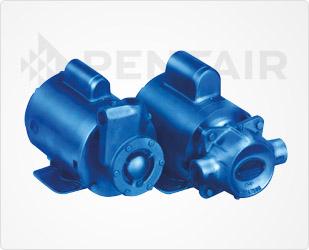
Jockey pumps play an essential role in maintaining pressure within fire protection systems. These pumps help compensate for minor pressure losses and reduce unnecessary operation of the main fire pump. Understanding the components that keep these systems functioning properly is important for facility managers, maintenance personnel, and property owners. Familiarity with jockey pump parts allows maintenance teams to identify potential issues, support preventive maintenance efforts, and ensure that fire protection systems remain reliable and ready to perform when needed during emergency situations.
Understanding the Purpose of a Jockey Pump
Maintaining System Pressure
A jockey pump is designed to maintain consistent pressure within a fire sprinkler or fire suppression system. Small pressure fluctuations can occur due to temperature changes, minor leaks, or routine system conditions. Rather than allowing the main fire pump to activate unnecessarily, the jockey pump responds to these minor changes and restores proper pressure levels. This function helps reduce wear on larger equipment and supports the overall reliability of the fire protection system.
Supporting Fire Pump Readiness
By maintaining system pressure, jockey pumps help ensure that the main fire pump remains available for actual emergency situations. Frequent cycling of the primary pump can increase mechanical wear and shorten equipment life. The jockey pump serves as a protective component within the system by handling minor pressure adjustments. Proper maintenance of jockey pump components is therefore essential to preserving the effectiveness and longevity of the entire fire protection infrastructure.
Key Jockey Pump Parts and Their Functions
Pump Motor
The motor is one of the most important components of a jockey pump system. It provides the power necessary to drive the pump and move water through the system. Electric motors are commonly used because they offer reliable and efficient operation. When the pressure switch detects a drop in system pressure, the motor activates and powers the pump. Proper motor performance is critical because any failure can prevent the jockey pump from maintaining system pressure effectively.
Pump Impeller
The impeller is the rotating component responsible for moving water through the pump. As the motor drives the impeller, centrifugal force is generated, increasing water pressure and directing flow through the system. The condition of the impeller directly affects pump performance and efficiency. Wear, corrosion, or physical damage can reduce water movement and compromise system operation. Regular inspections help identify impeller issues before they affect the ability of the pump to maintain pressure.
Pump Casing
The pump casing surrounds and protects internal components while directing water through the pump assembly. It is designed to withstand operating pressures and maintain efficient water flow patterns. The casing also helps convert the velocity generated by the impeller into useful pressure. Because it serves as a structural component, the casing must remain free from cracks, corrosion, and leaks. Maintaining casing integrity is important for ensuring reliable pump operation and preventing water loss.
Pressure Control Components
Pressure Switch
The pressure switch serves as the automatic control device that starts and stops the jockey pump based on system pressure levels. When pressure falls below a predetermined setting, the switch activates the pump. Once the desired pressure is restored, the switch signals the pump to stop operating. Accurate pressure switch performance is essential because improper settings or malfunctions can cause excessive cycling or failure to maintain adequate pressure within the fire protection system.
Pressure Gauge
Pressure gauges provide visual indications of system pressure and help maintenance personnel monitor operating conditions. These instruments allow technicians to verify that the jockey pump is maintaining pressure within the desired range. Gauges also support troubleshooting efforts by revealing pressure fluctuations or abnormal conditions. Routine inspection of pressure gauges helps ensure accurate readings and allows facility managers to identify developing issues before they affect overall system performance.
Pressure Relief Valve
Pressure relief valves protect the system from excessive pressure conditions that could damage equipment or piping. If pressure rises above a designated limit, the valve opens to release excess pressure and protect system components. This safety feature helps maintain stable operating conditions and reduces the risk of equipment damage. Proper inspection and maintenance of relief valves contribute to safe and reliable jockey pump operation throughout the life of the system.
Mechanical Components That Support Operation
Pump Shaft
The pump shaft transfers rotational energy from the motor to the impeller. This component must remain properly aligned and balanced to ensure smooth operation. Excessive vibration, wear, or misalignment can affect shaft performance and potentially damage other pump components. Regular inspections help identify signs of deterioration and allow corrective actions to be taken before more extensive repairs become necessary. Maintaining shaft integrity supports efficient and dependable pump operation.
Bearings
Bearings reduce friction between moving components and allow the pump shaft to rotate smoothly. These parts play an important role in maintaining efficiency and minimizing wear on internal components. Over time, bearings may deteriorate due to normal operating conditions, inadequate lubrication, or contamination. Worn bearings can create excessive noise, vibration, and performance issues. Routine maintenance and timely replacement help preserve equipment reliability and prevent more significant mechanical failures.
Mechanical Seals
Mechanical seals prevent water from leaking along the pump shaft while maintaining pressure within the system. These components help protect internal equipment and reduce water loss during operation. Seal wear is a common maintenance concern because seals are exposed to continuous movement and pressure changes. Damaged or worn seals may result in leaks that affect system efficiency and reliability. Regular inspections help detect seal problems early and support effective maintenance planning.
Electrical and Monitoring Components
Control Panel
The control panel manages pump operation and provides system monitoring capabilities. It houses electrical controls, indicators, and protective devices that support safe and efficient operation. Operators use the control panel to monitor system status, review alarms, and perform testing procedures. Proper functioning of the control panel is essential because it serves as the central point for managing jockey pump operation and responding to changing system conditions.
Alarm Devices
Alarm devices notify facility personnel when abnormal operating conditions occur within the jockey pump system. These alerts may indicate pressure issues, electrical faults, equipment failures, or other concerns requiring attention. Prompt response to alarm notifications helps prevent minor issues from developing into larger problems. Effective alarm systems contribute to improved maintenance practices and support the overall reliability of fire protection equipment.
Importance of Routine Inspection and Maintenance
Extending Equipment Life
Regular maintenance helps preserve the condition of jockey pump components and reduces the likelihood of unexpected failures. Inspections allow technicians to identify wear, corrosion, leaks, and performance concerns before they become serious issues. Preventive maintenance activities support longer equipment life and improve overall system reliability. Facilities that prioritize maintenance often experience fewer operational disruptions and lower long term repair costs.
Improving Fire Protection Reliability
Reliable jockey pump performance contributes directly to the effectiveness of the entire fire protection system. Components that function properly help maintain stable pressure levels and reduce unnecessary operation of the main fire pump. Routine inspections, testing, and timely component replacement strengthen system readiness and support emergency preparedness efforts. Consistent maintenance ensures that fire protection systems remain capable of performing as intended when critical situations arise.
Conclusion
Understanding the function of key jockey pump parts helps facility managers and maintenance personnel make informed decisions regarding inspections, repairs, and preventive maintenance activities. Components such as motors, impellers, pressure switches, bearings, seals, and control panels all contribute to dependable system operation. Proper care of these parts supports pressure stability, extends equipment life, and improves overall fire protection reliability. For professional guidance and dependable fire protection support, facilities can trust Steven Brown & Associates, Inc. to help maintain and optimize critical fire pump systems.
 Portuguese (Brazil)
 English
 Arabic
 French
 Spanish
 Portuguese
 Deutsch
 Turkish
 Dutch
 Italiano
 Russian
 Romaian
 Greek