


Kubota Mini Excavators Maintenance Tips for Longer Equipment Life
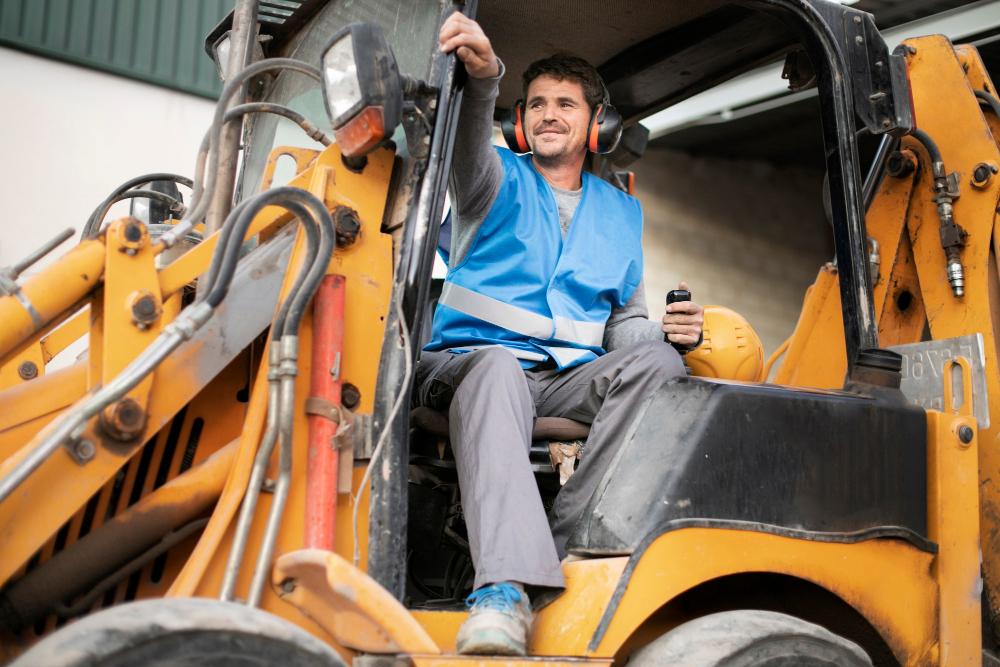
Proper equipment maintenance plays an essential role in improving productivity, reducing repair expenses, and extending the operational life of construction machinery used on demanding job sites every day. Contractors and equipment owners who establish consistent service routines often experience fewer breakdowns and better long term performance. After understanding these important benefits, Kubota mini excavators deserve careful maintenance practices that help maximize reliability, improve efficiency, and support dependable operation throughout years of regular use.
Why Regular Maintenance Is Essential
Preventing Unexpected Downtime
Routine maintenance helps equipment owners identify minor concerns before they develop into expensive mechanical failures. Regular inspections, fluid checks, and component evaluations reduce the likelihood of unexpected breakdowns that interrupt project schedules. Contractors who maintain consistent service routines often experience greater equipment availability and improved productivity throughout demanding construction projects. Preventive maintenance also reduces emergency repair costs while allowing businesses to plan maintenance activities more efficiently around project timelines.
Increasing Equipment Lifespan
Construction equipment represents a significant financial investment, making long term durability an important priority for every owner. Machines that receive regular maintenance generally experience less wear because moving components remain properly lubricated and adjusted. Consistent servicing helps preserve engine performance, hydraulic efficiency, and structural integrity while minimizing unnecessary stress on important systems. Proper care supports dependable performance throughout many years of operation while protecting the overall investment.
Perform Daily Equipment Inspections
Check for Visible Damage
Daily inspections should begin with a careful visual examination of the entire machine before operation. Operators should look for damaged hoses, loose fasteners, cracked components, fluid leaks, worn tracks, and signs of unusual wear. Identifying visible concerns before beginning work helps prevent larger mechanical problems while improving workplace safety. A few minutes spent inspecting equipment each day can significantly reduce repair expenses and unexpected downtime.
Monitor Fluid Levels
Checking engine oil, hydraulic fluid, coolant, and fuel levels should become part of every daily maintenance routine. Proper fluid levels allow critical systems to operate efficiently while preventing overheating and unnecessary component wear. Low fluid levels may indicate developing leaks that require immediate attention before equipment performance becomes affected. Maintaining correct fluid quantities contributes to dependable operation and supports long term equipment reliability.
Maintain the Hydraulic System
Inspect Hydraulic Hoses
Hydraulic hoses experience constant pressure during daily operation and should receive frequent inspection for cracks, abrasions, loose fittings, and signs of leakage. Damaged hoses reduce hydraulic efficiency while creating potential safety concerns on active job sites. Replacing worn hoses before complete failure helps maintain consistent machine performance and prevents more extensive hydraulic system damage.
Keep Hydraulic Fluid Clean
Clean hydraulic fluid plays an important role in protecting pumps, cylinders, valves, and other precision components. Contaminated fluid may introduce abrasive particles that accelerate wear throughout the hydraulic system. Regular fluid replacement according to recommended service intervals helps preserve hydraulic performance while extending component life. Clean operating systems contribute to smoother machine operation and improved overall productivity.
Care for the Engine Properly
Replace Engine Oil Regularly
Fresh engine oil provides essential lubrication that reduces friction between moving engine components. Following recommended oil change intervals helps maintain efficient engine operation while minimizing internal wear. Delayed oil replacement may result in sludge accumulation, reduced performance, and increased repair costs. Consistent oil maintenance supports reliable operation while extending engine service life.
Inspect Air Filters Frequently
Air filters protect engines by preventing dirt, dust, and debris from entering combustion chambers. Dirty or clogged filters restrict airflow, reducing engine efficiency and increasing fuel consumption. Operators should inspect filters regularly and replace them whenever necessary to maintain proper airflow. Clean filtration systems improve engine performance while reducing unnecessary mechanical strain during demanding operating conditions.
Track and Undercarriage Maintenance
Remove Dirt and Debris
Mud, rocks, clay, and construction debris frequently accumulate around tracks and undercarriage components. Cleaning these areas after each workday reduces excessive wear while preventing unnecessary stress on rollers, sprockets, and track assemblies. Removing accumulated material also improves inspection visibility, allowing operators to identify potential maintenance concerns more quickly.
Check Track Tension
Proper track tension contributes to smooth operation, improved stability, and reduced undercarriage wear. Tracks that are too loose may slip or derail, while excessive tension places unnecessary strain on components. Regular inspection and adjustment help maintain optimal performance while extending the lifespan of the complete undercarriage system. Correct tension also improves machine maneuverability across different ground conditions.
Keep the Cooling System Efficient
Clean the Radiator
Dust, grass, and construction debris can restrict airflow through the radiator, reducing cooling efficiency during operation. Cleaning the radiator regularly allows proper heat dissipation while helping prevent engine overheating. Efficient cooling systems support dependable equipment performance during extended work periods, particularly in demanding environmental conditions or warmer seasons.
Monitor Coolant Condition
Coolant should remain clean and maintained at the proper level to protect the engine from excessive temperatures. Operators should inspect coolant quality regularly and replace it according to recommended maintenance schedules. Maintaining effective cooling performance reduces engine stress while contributing to long term reliability and lower maintenance expenses.
Lubricate Moving Components
Follow Lubrication Schedules
Pins, bushings, pivot points, and other moving components require regular lubrication to minimize friction and wear. Following established lubrication schedules helps maintain smooth equipment operation while reducing premature component failure. Proper lubrication also improves attachment performance and overall machine responsiveness during daily construction activities.
Use Appropriate Lubricants
Selecting lubricants designed for heavy equipment applications helps protect components operating under demanding conditions. Appropriate products maintain consistent performance across varying temperatures while reducing friction and corrosion. Using suitable lubricants according to maintenance recommendations contributes to improved durability and dependable machine operation throughout the equipment lifecycle.
Operate Equipment Responsibly
Avoid Excessive Overloading
Operating beyond recommended lifting or digging capacities places unnecessary stress on engines, hydraulic systems, and structural components. Consistent overloading accelerates wear while increasing the likelihood of mechanical failures. Operators should understand equipment limitations and perform tasks within recommended operating capacities to preserve long term reliability.
Use Smooth Operating Techniques
Gentle acceleration, controlled movements, and careful attachment operation reduce unnecessary stress throughout the machine. Aggressive operation often increases wear on hydraulic systems, tracks, and structural components. Skilled operating practices improve equipment longevity while contributing to safer and more efficient job site performance.
Store Equipment Correctly
Protect Equipment During Idle Periods
Machines that remain unused for extended periods should be stored in clean, dry environments whenever possible. Proper storage protects components from moisture, corrosion, and environmental damage while preserving overall equipment condition. Covering exposed areas and following recommended storage procedures further supports long term reliability.
Prepare Equipment Before Storage
Before placing equipment into long term storage, operators should clean the machine thoroughly, inspect critical systems, refill necessary fluids, and address any maintenance concerns. Preparing equipment before storage helps prevent deterioration while ensuring it remains ready for future operation. Well planned storage practices contribute significantly to extending equipment lifespan.
Maintain Accurate Service Records
Document Every Maintenance Task
Detailed maintenance records help owners track completed inspections, fluid changes, repairs, lubrication schedules, and replacement components. Organized documentation supports timely preventive maintenance while improving equipment management throughout ownership. Accurate records also provide valuable information during resale by demonstrating responsible maintenance history.
Plan Future Maintenance
Maintenance records make it easier to schedule future servicing based on operating hours and previous inspections. Planned maintenance reduces the risk of overlooked service intervals while helping contractors budget for routine maintenance expenses. Organized scheduling contributes to consistent equipment reliability and improved long term operational performance.
Conclusion
Extending equipment lifespan requires consistent attention to inspections, lubrication, hydraulic care, engine maintenance, cooling system performance, undercarriage cleaning, and responsible operating practices. Contractors who establish preventive maintenance routines often experience greater productivity, reduced downtime, lower repair expenses, and improved reliability throughout the ownership period. Proper equipment care remains one of the most effective ways to protect a valuable investment while supporting dependable daily performance. For professional equipment guidance, maintenance support, and dependable service, customers can confidently rely on Eagle Power and Equipment.

 English
 Arabic
 French
 Spanish
 Portuguese
 Deutsch
 Dutch
 Italiano
 Russian
 Romaian
 Portuguese (Brazil)
 Greek