


Stingrays: A Complete Guide to Their Habitat, Behavior, Care, and Conservation
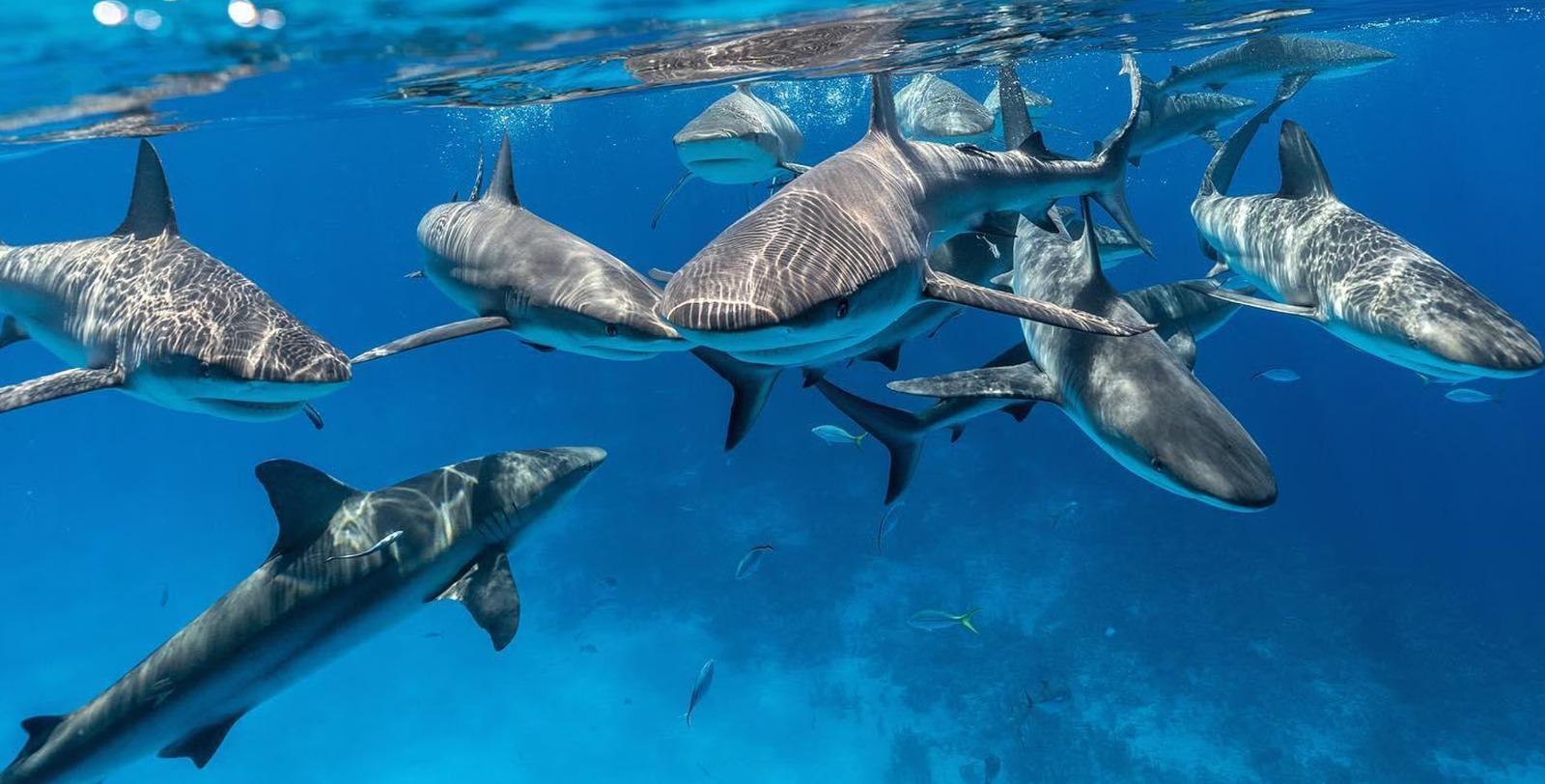
Stingrays are among the most fascinating creatures found in marine and freshwater environments. Known for their graceful movements, flat bodies, and distinctive tails, they have captivated marine enthusiasts, aquarium hobbyists, and researchers for decades. Although they are often misunderstood because of their defensive stingers, stingrays are generally peaceful animals that play an important role in maintaining healthy aquatic ecosystems.
Whether you are interested in learning about these remarkable fish or considering keeping certain species in a large aquarium, understanding stingrays is essential. Their natural history, habitat requirements, feeding habits, and conservation status all contribute to responsible appreciation and care. This comprehensive guide explores everything you need to know about these extraordinary aquatic animals.
What Are Stingrays?
Stingrays belong to a group of cartilaginous fish closely related to sharks. Unlike bony fish, their skeletons are made primarily of cartilage, making them lightweight and flexible. Their flattened bodies and wing-like pectoral fins allow them to glide effortlessly across the ocean floor or through freshwater river systems.
Most species possess a barbed spine on the tail that serves as a defense mechanism against predators. Contrary to popular belief, stingrays are not naturally aggressive and typically use their stinger only when threatened or accidentally stepped on.
Their unique body structure allows them to bury themselves beneath sand while remaining alert for passing prey.
Natural Habitats Around the World
One of the reasons stingrays are so successful is their ability to adapt to a wide range of aquatic environments.
Marine species inhabit tropical coral reefs, coastal lagoons, sandy seabeds, and open ocean shallows. These environments provide abundant food while offering protection from larger predators.
Freshwater stingrays, found primarily in South American river systems, thrive in warm rivers with sandy or muddy bottoms. These species have become increasingly popular among experienced aquarium enthusiasts because of their striking patterns and fascinating behavior.
Different habitats influence each species' diet, growth rate, and overall lifestyle, making environmental understanding essential for proper care.
Physical Characteristics That Make Them Unique
The appearance of stingrays immediately sets them apart from most other fish.
Their broad, flattened bodies resemble wings, allowing smooth and efficient movement through water. Eyes positioned on the upper surface provide excellent visibility while spiracles behind the eyes allow breathing even when resting beneath the substrate.
Their mouths and gill openings are located underneath the body, enabling them to feed on organisms hidden within the sand without exposing themselves to predators.
Coloration varies significantly between species, ranging from plain brown or gray to elaborate patterns of black, white, blue, or golden spots that provide natural camouflage.
Feeding Habits and Hunting Behavior
Stingrays are opportunistic feeders that consume a wide variety of prey depending on habitat and species.
Most feed on crustaceans, worms, mollusks, and small fish found along the bottom. Specialized sensory organs called ampullae of Lorenzini detect the tiny electrical signals produced by hidden prey, allowing stingrays to locate food buried beneath the sand.
Powerful jaws equipped with crushing plates enable them to break apart shells and consume hard-bodied invertebrates with remarkable efficiency.
In captivity, carefully balanced diets consisting of shrimp, squid, mussels, clams, and other marine foods help maintain proper nutrition and long-term health.
Stingrays in Home Aquariums
Some freshwater and marine species can be successfully maintained in very large aquariums by experienced hobbyists. However, keeping stingrays requires extensive preparation, specialized equipment, and a significant long-term commitment.
Large aquariums with generous floor space are essential because these animals spend much of their time resting or swimming along the substrate. Fine sand is generally recommended to prevent injury to their delicate undersides.
Excellent filtration, strong biological stability, and consistent water quality are equally important. Because stingrays produce considerable waste, powerful filtration systems help maintain healthy conditions.
Prospective owners should thoroughly research species-specific requirements before considering aquarium ownership.
Water Quality and Environmental Care
Stable water conditions directly influence the health of stingrays.
Temperature, pH, dissolved oxygen, and water chemistry should remain consistent throughout the year. Sudden environmental changes often cause stress that weakens the immune system and increases susceptibility to disease.
Routine water testing and scheduled maintenance are essential for maintaining a healthy environment.
Aquarium decorations should be arranged carefully to provide open swimming areas while eliminating sharp edges that could damage sensitive skin.
A clean and stable habitat supports natural behavior while reducing unnecessary stress.
Common Misconceptions About Stingrays
Popular media has contributed to several misconceptions about stingrays.
Many people believe these animals are aggressive because of their venomous spine. In reality, stingrays generally avoid confrontation and prefer to swim away from potential threats whenever possible.
Their tail spine functions purely as a defensive tool rather than a hunting weapon. Most injuries involving humans occur when stingrays are accidentally stepped on in shallow coastal waters.
Simple precautions, such as shuffling your feet while walking through shallow sandy areas, help alert buried stingrays and reduce the likelihood of accidental encounters.
Understanding their natural behavior encourages greater appreciation rather than unnecessary fear.
Conservation and Environmental Responsibility
Like many marine animals, numerous stingray populations face growing environmental pressures.
Habitat destruction, pollution, overfishing, and climate change continue to affect aquatic ecosystems around the world. Coastal development and declining water quality further threaten important breeding and feeding grounds.
Marine protected areas, sustainable fishing practices, habitat restoration, and public education all contribute to conservation efforts.
Aquarium hobbyists can also support conservation by purchasing captive-bred animals when available and supporting retailers that prioritize ethical sourcing practices.
Responsible stewardship helps ensure future generations can continue to appreciate these remarkable fish.
Tips for Long-Term Success
Whether observing stingrays in public aquariums or caring for them in specialized home systems, patience and education remain essential.
Learning about species-specific needs, maintaining consistent water quality, providing appropriate nutrition, and observing behavior regularly all contribute to long-term health.
Experienced aquarists recognize that successful care involves continuous learning rather than relying solely on initial setup.
By respecting their natural behaviors and environmental requirements, enthusiasts can provide conditions that closely resemble those found in the wild.
Conclusion
Stingrays are extraordinary aquatic animals that combine elegance, intelligence, and ecological importance. Their graceful movement, specialized anatomy, and fascinating behavior make them one of the most captivating species found in both marine and freshwater environments. Although they require specialized care in captivity, responsible owners who invest in proper preparation can successfully maintain suitable species in well-designed aquariums.
Beyond the aquarium hobby, stingrays remind us of the importance of protecting aquatic ecosystems through sustainable practices and conservation efforts. By understanding their biology, respecting their natural behavior, and supporting responsible environmental stewardship, we can help ensure these remarkable fish continue to thrive in oceans and rivers around the world for generations to come.
 Dutch
 English
 Arabic
 French
 Spanish
 Portuguese
 Deutsch
 Turkish
 Italiano
 Russian
 Romaian
 Portuguese (Brazil)
 Greek