


How Air Quality and Mold Inspection Improve Healthier Homes
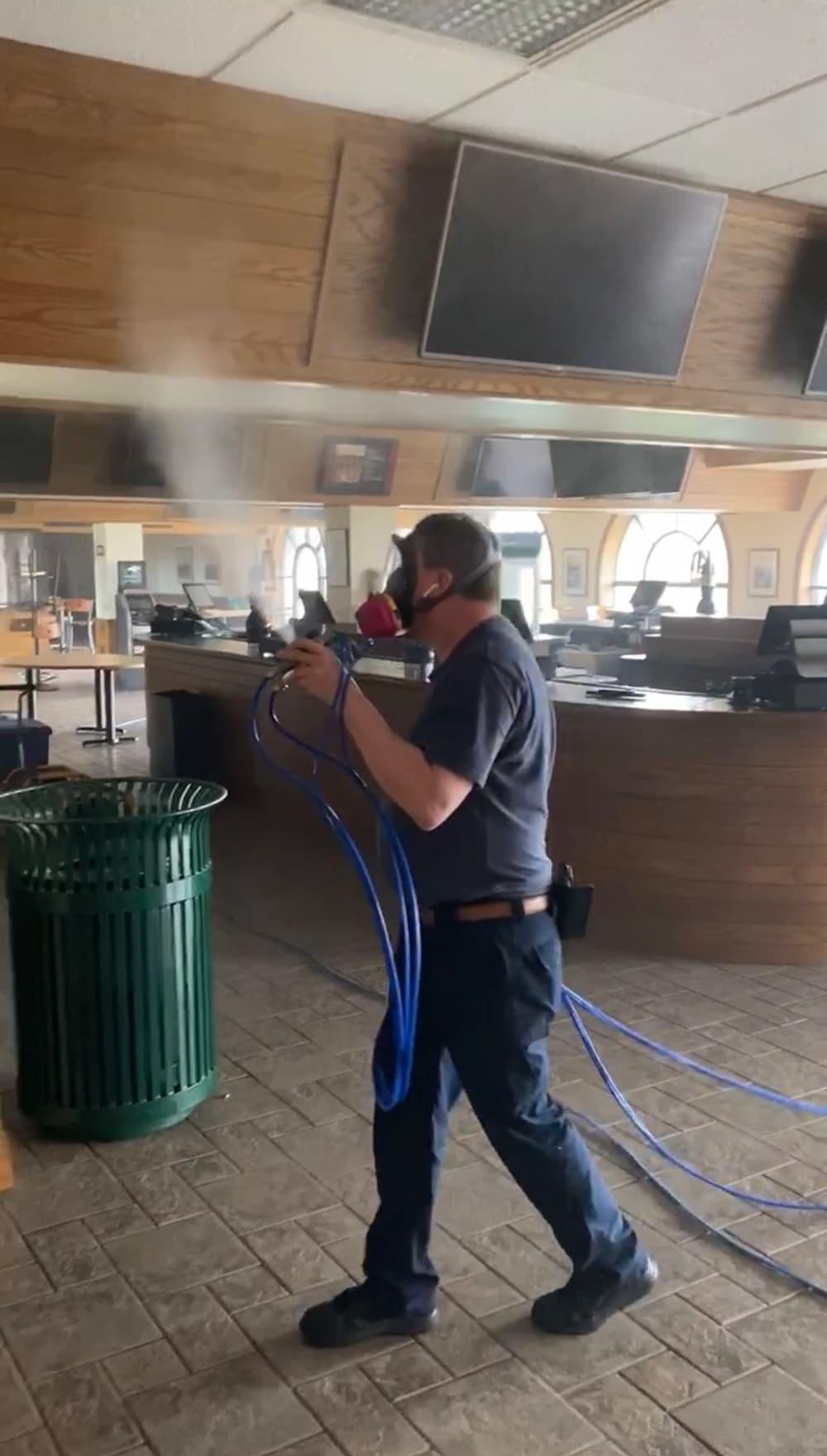
A healthy home depends on many factors that often remain hidden behind walls, beneath flooring, and inside ventilation systems. Moisture, airborne contaminants, and invisible mold spores can quietly reduce indoor comfort while affecting long term property conditions. Professional air quality and mold inspection services help identify these hidden concerns before they become serious issues. By evaluating indoor environments carefully, property owners gain valuable information that supports healthier living spaces, protects structural materials, and creates greater confidence in the safety and cleanliness of their homes.
Understanding the Connection Between Indoor Air Quality and Mold
Why Indoor Air Quality Matters
Indoor air quality has a direct influence on the comfort and well being of everyone living inside a home. Since people spend a significant amount of time indoors, the air they breathe should remain as clean as possible. Dust, allergens, excessive humidity, volatile particles, and mold spores can gradually accumulate without obvious warning signs. Poor ventilation often allows these contaminants to remain trapped, reducing overall air freshness and creating an environment where unwanted biological growth becomes more likely.
Maintaining clean indoor air requires more than simply changing air filters or opening windows. Every home functions as a connected system where airflow, humidity, insulation, and moisture interact continuously. When one part of this system becomes unbalanced, contaminants can spread from one area to another. Regular evaluations provide valuable insight into these hidden conditions and help homeowners understand how environmental factors influence both property health and everyday comfort.
How Mold Affects Indoor Environments
Mold naturally exists in outdoor environments, but indoor growth develops when moisture remains present for extended periods. Leaking pipes, roof damage, condensation, flooding, or poor ventilation often provide the conditions mold requires to grow. Once established, colonies may spread across drywall, wood, insulation, carpets, and other porous materials while releasing microscopic spores into the surrounding air.
These airborne spores can travel throughout a property using natural airflow and heating or cooling systems. Hidden mold growth behind walls or inside crawl spaces may continue expanding long before visible staining appears. Identifying these hidden areas early allows property owners to address moisture sources while limiting further contamination and preserving healthier indoor environments.
The Importance of Professional Inspection Services
Detecting Hidden Moisture Problems
Many moisture issues remain unnoticed because they develop behind finished surfaces or inside structural cavities. Professional inspections focus on locating these concealed conditions before extensive damage occurs. Moisture meters, thermal imaging equipment, and other advanced diagnostic tools allow inspectors to evaluate areas that cannot be examined through visual observation alone.
Locating moisture quickly supports more effective decision making regarding repairs and environmental improvements. Instead of addressing only visible mold growth, inspectors identify the underlying conditions allowing contamination to continue. Correcting these moisture sources helps reduce future growth while improving overall indoor environmental quality and protecting building materials from unnecessary deterioration.
Evaluating Airborne Contaminants
Professional inspections frequently include detailed assessments of airborne particles present throughout the home. Air sampling may identify elevated mold spore levels while providing valuable comparisons between indoor and outdoor environments. These findings help determine whether hidden contamination may exist even when visible mold cannot be immediately located.
Air quality evaluations also consider factors such as ventilation performance, humidity levels, dust accumulation, and possible allergen sources. Examining the home from a comprehensive environmental perspective provides a more complete understanding of indoor conditions. This approach allows property owners to make informed decisions based on measurable information rather than assumptions.
Common Warning Signs That Indicate Inspection Is Needed
Visible Changes Around the Home
Several visible indicators suggest that professional evaluation may be beneficial. Water stains on ceilings, bubbling paint, warped flooring, peeling wallpaper, and recurring condensation often signal underlying moisture problems. Dark spots appearing around windows, bathrooms, basements, or laundry areas may indicate mold growth developing beneath finished surfaces.
Although these signs appear relatively minor at first, they often represent larger hidden issues requiring careful investigation. Delaying professional assessment may allow moisture to continue spreading into additional structural components. Early identification supports timely corrective action while helping reduce restoration costs and preserving indoor environmental quality.
Unusual Odors and Indoor Conditions
Persistent musty odors frequently indicate hidden moisture or concealed mold growth somewhere within the property. These odors often remain noticeable even after regular cleaning because their source exists inside walls, crawl spaces, attics, or ventilation systems. Unexplained humidity, frequent condensation on windows, and damp indoor conditions also deserve professional attention.
Changes in indoor comfort sometimes occur gradually, making them difficult for occupants to recognize immediately. Rooms may begin feeling unusually humid, stale, or difficult to ventilate despite normal heating and cooling operation. Comprehensive inspections help determine whether environmental factors contribute to these changing indoor conditions and identify practical solutions for improvement.
Advanced Methods Used During Modern Inspections
Specialized Inspection Technology
Modern inspection techniques allow professionals to gather detailed information without unnecessary disruption to the property. Thermal imaging cameras identify temperature differences that may indicate hidden moisture behind walls or ceilings. Moisture meters measure water content inside building materials while helping inspectors confirm areas requiring additional evaluation.
Advanced diagnostic technology improves inspection accuracy by identifying concerns invisible during standard visual examinations. These tools support efficient investigations while reducing unnecessary demolition. Property owners receive more reliable information regarding existing conditions, allowing repairs to focus specifically on affected areas instead of relying on guesswork or incomplete assessments.
Comprehensive Whole Home Evaluation
Effective inspections examine the property as an interconnected environmental system rather than focusing only on isolated mold growth. Crawl spaces, attics, ventilation systems, basements, exterior drainage, insulation, and plumbing components all influence indoor environmental quality. Evaluating each area provides a broader understanding of how moisture travels throughout the structure.
Whole home assessments often reveal contributing factors that may otherwise remain overlooked. Airflow patterns, humidity distribution, foundation conditions, and ventilation performance work together to influence mold development. Addressing these environmental relationships supports longer lasting improvements while helping homeowners maintain healthier indoor spaces over time.
Long Term Benefits of Early Inspection and Prevention
Protecting Property Value
Routine inspections contribute to long term property preservation by identifying concerns before significant structural damage develops. Moisture left untreated can weaken wood framing, drywall, insulation, flooring, and other building materials over time. Early intervention minimizes unnecessary repairs while supporting the continued strength and stability of the home.
A well maintained property also retains greater appeal for future buyers. Documentation demonstrating proactive environmental care may provide additional confidence during real estate transactions. Investing in preventive inspections helps homeowners safeguard both the physical condition and long term value of their property.
Supporting Healthier Indoor Living
Cleaner indoor environments contribute to improved everyday comfort for families spending substantial time inside their homes. Reducing excessive moisture, improving ventilation, and identifying contamination sources all support healthier indoor conditions. Although every individual responds differently to environmental factors, maintaining clean indoor air remains an important goal for responsible property ownership.
Preventive inspections encourage ongoing awareness of changing environmental conditions throughout the year. Seasonal humidity, heavy rainfall, plumbing leaks, and HVAC performance all influence indoor air quality. Regular evaluations help homeowners respond proactively rather than waiting until visible mold or noticeable damage appears.
Choosing the Right Inspection Approach
Selecting Qualified Professionals
Choosing experienced inspection professionals helps ensure accurate findings and practical recommendations. Qualified inspectors follow systematic evaluation procedures while using appropriate diagnostic equipment to examine both visible and hidden areas. Comprehensive reporting allows homeowners to understand existing conditions clearly and prioritize improvements based on factual observations rather than assumptions.
Professional expertise also supports better communication throughout the inspection process. Detailed explanations regarding moisture sources, ventilation concerns, contamination patterns, and recommended corrective actions provide valuable guidance. Homeowners benefit from understanding not only what problems exist but also why those conditions developed within the property.
Building a Long Term Maintenance Plan
An inspection should serve as the beginning of an ongoing home maintenance strategy rather than a single isolated event. Monitoring humidity levels, maintaining roofing systems, inspecting plumbing connections, cleaning gutters, servicing heating and cooling equipment, and improving ventilation all contribute to healthier indoor environments over time.
Consistent maintenance reduces opportunities for moisture accumulation while helping prevent recurring mold concerns. Combining regular inspections with proactive property care creates a stronger foundation for long lasting indoor environmental quality. This comprehensive approach supports healthier living conditions while protecting the home from unnecessary moisture related challenges in the future.
Conclusion
Creating a healthier home requires attention to the environmental conditions that cannot always be seen during everyday life. Professional inspections provide valuable information about moisture levels, hidden mold growth, ventilation performance, and airborne contaminants, allowing homeowners to address concerns before they become larger problems. By investing in regular evaluations and preventive maintenance, property owners can improve indoor comfort, preserve structural integrity, and support cleaner living environments for years to come. For trusted guidance and professional solutions focused on healthier indoor spaces, Pure Air Mold Remediation remains committed to helping homeowners achieve lasting peace of mind.
 Spanish
 English
 Arabic
 French
 Portuguese
 Deutsch
 Turkish
 Dutch
 Italiano
 Russian
 Romaian
 Portuguese (Brazil)
 Greek