


Compact Track Loaders Buying Guide for Contractors
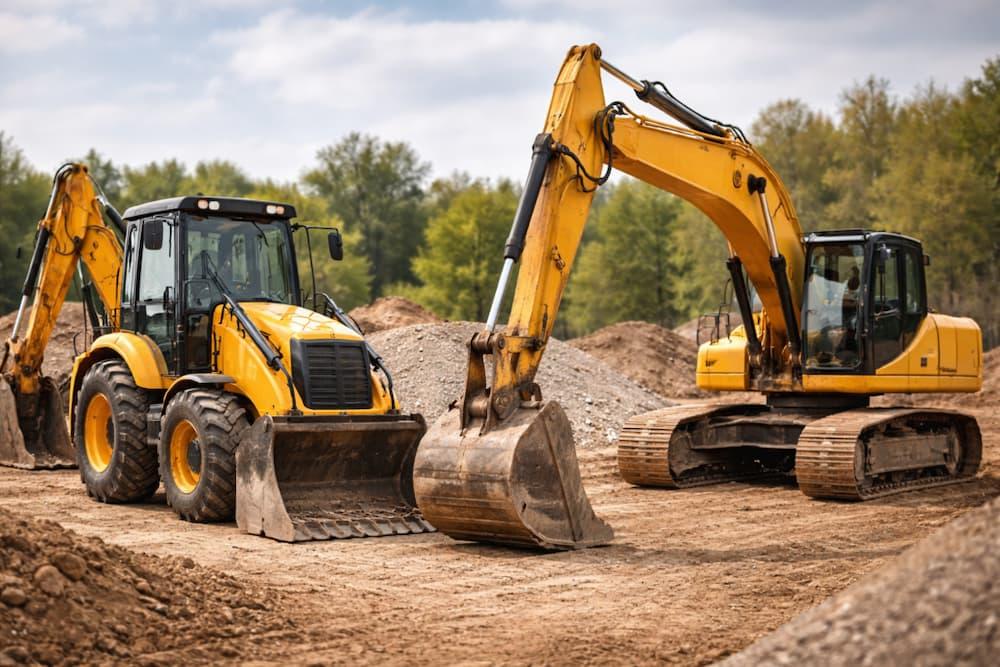
Selecting the right equipment is one of the most important decisions for any contractor aiming to complete projects efficiently and stay within budget. Every construction site presents unique challenges, making equipment selection a critical factor in overall productivity. Contractors often evaluate machine performance, operating costs, durability, and versatility before making an investment. After understanding these priorities and comparing available options, many professionals recognize that compact track loaders provide an excellent balance of power, maneuverability, and efficiency for a wide variety of demanding job sites.
Understanding Compact Track Loaders
What Makes These Machines Different
Compact track loaders are versatile construction machines designed to handle demanding tasks across different industries. Unlike wheeled equipment, these machines operate on durable rubber tracks that provide superior traction and stability. This design allows operators to work effectively on muddy, sandy, snowy, or uneven surfaces where traditional wheeled equipment may struggle. Their compact size enables access to confined workspaces while still delivering the lifting capacity and hydraulic performance required for heavy duty applications across construction, landscaping, agriculture, and property development projects.
Common Applications on Job Sites
Contractors rely on these machines because they support a broad range of job site activities without requiring multiple specialized machines. They perform excavation, grading, trench preparation, debris removal, material transportation, and site cleanup with impressive efficiency. Their compatibility with numerous attachments further expands their usefulness, allowing a single machine to complete multiple tasks during different project phases. This flexibility helps contractors reduce equipment ownership costs while increasing operational productivity throughout the duration of construction projects.
Benefits of Choosing Compact Track Loaders
Superior Traction and Stability
One of the biggest advantages of these machines is their exceptional traction across challenging terrain. The rubber track system distributes machine weight evenly over a larger surface area, minimizing ground pressure while maintaining excellent stability. Contractors working on soft soil, wet conditions, or uneven landscapes benefit from improved mobility without causing excessive ground disturbance. Better traction also increases operator confidence when transporting heavy materials or navigating difficult work environments where stability directly influences safety and productivity.
Improved Job Site Productivity
Efficient equipment contributes significantly to meeting project deadlines and maintaining profitability. These machines allow operators to perform multiple functions using one power unit equipped with different attachments. Quick attachment changes reduce downtime while expanding operational capabilities throughout the workday. Instead of transporting several specialized machines to every location, contractors can accomplish excavation, grading, lifting, and cleanup using a single versatile piece of equipment, simplifying logistics while maximizing overall productivity.
Reduced Surface Damage
Many construction and landscaping projects require equipment capable of protecting finished surfaces. The rubber tracks create lower ground pressure compared to wheeled alternatives, reducing rutting and minimizing damage to lawns, finished landscapes, and delicate soil conditions. Contractors completing residential developments, municipal improvements, or commercial landscaping projects appreciate this advantage because it reduces restoration work after equipment operations conclude. Preserving surface quality ultimately improves customer satisfaction while lowering project completion costs.
Important Features to Evaluate Before Buying
Engine Performance
Engine performance determines how effectively a machine handles demanding workloads throughout extended operating hours. Contractors should evaluate horsepower, torque output, fuel efficiency, and overall engine reliability before making a purchasing decision. Higher horsepower supports heavier lifting and demanding hydraulic attachments, while fuel efficient engines reduce long term operating expenses. Selecting appropriate engine performance ensures the equipment remains productive without excessive fuel consumption or unnecessary maintenance complications during years of service.
Hydraulic System Capacity
The hydraulic system directly affects attachment performance and machine versatility. Contractors planning to use specialized attachments such as trenchers, augers, grapples, or forestry tools should carefully review hydraulic flow specifications. Machines with higher hydraulic capacity can power demanding attachments more efficiently while maintaining consistent performance. Evaluating hydraulic capabilities before purchase helps ensure compatibility with current operational requirements as well as potential future equipment needs that may arise as businesses expand.
Rated Operating Capacity
Rated operating capacity refers to the maximum load the machine can safely lift while maintaining stability. Contractors should match lifting capacity with the materials and tasks regularly performed on their job sites. Purchasing equipment with insufficient capacity may reduce efficiency, while selecting excessive capacity can increase acquisition costs unnecessarily. Careful evaluation of typical lifting requirements allows contractors to invest in equipment that balances capability, safety, and financial value throughout daily operations.
Selecting the Right Size
Matching Equipment to Project Requirements
Choosing the correct machine size depends largely on the types of projects completed most frequently. Smaller machines provide excellent maneuverability within confined urban environments, indoor renovations, and residential construction. Larger models deliver greater lifting capacity and enhanced hydraulic performance for commercial construction and infrastructure development. Understanding project demands helps contractors avoid purchasing equipment that either limits productivity or exceeds practical operational requirements, ensuring better return on investment over time.
Transportation Considerations
Transporting equipment between job sites influences operational efficiency and overall project scheduling. Contractors should evaluate trailer capacity, towing vehicle limitations, transportation regulations, and loading procedures before selecting machine size. Equipment that fits existing transportation resources eliminates the need for additional investments while simplifying logistics. Efficient transportation also reduces fuel costs, minimizes downtime between projects, and supports smoother scheduling across multiple construction locations during busy operating seasons.
Attachment Compatibility
Expanding Equipment Versatility
One major reason contractors invest in these machines is their ability to operate numerous attachments. Buckets, forks, trenchers, augers, brush cutters, grapples, sweepers, and grading tools significantly expand operational capabilities. Instead of purchasing dedicated machines for every application, contractors can switch attachments quickly to perform different tasks. This flexibility supports better equipment utilization while improving project efficiency and reducing overall ownership expenses across diverse construction and maintenance operations.
Future Expansion Opportunities
Business needs often evolve as contractors pursue larger or more specialized projects. Purchasing equipment with compatibility for additional attachments provides greater long term flexibility without requiring replacement machinery. Evaluating available attachment options before purchasing allows contractors to plan future service expansions while protecting their initial investment. Machines capable of supporting diverse operational requirements remain valuable assets as project complexity and customer expectations continue increasing over time.
Operator Comfort and Safety
Comfortable Cab Design
Operator comfort directly affects productivity during long working hours. Modern machines often feature spacious cabins, adjustable seating, ergonomic controls, excellent visibility, climate control systems, and reduced vibration levels. Comfortable operators experience less fatigue, maintain greater concentration, and complete tasks more efficiently throughout the workday. Investing in equipment with thoughtful operator focused design contributes to improved job performance while supporting workforce satisfaction and long term operational success.
Essential Safety Features
Safety remains a priority on every construction site. Contractors should evaluate machines equipped with rollover protection, falling object protection, backup cameras, improved lighting, secure entry systems, emergency shutoff controls, and advanced visibility features. These safety enhancements help reduce workplace risks while supporting regulatory compliance. Choosing equipment designed with comprehensive safety features protects operators, nearby workers, and valuable project assets throughout daily construction activities.
Maintenance and Long Term Ownership Costs
Routine Maintenance Requirements
Regular maintenance preserves machine reliability while extending equipment lifespan. Contractors should examine service accessibility, recommended maintenance intervals, filter replacement procedures, lubrication requirements, and component durability before purchasing equipment. Machines designed for convenient maintenance reduce labor time while encouraging consistent servicing practices. Preventive maintenance minimizes unexpected breakdowns and supports dependable performance throughout demanding construction schedules, ultimately reducing long term ownership expenses.
Parts Availability and Service Support
Reliable access to replacement components plays a major role in minimizing equipment downtime. Contractors benefit from selecting equipment supported by dependable service networks and readily available replacement parts. Prompt repairs help maintain project schedules while reducing financial losses associated with extended equipment inactivity. Evaluating service availability before purchase ensures that maintenance and repairs can be completed efficiently whenever unexpected mechanical issues occur during normal operations.
Budget Planning Before Purchase
Evaluating Total Cost of Ownership
Purchase price represents only one portion of equipment ownership expenses. Contractors should also consider maintenance costs, fuel consumption, insurance, transportation, storage, operator training, and expected resale value. Understanding the complete financial picture helps businesses make informed purchasing decisions rather than focusing solely on initial acquisition costs. Comprehensive financial planning supports stronger investment returns while reducing unexpected operational expenses throughout the equipment lifecycle.
Financing Considerations
Many contractors choose financing options that preserve working capital while expanding equipment fleets. Monthly payment structures, interest rates, repayment flexibility, and long term affordability should all be carefully evaluated before finalizing a purchase. Selecting financing arrangements aligned with business cash flow allows contractors to maintain financial stability while acquiring equipment needed for future growth. Thoughtful financial planning strengthens operational flexibility during changing market conditions.
Tips for Making the Best Buying Decision
Compare Multiple Models
Carefully comparing several equipment models helps contractors identify the machine best suited to operational requirements. Evaluating specifications, lifting capacity, hydraulic performance, maintenance needs, operator comfort, and long term ownership costs provides a balanced understanding of available options. Thorough research reduces purchasing uncertainty while ensuring the selected machine delivers reliable performance across current and future construction projects.
Consider Future Business Growth
Equipment purchases should support long term business objectives rather than only immediate project needs. Contractors expecting increased workloads, expanded service offerings, or larger contracts should consider machines capable of accommodating future operational growth. Investing in adaptable equipment helps avoid premature replacement while supporting continued productivity as business demands evolve over time.
Conclusion
Purchasing the right construction equipment requires thoughtful evaluation of performance, durability, maintenance requirements, safety features, attachment compatibility, and long term ownership costs. Contractors who carefully assess these factors position themselves for greater efficiency, improved profitability, and dependable project execution across diverse work environments. Working with experienced equipment professionals such as Eagle Power and Equipment can also provide valuable guidance during the selection process, helping contractors identify solutions that match their operational goals. Making informed purchasing decisions ultimately leads to stronger productivity, better equipment utilization, and lasting value throughout every stage of business growth.
 French
 English
 Arabic
 Spanish
 Portuguese
 Deutsch
 Turkish
 Dutch
 Italiano
 Russian
 Romaian
 Portuguese (Brazil)
 Greek