


Saudi Arabia Quick Service Restaurant Market Size, Growth Drivers, and Forecast (2026–2034)
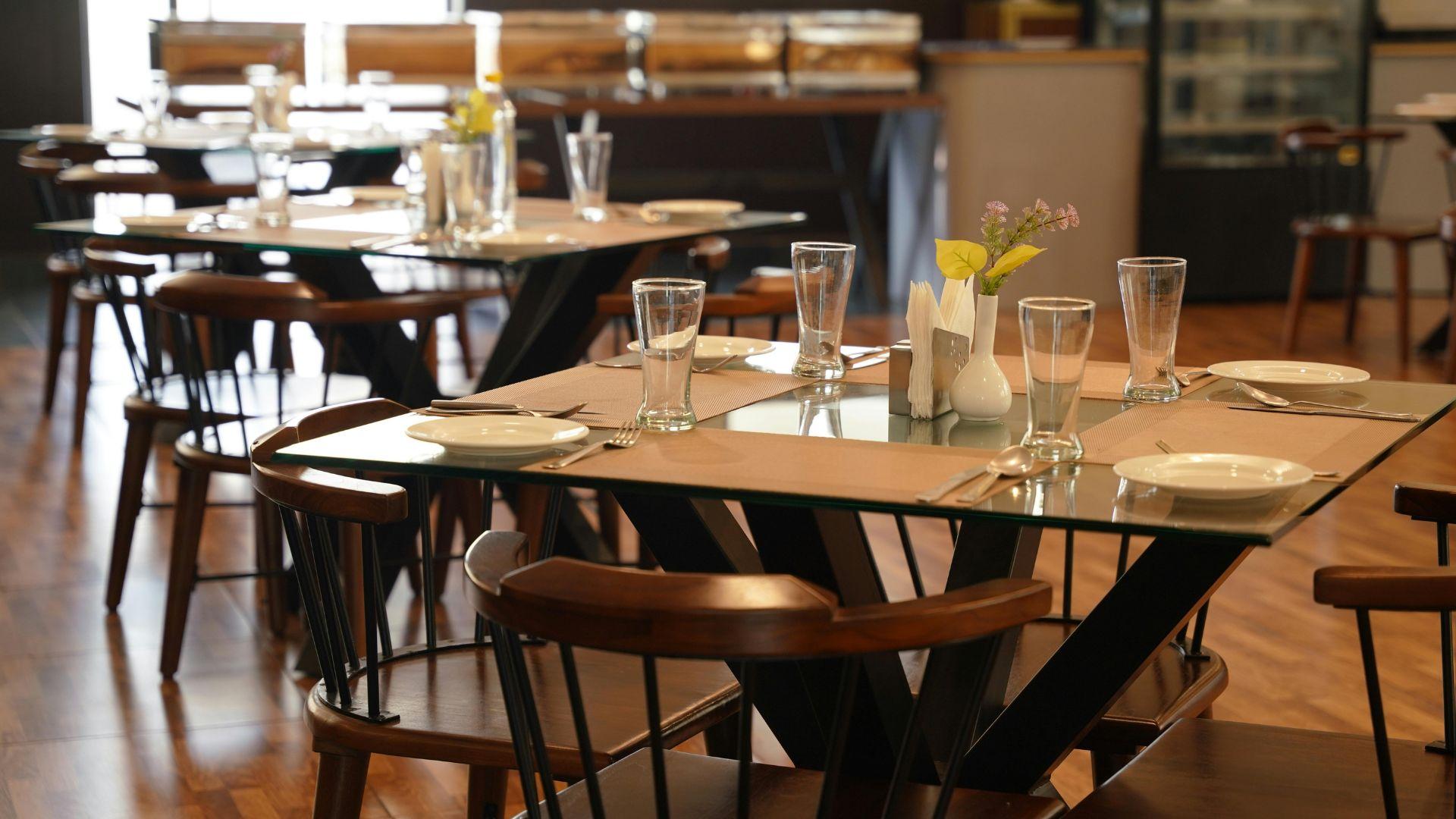
Saudi Arabia's dining landscape is undergoing a dramatic transformation. Across the Kingdom’s sprawling metropolises—from the towering commercial hubs of Riyadh and the bustling coastal strips of Jeddah to the industrial corridors of the Eastern Province—dining out has evolved from a weekend leisure activity into an essential component of modern urban life.
Driven by rapid economic diversification, an expanding young population, and digital innovation, the Saudi Arabia Quick Service Restaurant (QSR) Market is entering a period of robust growth. The market is projected to expand from US$ 9.55 billion in 2025 to US$ 17.24 billion by 2034, reflecting a Compound Annual Growth Rate (CAGR) of 6.78% between 2026 and 2034.
This growth story is powered by more than just changing appetites; it reflects broader structural shifts across the Kingdom. As Saudi Arabia advances its Vision 2030 objectives, urban development, lifestyle changes, and the integration of digital technology are combining to redefine how, where, and what citizens and residents eat.
QSR Industry Overview: Modernizing the Saudi Table
The Quick Service Restaurant segment in Saudi Arabia encompasses a wide spectrum of dining formats characterized by fast preparation, standardized menus, affordable price points, and high operational efficiency. The market features a balanced mix of global mega-franchises, regional giants, and home-grown Saudi brands, offering everything from traditional Middle Eastern items (shawarma, falafel, broasted chicken) to Western fast food, Asian concepts, specialty bakeries, and artisanal ice cream formats.
                  Saudi Arabia QSR Industry Ecosystem
                                   │
      ┌────────────────────────────┼────────────────────────────┐
      ▼                            ▼                            ▼
Physical Footprint          Digital Ordering           Supply & Logistics
  • Standalone Drive-Thrus    • Third-Party Apps         • Centralized Hubs
  • Retail Mall Courts        • Brand Native Apps        • Cold-Chain Storage
  • Cloud Kitchens            • Self-Service Kiosks      • Cloud-POS Tech
Several primary catalysts are accelerating this industry transformation:
-
Technology & Automation: Self-service kiosks, contactless payments, and cloud-based Point of Sale (POS) systems are standardizing operations and drastically reducing ticket-to-table times.
-
The Cloud Kitchen Surge: Delivery-only concepts and virtual brands are allowing operators to scale rapidly into high-density neighborhoods with minimal real estate overhead.
-
Socio-Demographic Shifts: Increasing female workforce participation, rising dual-income households, and faster-paced daily routines have made fast, reliable food options a daily necessity for millions of residents.
Core Growth Drivers Fueling Market Expansion
1. A Young, Urban, and Digital-Native Population
Saudi Arabia boasts a heavily youth-skewed demographic profile, with a large percentage of its population under the age of 35. This demographic segment acts as the main engine driving QSR volume sales. Younger consumers exhibit a high propensity for dining out, are quick to experiment with international culinary trends, and value speed, affordability, and brand engagement.
Social media platforms heavily influence dining behavior, prompting operators to introduce limited-time menu items, interactive viral campaigns, and trendy fusion dishes. Furthermore, ongoing urban migration toward major business hubs concentrates demand in core retail corridors, providing QSR chains with high, predictable foot traffic.
2. Rapid Evolution of the Food Delivery & Aggregator Ecosystem
Online food delivery has shifted from a luxury convenience to a primary sales channel across the Kingdom. Hyper-connected consumers rely on food delivery aggregators and proprietary QSR apps for seamless ordering, real-time GPS tracking, and digital payments.
       Consumer App
            │
            ▼
┌───────────────────────┐
│   Aggregator / Direct │
└───────────┬───────────┘
            │
            ▼
┌───────────────────────┐
│ Cloud Kitchen / Store │
└───────────┬───────────┘
            │
            ▼
┌───────────────────────┐
│ Last-Mile Delivery    │
└───────────────────────┘
To capture this demand, QSR operators are optimizing kitchen layouts for last-mile delivery drivers and partnering with specialized cloud kitchen platforms. This shift enables brands to test micro-markets quickly without committing heavy capital to full-service, dine-in locations.
3. Mega Urban Infrastructure Projects and Tourism Initiatives
Under Vision 2030, Saudi Arabia is investing heavily in mega-retail developments, entertainment zones, and sports complexes. The construction of new shopping malls, commercial towers, and mixed-use real estate projects creates high-yield locations for QSR outlets.
Furthermore, the expansion of international tourism and seasonal cultural festivals (such as Riyadh Season) drives massive foot traffic to fast-food counters, benefit-ing travel-hub concepts, airport outlets, and roadside drive-thrus.
Market Challenges to Navigate
While the market offers significant long-term potential, QSR operators face several operational headwinds:
1. High Overhead Costs and Prime Location Inflation
Securing high-visibility physical real estate in top-tier commercial zones in Riyadh or Jeddah involves steep rental premiums. Additionally, volatile raw material pricing, international import logistics costs, and rising utility rates squeeze operational margins. Independent brands and smaller franchisees often struggle to maintain profitability while keeping menu prices competitive against scaled corporate operators.
2. Rapidly Shifting Health and Dietary Preferences
As health awareness grows across the Kingdom, a rising share of consumers is scrutinizing calorie counts, ingredient origin, and nutritional profiles. Traditional high-sodium or deep-fried menu items face increasing competition from healthy QSR concepts that offer grain bowls, fresh wraps, organic juices, and plant-based or grilled alternatives. Operators must continuously innovate their core menus to retain health-conscious diners without compromising their core brand identity or speed of service.
Regional Market Insights: Key Cities
                 Saudi Arabia QSR Regional Footprint
                                  │
     ┌───────────────────┬────────┴───────────┬───────────────────┐
     │                   │                    │                   │
  Riyadh              Jeddah               Dammam              Dhahran
  Capital & Tech      Coastal & Tourism    Industrial Hub      Corporate & Edu
Riyadh: The Innovation Capital
As the Kingdom's economic center, Riyadh holds the largest market share in QSR sales. The capital's high-density urban areas, corporate districts, and lifestyle destinations create continuous demand across dayparts. Riyadh serves as the primary launching pad for international QSR flagships entering the GCC, as well as high-tech cloud kitchen platforms.
Jeddah: Coastal & Culinary Diversity
Jeddah's status as a major commercial port, cultural center, and gateway for religious tourism ensures steady year-round customer traffic. Consumers in Jeddah show a strong preference for diverse cuisines, seafood fast food, and homegrown coastal brands (most notably legendary regional chains like ALBAIK). Waterfront developments and high-density shopping districts offer lucrative real estate for QSR expansion.
Dammam: The Industrial Engine
Dammam's position as an industrial and logistical hub in the Eastern Province fuels steady baseline demand for value-oriented fast-food options. A large working population relies on quick lunch menus and drive-thrus, making cost-effective chicken, burger, and bakery outlets highly successful.
Dhahran: Educational and Corporate Hub
Driven by an affluent demographic comprising university students, corporate personnel, and expatriate families, Dhahran displays strong demand for mid-to-premium QSR formats, specialized coffee/bakery chains, and fast-casual concepts. Digital app adoption and delivery rates in Dhahran are among the highest in the Eastern Province.
Recent Market Developments
-
April 2025: UK-based fresh food and coffee chain Pret A Manger launched its flagship location in Saudi Arabia at Olaya Towers, Riyadh, marking a milestone in its strategic GCC expansion plan.
-
April 2025: Oman Oil Marketing Company (OOMCO) partnered with Fresh Food Company Ltd., the parent company of popular local burger chain I'm Hungry, to open fast-food outlets across four strategic service station hubs in the Eastern Province.
-
February 2025: Djamel Mohand, COO of Foodics—the Saudi tech company providing cloud-based POS and management systems to over 30,000 regional restaurants—announced his transition after leading major digital transformation efforts across the GCC restaurant industry.
-
October 2024: In partnership with regional franchisee Shahia Food Limited Company, Dunkin' opened its landmark 800th location in Saudi Arabia, highlighting the strong demand for coffee and bakery QSR formats in the country.
Market Segmentation Overview
To effectively analyze the market landscape, stakeholders monitor operations across four distinct categories:
| Segment Category | Sub-Segment Breakdowns |
| By Cuisine | Burgers, Meat-based (Broasted/Kebabs), Pizza, Bakeries & Coffee, Ice Cream, Other Regional Cuisines |
| By Outlet Type | Chained Outlets (Franchises), Independent Outlets |
| By Location | Standalone Drive-Thrus, Retail Mall Food Courts, Leisure Destinations, Travel & Service Stations, Lodging |
| By Key Cities | Riyadh, Jeddah, Dammam, Dhahran, Jubail, Khobar, Tabuk, Mecca, Medina, Rest of Cities |
Key Players Operating in the Market
The Saudi Arabian QSR sector is anchored by a mix of regional master-franchise operators, international holding companies, and established homegrown chains:
-
ALBAIK Food Systems Company S.A.: The iconic Saudi-born fried chicken chain with a massive, loyal customer base across the Middle East.
-
Americana Restaurants International PLC: The largest QSR operator in the region, managing master franchises for brands like KFC, Pizza Hut, Hardee's, and Krispy Kreme.
-
AlAmar Foods Company: The master franchisee for Domino’s Pizza and Dunkin' across select Middle East and North Africa territories.
-
Herfy Food Service Company: One of the Kingdom’s largest homegrown fast-food chains, operating extensive burger outlets and bakery units nationwide.
-
Kudu Company For Food And Catering: A leading Saudi fast-food chain pioneer known for its made-to-order sandwiches and breakfast platters.
-
M.H. Alshaya Co. WLL: Premier retail and franchise group operating international food brands such as Shake Shack, Raising Cane's, and P.F. Chang's.
-
Fawaz Abdulaziz AlHokair Company: A major retail conglomerate expanding its footprint across food court operations and international lifestyle dining brands.
-
Galadari Ice Cream Co Ltd LLC: Master franchisee operating Baskin-Robbins outlets extensively throughout the Kingdom.
-
Apparel Group: A multinational retail and F&B operator expanding fast-casual and QSR dining outlets across high-traffic shopping centers.
Final Thoughts
The projected expansion of the Saudi Arabia QSR market to US$ 17.24 billion by 2034 demonstrates the strength of the Kingdom's foodservice industry. Driven by a young, tech-savvy population, ongoing investment in commercial infrastructure, and the continuous adoption of digital delivery models, the sector offers long-term potential for domestic and international operators alike.
Brands that succeed in this changing market will be those that strike the right balance between operational efficiency and menu innovation—embracing technology, cloud-kitchen logistics, and health-conscious options while maintaining speed and affordability for the modern Saudi consumer.
 Portuguese (Brazil)
 English
 Arabic
 French
 Spanish
 Portuguese
 Deutsch
 Turkish
 Dutch
 Italiano
 Russian
 Romaian
 Greek