


Best Way to Remove a Stripped Screw
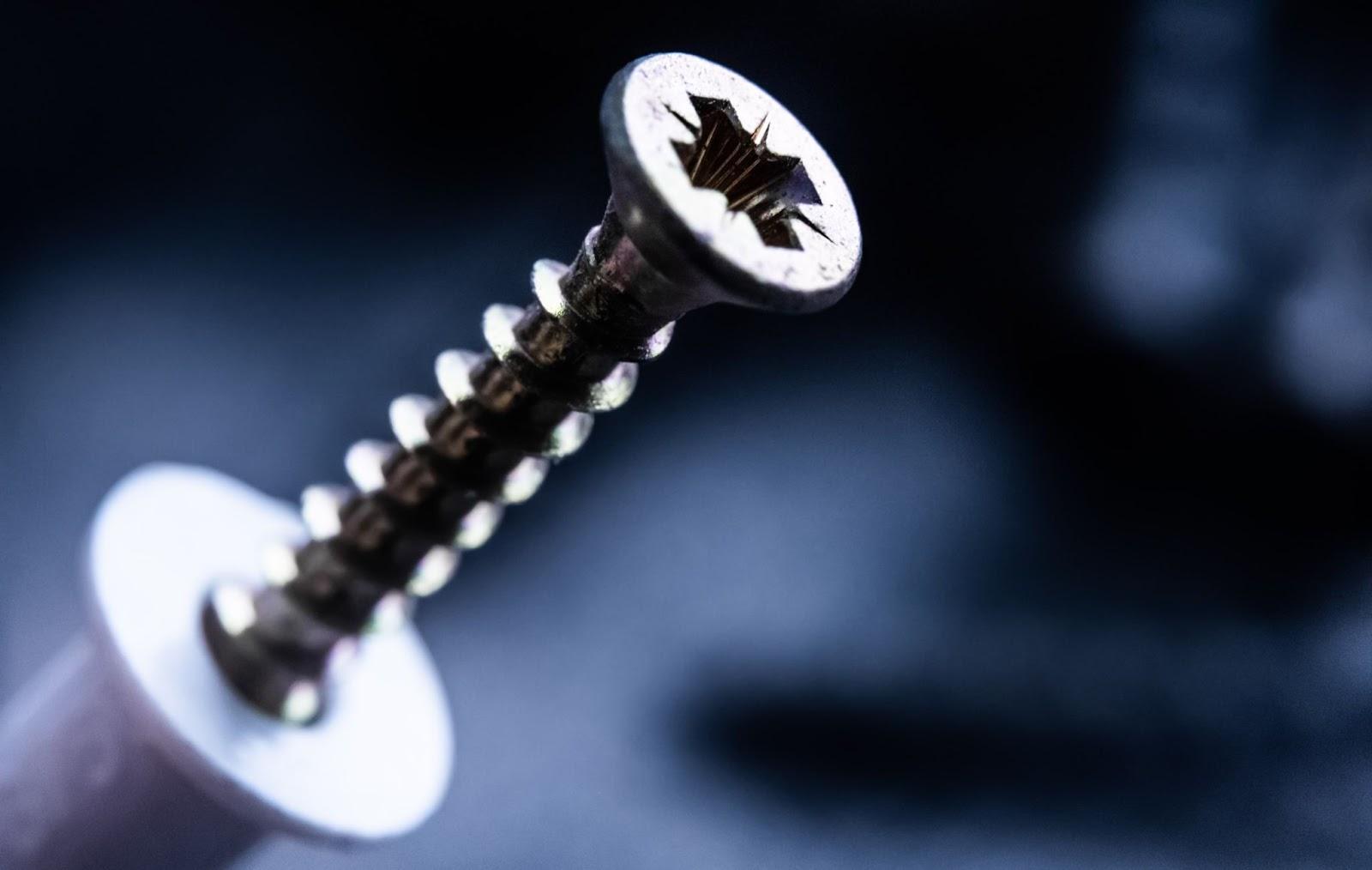
A stripped screw can quickly turn a simple repair into a frustrating task. When the grooves in the screw head become worn, a standard screwdriver loses its grip, making removal difficult. Fortunately, there are several proven methods that can help remove a stripped screw without damaging the surrounding material. In this guide, you'll discover the best techniques for removing stripped screws safely and efficiently using common tools.
What Causes a Screw to Become Stripped?
A screw usually becomes stripped because the screwdriver slips and wears down the grooves inside the screw head. Once this happens, the screwdriver can no longer grip properly. How to Remove a Stripped Screw? The best approach depends on how damaged the screw is, but starting with simple methods often provides the quickest solution.
Common causes include:
-
Using the wrong screwdriver size
-
Applying excessive force
-
Overtightening the screw
-
Rust and corrosion
-
Worn screwdriver bits
-
Repeated installation and removal
Understanding these causes can help prevent stripped screws in future projects.
The Best Methods to Remove a Stripped Screw
There isn't just one solution for every stripped screw. How to Remove a Stripped Screw? Begin with the easiest methods and move to more advanced techniques only if necessary. This reduces the risk of damaging the material around the screw.
Use a Rubber Band
One of the simplest and most effective techniques is the rubber band method.
Steps:
-
Place a thick rubber band over the stripped screw.
-
Insert the screwdriver into the screw through the rubber band.
-
Apply firm downward pressure.
-
Turn slowly until the screw loosens.
The rubber improves grip and helps the screwdriver catch the remaining grooves.
Try a Different Screwdriver
Sometimes switching to a slightly larger Phillips or flathead screwdriver provides a tighter fit.
Apply steady pressure while turning slowly to avoid making the damage worse.
Use Locking Pliers
If part of the screw head is exposed, locking pliers offer excellent grip.
Clamp the pliers tightly around the screw head and rotate counterclockwise until the screw comes free.
Apply Penetrating Oil
Rusty screws often become much harder to remove.
Spray penetrating oil around the screw and let it sit for 10–20 minutes before trying again. The lubricant reduces friction and loosens corrosion.
Use a Screw Extractor
For severely stripped screws, a screw extractor is often the most reliable solution.
After creating a small pilot hole, insert the extractor and turn it counterclockwise. The extractor grips the damaged screw and backs it out.
Cut a New Slot
A rotary tool or hacksaw can cut a straight slot into the top of the screw.
Once the slot is created, remove the screw using a flathead screwdriver.
Always wear safety glasses when cutting metal.
Tap the Screwdriver with a Hammer
A few gentle taps can help seat the screwdriver more firmly into the damaged screw.
After tapping, apply steady pressure while turning slowly.
Essential Tools for Removing Stripped Screws
Having the right tools makes the job much easier.
Useful tools include:
-
Phillips screwdriver
-
Flathead screwdriver
-
Thick rubber band
-
Locking pliers
-
Screw extractor kit
-
Penetrating oil
-
Rotary tool
-
Hammer
-
Safety glasses
-
Work gloves
Tips to Prevent Stripped Screws
Good habits help prevent screw damage.
Follow these simple tips:
-
Use the correct screwdriver size.
-
Replace worn screwdriver bits.
-
Apply firm downward pressure.
-
Tighten screws carefully.
-
Lubricate rusty screws before removal.
-
Avoid forcing stubborn screws.
These practices reduce the chances of stripping a screw head.
Common Mistakes to Avoid
Many stripped screws become worse because of improper removal techniques.
Avoid these mistakes:
-
Using the wrong screwdriver.
-
Turning too quickly.
-
Applying uneven pressure.
-
Continuing after the screwdriver slips.
-
Ignoring rust or corrosion.
-
Using excessive force.
Working patiently usually produces the best results.
When Should You Replace the Screw?
Once the screw has been removed, inspect it before reinstalling.
Replace the screw if:
-
The head is severely damaged.
-
The threads are worn.
-
Rust has weakened the metal.
-
It no longer tightens securely.
Using a new screw ensures a stronger and safer repair.
Conclusion
The best way to remove a stripped screw depends on how badly it is damaged. Start with simple methods like using a rubber band or switching to a different screwdriver before moving to locking pliers, penetrating oil, or a screw extractor. These techniques can save time, prevent damage, and help you complete your repair successfully. With the right tools and careful technique, even stubborn stripped screws can be removed safely.
Frequently Asked Questions
What is the easiest way to remove a stripped screw?
The rubber band method is usually the easiest solution for screws that are only slightly stripped.
What if the screw is badly damaged?
A screw extractor or locking pliers are often the best options for severely stripped screws.
Does penetrating oil really work?
Yes. It helps loosen rust and reduces friction, making stubborn screws easier to remove.
Can I remove a stripped screw without power tools?
Yes. Many stripped screws can be removed using hand tools like screwdrivers, locking pliers, and rubber bands.
How can I avoid stripping screws in the future?
Always use the correct screwdriver size, apply steady pressure, avoid overtightening, and replace worn screwdriver bits regularly.
 Greek
Greek
 English
 Arabic
 French
 Spanish
 Portuguese
 Deutsch
 Turkish
 Dutch
Dutch
 Italiano
 Russian
 Romaian
 Portuguese (Brazil)