


SIA Licence Course: Your Complete 2026 Guide to a Security Career
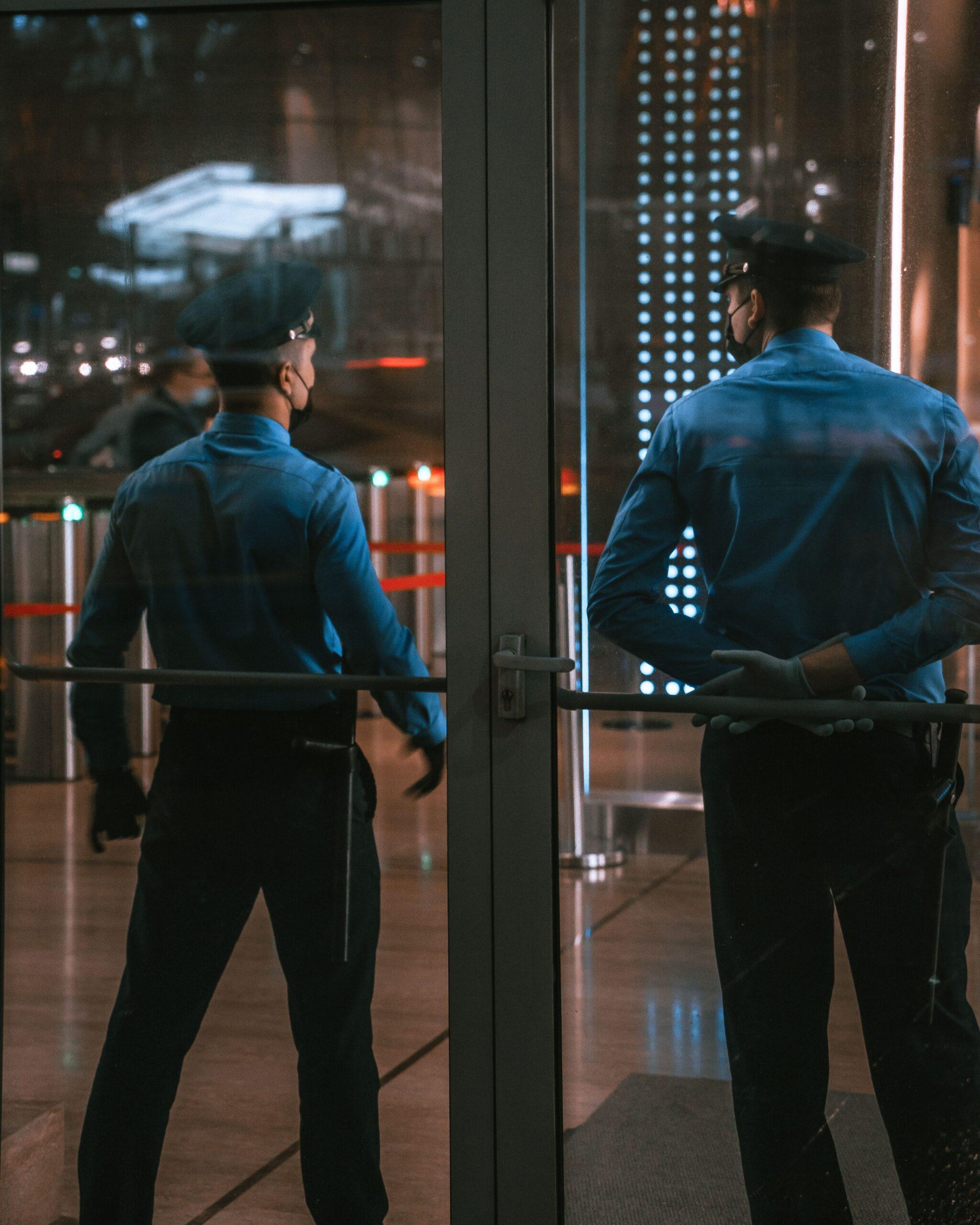
When I first considered a career change, the idea of working in security felt both exciting and daunting. I remember sitting at my kitchen table, scrolling through job boards, and constantly seeing one requirement pop up: a valid SIA licence. It became crystal clear that completing an SIA licence course was the only way forward. The private security industry in the UK is booming, with thousands of vacancies across retail, hospitality, construction, and events . Whether you are looking for a full-time role or a flexible side hustle, getting qualified opens doors to sia jobs that offer stability and variety. This guide is designed to walk you through everything you need to know, from choosing the right training to securing your badge and landing that first job.
What Exactly is an SIA Licence Course?
Let us break this down simply. An sia licence course is a recognised training programme approved by the Security Industry Authority (SIA) . Think of the SIA as the gatekeeper for the private security industry in the UK. Without their approval and your subsequent licence, working legally in most security roles is simply not allowed. This training ensures you have the necessary skills and knowledge to keep the public safe and handle the responsibilities of the job. It is not just about standing around; it involves understanding the law, managing conflict, and knowing how to respond in emergencies .
During my research, I found that the course is designed to cover everything from your legal responsibilities to practical communication skills. It provides the foundation you need to operate confidently in the field, ensuring you are compliant with the Private Security Industry Act 2001 .
Types of SIA Licence Courses Available
Not all security jobs are the same, and neither are the qualifications. Choosing the right path depends on the environment you want to work in.
Door Supervisor Course
This is the gold standard and the most popular choice. With a Door Supervisor licence, you are qualified to work in a wide range of settings. This includes nightclubs, bars, retail stores, corporate buildings, and construction sites . Essentially, if a venue serves alcohol or requires crowd management, a door supervisor is needed. This course is intensive and covers physical intervention skills, which are crucial for managing challenging situations.
Security Guard Course
If the high-energy environment of a nightclub does not sound appealing, the Security Guard course might be a better fit. This qualification is designed for lower-risk environments such as warehouses, offices, factories, and gatehouses . It focuses more on access control, patrolling, and monitoring rather than ejecting unruly patrons.
CCTV Operator Course
For those who prefer technology and observation, the CCTV Operator course is an excellent route. Licensed operators work in control rooms monitoring shopping centres, town centres, and transport hubs . This role requires attention to detail and the ability to spot suspicious activity.
Close Protection Course
This is the elite end of the spectrum, training individuals for bodyguarding and executive protection roles. It requires a much larger investment of time and money, usually spanning 16 to 19 days .
How to Choose the Right Training Provider
Finding a good training provider is crucial. When I was looking, I felt overwhelmed by the options. The key is to look for approved training providers listed on the official SIA website . A centre like Corby Training Centre is a great example of a provider that offers comprehensive training with experienced instructors who focus on practical skills . They offer support with the SIA login and access to course materials, making the process less stressful. When searching for "training sia" options, ensure the centre is accredited by awarding bodies like Highfield Qualifications or NOCN . Do not just look at the price; consider the reputation and the facilities.
What to Expect from Your Training and Assessments
The structure of the course is designed to be rigorous but manageable. Depending on the licence you are pursuing, the duration varies. For instance, the Security Guard course typically lasts four days, while the Door Supervisor course is six days . You can expect a mix of classroom learning and practical exercises.
I remember being nervous about the exams, but the structure is straightforward. The course covers specific units, including:
-
Principles of working in the private security industry: This covers the law, fire safety, and emergency procedures .
-
Roles and responsibilities: Here, you learn about access control, search procedures, and patrolling .
-
Conflict management: This is a vital component where you learn how to de-escalate situations and use problem-solving techniques .
Meeting the Prerequisites
Before you even step into the classroom, you need to tick a few boxes. First, you must be at least 18 years old and have the right to work in the UK . Crucially, you need a valid Emergency First Aid at Work (EFAW) qualification. This has become a mandatory prerequisite for door supervisor and security guard training. You must complete this first aid course before starting your SIA training, and it cannot be an online-only course . The SIA requires proof of this to register for your main course. If you already have a first aid certificate, ensure it is valid for at least 12 months from your course start date.
I highly recommend completing the Action Counters Terrorism (ACT) Security e-learning before your course starts. It gives you a solid background in terror threat awareness and is often a requirement for the training provider .
The Application Process for Your Licence
Once you have passed your assessments—which usually involve multiple-choice exams and practical observations—you can finally apply for your licence . The training provider will notify the SIA of your success, which then allows you to submit your application online. This is where the SIA login comes into play. You will need to create an account on the SIA portal, verify your identity, and undergo a criminal record check . The application fee is separate from your course costs, so make sure to budget for that.
Understanding Recent and Upcoming Changes
The security industry is always evolving, and the training reflects this. As of 1 April 2025, mandatory refresher training was introduced for renewing Door Supervisor and Security Guard licences . This means that simply getting your licence is not the end of the story; you must keep your skills up to date. Furthermore, the SIA has announced a major strategic review of all licence-linked qualifications, which is expected to last until spring 2027 . This review aims to ensure the training remains relevant and addresses emerging risks. The new refresher qualification covers key areas like physical intervention, conducting searches, and protecting vulnerable people .
Funding Your SIA Licence Course
Cost is often the biggest hurdle. In the UK, a Door Supervisor course can range from £180 to £350, while a Security Guard course is slightly cheaper . However, there are ways to reduce the cost. The UK government offers the Bootcamps scheme, which provides free training for adults looking to get into sectors like security. I know several people who got their licences completely free through the Skills Bootcamps program. It is worth checking if you are eligible, as it also includes a guaranteed job interview upon completion. The scheme covers your training, first aid, and often the SIA licence fee.
A Personal Reflection on the Journey
Looking back, the path from that kitchen table to holding my SIA licence was a journey of self-discovery. The course itself is a great equaliser; you sit next to people from all walks of life, from recent graduates to those seeking a second career. The practical sessions on conflict management were some of the most engaging learning experiences I have had. The trainers often use real-world examples, making the theory come alive. It is not just about passing a test; it is about building the confidence to handle high-pressure situations with professionalism. The feeling of finally receiving that badge in the post is a real sense of achievement. It is more than just a piece of plastic; it is a ticket to a career with purpose and respect.
Conclusion: Taking the First Step
Starting an SIA licence course is the first and most critical step to unlocking a rewarding career in the UK security sector. With a growing demand for qualified professionals, now is an ideal time to enter the industry. Whether you choose the fast-paced world of door supervision or the steady environment of security guarding, the training equips you with life skills that extend beyond the job. The processes are clear, the providers like Corby Training Centre are ready to support you, and the opportunities are plentiful. Do your research, ensure you meet the prerequisites, and take that leap. Your future career in security awaits.
 Romaian
 English
 Arabic
 French
 Spanish
 Portuguese
 Deutsch
 Turkish
 Dutch
Dutch
 Italiano
 Russian
 Portuguese (Brazil)
 Greek
Greek