


Functional Optical Coating Technology and Its Applications in Advanced Optical Systems
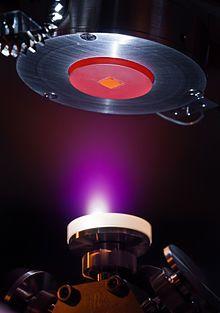
With the rapid development of optical technology, modern optical components require more than simple light transmission. Many applications need surfaces with additional functions, such as reflection control, protection, durability improvement, and wavelength management.
This has led to the development of functional optical coating technology.
By applying specially designed thin film layers onto optical surfaces, functional optical coatings can provide multiple performance improvements while maintaining the optical properties of the original material.
Today, functional optical coatings are widely used in consumer electronics, optical instruments, automotive systems, medical equipment, and advanced imaging applications.
What Is Functional Optical Coating?
Functional optical coating refers to a type of optical thin film coating designed to provide specific functional properties beyond basic optical performance.
Unlike traditional coatings that mainly focus on reducing reflection or increasing transmission, functional optical coatings are designed to achieve multiple objectives at the same time.
These functions may include:
- Anti reflective performance
- Scratch resistance
- Surface protection
- Infrared control
- Hydrophobic properties
- Light filtering
- Improved durability
Functional optical coatings are typically produced using advanced technologies such as vacuum coating, physical vapor deposition (PVD), and thin film deposition.
Why Are Functional Optical Coatings Important?
Modern optical products are becoming smaller, more precise, and more multifunctional.
A single optical component may need to provide:
- High light transmission
- Surface durability
- Environmental resistance
- Stable optical performance
For example, a smartphone camera lens needs excellent light transmission while also requiring protection against scratches and environmental exposure.
Functional optical coating technology allows manufacturers to combine different performance requirements into a thin and controlled coating structure.
How Does Functional Optical Coating Work?
Functional optical coatings work by depositing one or multiple layers of specialized materials onto an optical substrate.
The coating structure is carefully designed according to the required performance.
During the manufacturing process, engineers control:
- Material composition
- Film thickness
- Layer arrangement
- Optical properties
Multilayer structures are commonly used because different layers can provide different functions.
For example:
- Low refractive index materials help reduce reflection.
- High refractive index materials help control light behavior.
- Protective layers improve surface durability.
Common Types of Functional Optical Coatings
Anti Reflective Coating (AR Coating)
Anti reflective coating is one of the most common functional optical coatings.
It reduces unwanted reflections from optical surfaces and improves light transmission.
Applications include:
- Camera lenses
- Smartphone lens systems
- Optical windows
- Display glass
AR coating improves optical efficiency and image quality by allowing more light to pass through the surface.
Protective Optical Coating
Optical components often require additional protection against daily use and environmental conditions.
Protective optical coatings can improve:
- Scratch resistance
- Wear resistance
- Chemical resistance
Applications include:
- Precision lenses
- Optical glass
- Sensor windows
Infrared Functional Coating
Infrared coatings are designed to control infrared wavelengths.
Applications include:
- Thermal imaging systems
- Infrared sensors
- Optical detection equipment
These coatings help optimize the performance of systems operating in infrared environments.
Hydrophobic Optical Coating
Hydrophobic coatings reduce water adhesion and improve surface cleanliness.
Applications include:
- Camera lenses
- Optical windows
- Outdoor optical equipment
They help maintain optical clarity in different environments.
Materials Used in Functional Optical Coating
The performance of functional optical coatings depends heavily on material selection.
Silicon Dioxide (SiO₂)
Silicon dioxide is widely used in optical thin film structures.
It provides:
- Good transparency
- Chemical stability
- Low refractive index properties
Applications include:
- AR coatings
- Multilayer optical coatings
- Glass coatings
Titanium Dioxide (TiO₂)
Titanium dioxide is commonly used as a high refractive index material.
It is often combined with SiO₂ to create multilayer optical structures.
Applications include:
- Reflection control
- Optical filters
- Functional thin films
Aluminum Oxide (Al₂O₃)
Aluminum oxide provides excellent hardness and surface protection.
It is used where additional durability is required.
Applications of Functional Optical Coating
Consumer Electronics
Consumer electronics are one of the fastest-growing application areas.
Functional optical coatings are used in:
- Smartphone camera lenses
- Display glass
- Optical sensors
- Smart devices
They help improve:
- Image quality
- Surface durability
- User experience
SRNC focuses on vacuum coating and optical thin film technologies for consumer electronics and optical components.
More information about optical coating technology:
https://srnc.net/optical-coating/
Camera Module and Imaging Systems
Modern imaging systems require precise control of light behavior.
Functional optical coatings are applied to:
- Camera lenses
- Camera modules
- Optical filters
They help reduce reflection, improve transmission, and protect optical surfaces.
Medical and Scientific Instruments
Medical and scientific optical systems require high accuracy and reliability.
Applications include:
- Microscopes
- Imaging equipment
- Laboratory instruments
Functional optical coatings improve optical performance while protecting sensitive components.
Automotive Optical Systems
Modern vehicles use cameras, sensors, and display systems.
Functional coatings help improve:
- Optical stability
- Environmental resistance
- Long-term reliability
Applications include:
- Vehicle cameras
- LiDAR components
- Sensor windows
Functional Optical Coating and Vacuum Coating Technology
High-performance functional optical coatings require precise manufacturing processes.
Vacuum coating technology provides a controlled environment for depositing thin film materials onto optical surfaces.
Common technologies include:
- Physical Vapor Deposition (PVD)
- Magnetron sputtering
- Electron beam evaporation
These processes allow manufacturers to achieve:
- Accurate coating thickness
- Uniform film layers
- Stable optical performance
SRNC provides vacuum coating solutions for optical components, glass substrates, and advanced thin film coating applications.
Learn more about SRNC:
https://srnc.net/
Factors to Consider When Selecting Functional Optical Coating
Different applications require different coating designs.
Important factors include:
- Optical wavelength requirements
- Substrate material
- Environmental conditions
- Required durability
- Functional requirements
For example, a camera lens coating may focus on anti reflection performance, while an industrial sensor coating may require stronger environmental protection.
A suitable coating design must balance optical performance and practical application requirements.
Future Development of Functional Optical Coating Technology
As optical products become more advanced, functional optical coating technology will continue to develop.
Future trends include:
- Multifunctional coating structures
- Improved durability
- More precise thin film designs
- Environmentally friendly coating processes
Functional optical coatings will continue to support industries such as electronics, imaging, medical technology, and automotive systems.
Although these coatings are extremely thin, they provide important functions that improve the performance and reliability of modern optical products.
SRNC provides advanced vacuum coating and thin film coating solutions for optical and functional surface applications.
Learn more about SRNC:
https://srnc.net/

 Arabic
 French
 Spanish
 Portuguese
 Deutsch
 Turkish
 Dutch
Dutch
 Italiano
 Russian
 Romaian
 Portuguese (Brazil)
 Greek
Greek