


Wind Damage Insurance Claim: How to Maximize Your Settlement
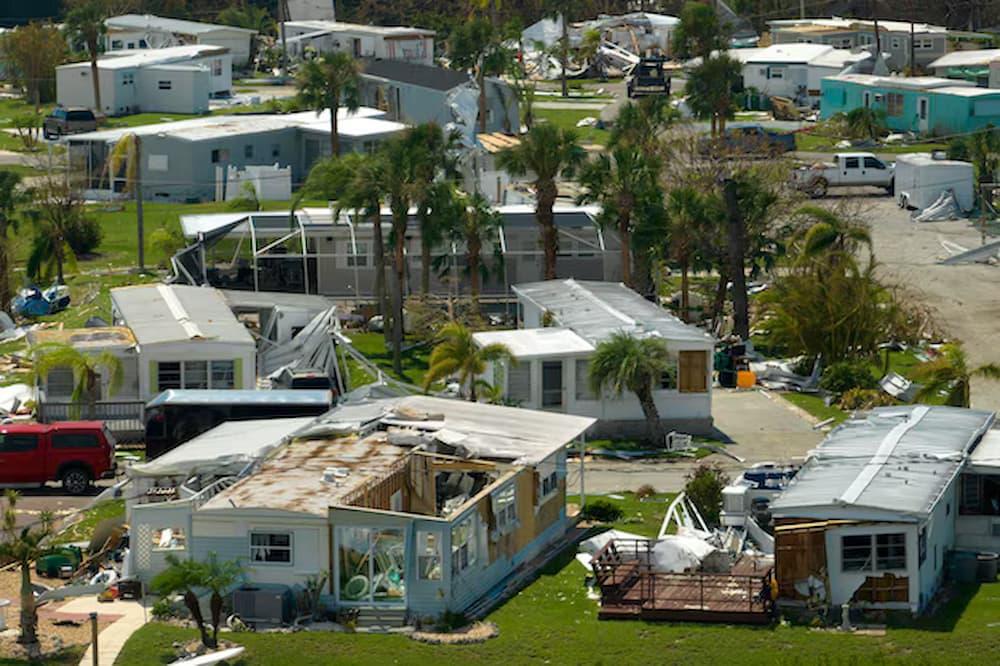
Property owners often face unexpected challenges after severe weather affects their homes or commercial buildings. Strong winds can damage roofs, siding, windows, fences, and other structural components, creating financial stress and uncertainty. A wind damage insurance claim often becomes the most important step toward recovering repair costs and restoring the property. Understanding how the claims process works and preparing the right documentation can help policyholders secure a fair settlement while avoiding unnecessary delays. Taking informed actions from the beginning often leads to better outcomes and a smoother recovery experience.
Understanding Wind Damage Insurance Claims
A wind damage insurance claim is a formal request submitted to an insurance provider after a property suffers damage caused by high winds, storms, or similar weather events. The purpose of the claim is to receive financial compensation for covered repairs and related losses according to the insurance policy. While many policies include wind damage coverage, the extent of protection depends on the specific terms, conditions, and exclusions outlined in the policy documents.
Property owners should recognize that every insurance claim requires evidence supporting the reported damage. Insurance companies typically evaluate the extent of the loss, verify policy coverage, and determine the amount payable. A thorough understanding of the process helps reduce confusion and improves the likelihood of receiving an appropriate settlement without unnecessary complications.
Common Types of Wind Damage
Roof Damage
Roofs often suffer the greatest impact during strong wind events. High winds may remove shingles, loosen flashing, damage gutters, or expose the roof deck to moisture. Even minor roof damage can develop into significant structural issues if repairs are delayed. Early inspections and proper documentation help establish the extent of damage before additional deterioration occurs.
Professional inspections can also identify hidden issues that are not immediately visible from the ground. Missing or lifted roofing materials may allow water intrusion, increasing repair costs over time. Prompt reporting helps preserve valuable evidence for the insurance claim while reducing the risk of further property damage.
Exterior Structural Damage
Powerful winds can affect siding, windows, doors, fences, garages, and exterior walls. Flying debris often causes broken glass, dents, cracks, and other forms of structural damage that require immediate attention. These visible signs provide important evidence when documenting the condition of the property after the storm.
Careful photographs and written records should capture every damaged area before repairs begin. Maintaining detailed records allows policyholders to demonstrate the direct impact of the storm and supports accurate claim evaluations during the settlement process.
Interior Damage
Wind related damage frequently extends beyond the exterior of a property. Once roofing materials or windows are compromised, rainwater may enter the building and damage ceilings, insulation, flooring, furniture, and electrical systems. Interior damage often develops gradually, making early inspections particularly valuable.
Property owners should inspect every room after severe weather, even if exterior damage appears limited. Moisture trapped inside walls or ceilings may eventually lead to mold growth or structural weakening, increasing repair expenses if left untreated.
Reviewing Insurance Policy Coverage
Understanding Covered Losses
Before filing a claim, policyholders should carefully review their insurance policy to understand what types of wind damage are covered. Coverage may include repairs to structural components, personal belongings, temporary living expenses, and additional property related costs depending on the policy language.
Reading the policy thoroughly helps identify deductibles, coverage limits, and exclusions that may influence the settlement amount. A clear understanding of these provisions enables property owners to make informed decisions throughout the claims process.
Recognizing Policy Exclusions
Insurance policies may exclude certain types of damage or require separate endorsements for specific weather related events. Some policies contain limitations for older roofs, neglected maintenance, or particular regional weather risks. These exclusions should be understood before expectations regarding settlement amounts are established.
Knowing potential limitations helps policyholders prepare supporting documentation demonstrating that the reported damage resulted directly from the covered wind event rather than long term wear or preexisting conditions.
Steps to Take Immediately After Wind Damage
Prioritize Safety
The safety of occupants should always remain the highest priority after severe weather. Damaged roofs, fallen trees, exposed electrical wiring, and unstable structures may create dangerous conditions requiring immediate attention. Property owners should avoid entering unsafe areas until professionals determine that the property is secure.
Once the immediate danger has passed, the property can be inspected carefully while documenting visible damage. Taking sensible safety precautions protects both individuals and the integrity of the insurance claim.
Prevent Additional Damage
Insurance policies often require property owners to take reasonable steps to prevent additional losses after an incident. Temporary repairs such as covering roof openings with tarps or boarding broken windows may reduce further damage while permanent repairs are being arranged.
Receipts for emergency materials and temporary repair services should be retained because these expenses may qualify for reimbursement under certain policy provisions. Maintaining accurate records strengthens the overall claim documentation.
Document Everything
Detailed documentation remains one of the most important elements of a successful insurance claim. High quality photographs, videos, inspection notes, repair estimates, and written timelines create valuable evidence supporting the reported damage.
Property owners should record every damaged area from multiple angles and maintain organized files throughout the claims process. Comprehensive documentation helps reduce disputes and provides greater clarity during claim evaluations.
Filing the Insurance Claim
Report the Damage Promptly
Prompt claim reporting allows insurance companies to begin the investigation while evidence remains fresh. Delays in reporting may complicate inspections or create questions regarding the cause and timing of the damage. Contacting the insurance provider as soon as possible helps initiate the claims process efficiently.
Providing accurate information during the initial report establishes a clear record of the event. Property owners should describe the damage honestly while avoiding assumptions regarding repair costs before professional assessments are completed.
Cooperate During Inspections
Insurance adjusters typically inspect the property to evaluate the reported damage and determine the scope of repairs. Property owners should accompany the inspection whenever possible to point out all affected areas and answer relevant questions.
Maintaining organized documentation during the inspection supports productive discussions and helps ensure that visible and hidden damages receive appropriate consideration throughout the evaluation process.
Maximizing the Settlement
Maintain Accurate Records
Strong documentation often contributes significantly to a favorable settlement outcome. Organized files containing inspection reports, contractor estimates, receipts, photographs, and correspondence create a comprehensive record of the claim.
Keeping all records together simplifies communication with the insurance company and reduces confusion if additional information is requested later in the process. Well organized documentation also demonstrates careful claim management.
Obtain Independent Repair Estimates
Receiving estimates from qualified contractors provides valuable insight into the actual cost of repairing storm related damage. Multiple estimates may help identify reasonable repair expenses while supporting negotiations if settlement offers appear insufficient.
Independent evaluations often uncover hidden structural issues that may not be immediately visible during initial inspections. These findings contribute to a more complete understanding of the property's repair requirements.
Communicate Clearly Throughout the Process
Professional and timely communication plays an important role in achieving positive claim outcomes. Responding promptly to requests for information and maintaining written records of conversations helps prevent misunderstandings during the claims process.
Written communication also creates an organized timeline of interactions that may prove valuable if questions arise regarding claim decisions or settlement negotiations later in the process.
Mistakes That Can Reduce Settlement Amounts
Delaying the Claim
Waiting too long before reporting wind damage may result in additional deterioration or make it more difficult to demonstrate the original condition of the property. Timely reporting protects important evidence and supports accurate evaluations.
Prompt action also allows repairs to begin sooner, reducing the likelihood of secondary damage that could increase restoration costs beyond the original loss.
Throwing Away Damaged Materials
Discarding damaged roofing materials, siding, or other structural components before inspections are completed may eliminate valuable evidence supporting the claim. Whenever practical, damaged items should remain available until the insurance company authorizes their removal.
Preserving physical evidence strengthens the documentation process and allows inspectors to verify the nature and severity of the damage more effectively.
Accepting the First Offer Without Review
The first settlement offer may not always represent the full value of the covered damage. Property owners should carefully review repair estimates, policy provisions, and inspection findings before accepting any settlement.
Taking time to understand the proposed payment allows informed decisions that better reflect the actual cost of restoring the property to its previous condition.
The Value of Professional Claim Assistance
Large or complex wind damage claims often involve detailed documentation, technical inspections, and extensive negotiations. Experienced claim professionals understand insurance terminology, damage assessments, and policy interpretation, helping policyholders navigate complicated situations with greater confidence.
Professional guidance can improve organization throughout the claims process while reducing stress during recovery. Their expertise helps ensure that supporting documentation accurately reflects the full extent of the property damage and that every eligible aspect of the claim receives appropriate attention.
Preparing for Future Wind Events
Although severe weather cannot be prevented, property owners can reduce future risks through regular maintenance and preparedness. Routine roof inspections, tree trimming, secure outdoor storage, and periodic policy reviews strengthen both property protection and financial preparedness.
Keeping updated photographs of the property before storms also provides valuable baseline documentation if future insurance claims become necessary. Preparation not only protects physical assets but also simplifies the claims process should another weather event occur.
Conclusion
Recovering from severe weather requires careful planning, accurate documentation, and a thorough understanding of insurance procedures. A properly managed wind damage insurance claim gives property owners a stronger opportunity to obtain a fair settlement while restoring their property efficiently. From documenting every detail to communicating effectively throughout the process, each step contributes to a more successful outcome. For those seeking experienced guidance during complex insurance claims, TSO Adjustment Service provides professional assistance that helps policyholders navigate the claims process with confidence and work toward the settlement they deserve.
 Deutsch
 English
 Arabic
 French
 Spanish
 Portuguese
 Turkish
 Dutch
Dutch
 Italiano
 Russian
 Romaian
 Portuguese (Brazil)
 Greek
Greek