


Known Tourist Scams in Britain and Tips to Protect Your Funds While Traveling Abroad
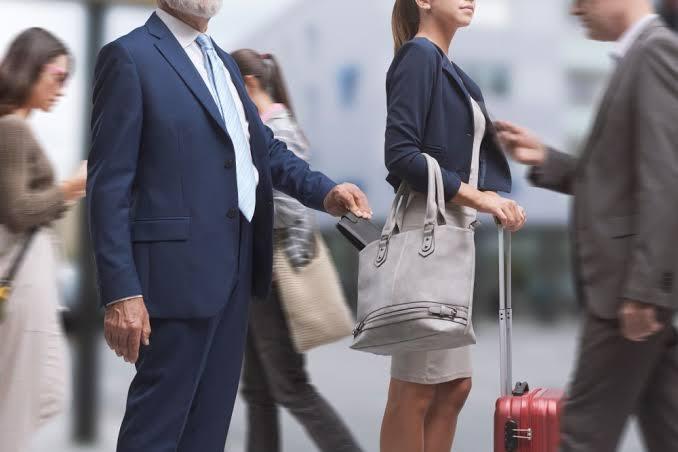
The United Kingdom, where time-honoured attractions meet modern urban energy attracts millions of visitors each year. However, for all its tidy appearance, there is a less visible operation dedicated to defrauding travellers. Further insights on how to spot fake profiles can be found on the portal.
Taking in the full range from London's overcrowded Underground platforms to Edinburgh's historic, narrow passages Being able to recognise and steer clear of these fraudulent operations is as important as carrying your passport. To the wise visitor, defending your money against theft is not about being fearful — it is about being ready.
In London, the "fallen" scam is a classic: An unfamiliar individual will cause a wallet or mobile phone to fall near you; a collaborator in the scheme will then make accusations of theft and will press you to pay. The proper method is obvious — do not interact with the thing and go to a busy place straight away. Bogus charity workers will approach tourists, displaying photo identification under plastic and official forms on boards. Usually they attempt to bully you into providing money for a cause that is not a real charitable endeavour. Those who are genuine charity collectors always have photographic identification and do not under any circumstances request money in the form of notes or coins.
Direct any charitable payments towards the official websites only. Another scam that is regularly encountered involves the offering of roses or friendship bracelets to you for nothing by people who appear to be friendly. They will then go on to ask for payment in an aggressive and insistent way. The effective defence is to keep hands hidden and to say no with a clear and assertive voice.
When you use an ATM, make sure you look out for readers that have been installed over the slot; these are used to copy your details, and at the same time an unseen camera can record your PIN. You should avoid using external cash machines and instead use only those that are inside the bank, and you should put your hand over the keypad for protection. In pubs and restaurants, be wary of the "split bill" confusion. Where a server returns with an inflated total, hoping you will pay without checking. Always count your change carefully and use contactless where available, or a card that will tell you about each transaction immediately. Fraudulent drivers of vehicles at airports or train stations will demand a sum of money that is not reasonable, select a route that is unnecessarily roundabout, or in some cases will take your belongings and depart.
You should only ever use official black cabs or services that you have organised before the time, like Uber. Never take a ride from anyone who walks up to you within the transport terminal.
Prior to your travel, you should be sure to update your bank about your trip. To avoid card blocks. Carry a principal credit card and also an additional form of payment, so that if you lose one you have the other. You would be best advised to choose cards that belong to different systems or which are held in two different currencies. Also keep a supply of emergency funds, something like £100 in low-denomination banknotes, hidden in a money belt or in your hotel's safe. Under no circumstances should you use public Wi-Fi for banking or buying anything. What you should do is use a Virtual Private Network (VPN) and use your mobile data wherever you are able to do so.
Activate two-factor authentication on every application that has access to your money. And set up transaction alerts to catch unauthorised charges immediately.

 English
 Arabic
 French
 Spanish
 Portuguese
 Deutsch
 Dutch
 Italiano
 Russian
 Romaian
 Portuguese (Brazil)
 Greek