


Bandpass Filter Coating: Technology and Applications
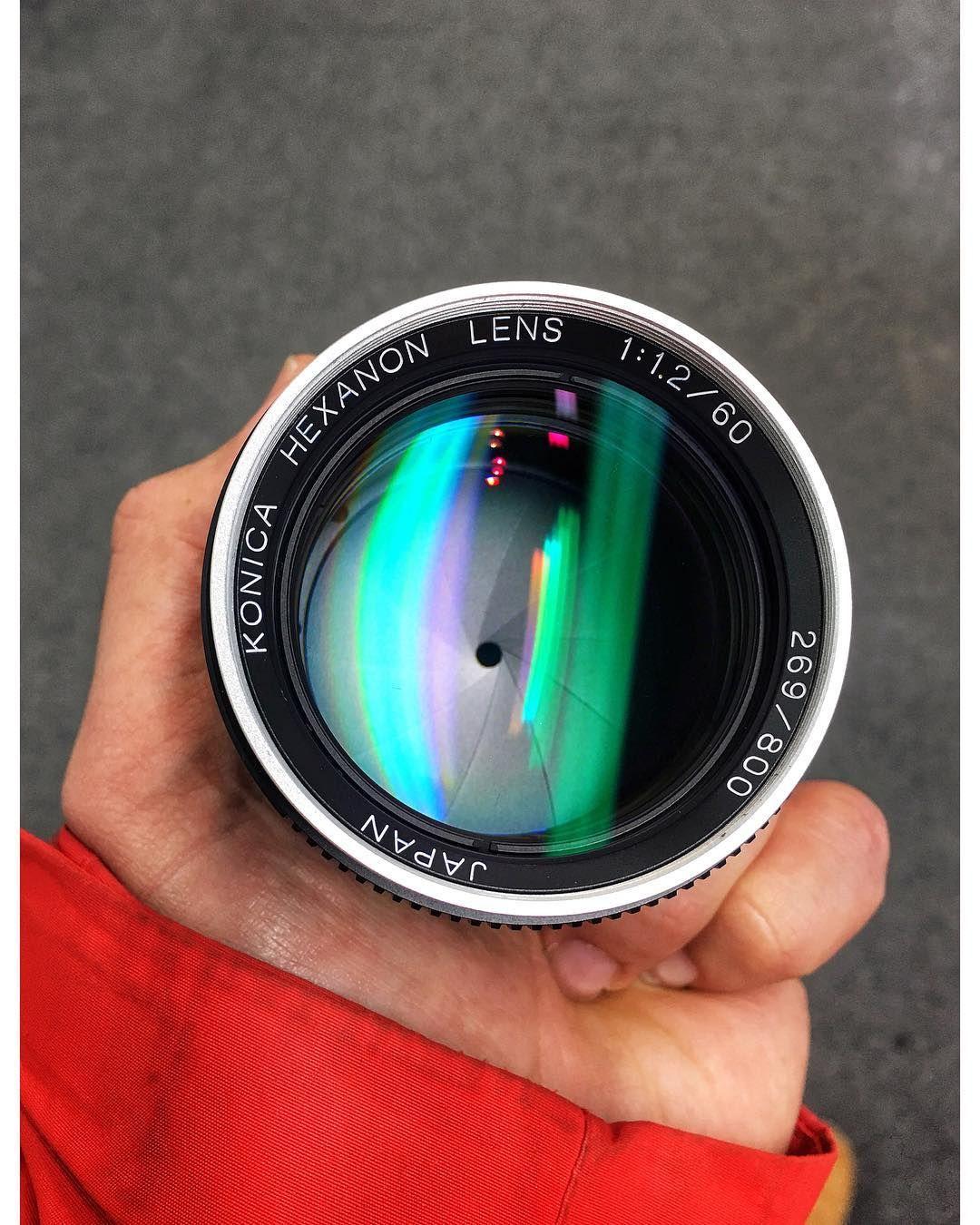
Modern optical systems often require precise control of specific wavelengths of light. In applications such as imaging, spectroscopy, sensors, and laser systems, selecting the correct wavelength range is essential for accurate detection and measurement.
Bandpass filter coating is an optical thin film technology designed to allow a specific wavelength range to pass while blocking unwanted wavelengths.
By applying multilayer optical coatings to filter substrates, bandpass filter coatings provide accurate spectral control, improve optical efficiency, and support reliable performance in advanced optical systems.
What Is Bandpass Filter Coating?
Bandpass filter coating refers to a multilayer optical coating applied to a filter substrate to create a controlled transmission window.
A bandpass filter allows a selected wavelength range to pass through while reducing light outside the target range.
The main functions of bandpass filter coatings include:
- Selecting specific wavelengths
- Blocking unwanted radiation
- Improving signal quality
- Enhancing measurement accuracy
Common optical filter structures include:
- Narrow bandpass filters
- Broadband bandpass filters
- Infrared bandpass filters
- Visible wavelength bandpass filters
These coatings are widely used in:
- Imaging systems
- Spectroscopy equipment
- Optical sensors
- Laser measurement systems
How Does Bandpass Filter Coating Work?
Bandpass filter coatings operate through optical interference principles.
The coating structure consists of multiple thin film layers with alternating high and low refractive index materials.
When light reaches the coated surface:
- Light enters the multilayer coating structure
- Each layer creates partial reflection
- Reflected waves interact through interference
- Selected wavelengths are transmitted while others are suppressed
The performance of the filter depends on:
- Center wavelength
- Bandwidth
- Transmission rate
- Blocking range
- Layer design
By controlling the thickness and arrangement of each coating layer, manufacturers can achieve precise wavelength selection.
Bandpass Filter Coating Process
High-performance bandpass filter coatings require accurate thin film deposition technology.
Substrate Preparation
Before coating, filter substrates need careful cleaning and surface inspection.
Common substrate materials include:
- Optical glass
- Quartz
- Sapphire
- Silicon
- Infrared materials
Proper substrate preparation improves:
- Coating adhesion
- Film consistency
- Optical performance
Thin Film Deposition
During the coating process, optical materials are deposited layer by layer onto the substrate.
Common technologies include:
- Physical Vapor Deposition (PVD)
- Magnetron sputtering
- Electron beam evaporation
These methods allow precise control of:
- Film thickness
- Layer structure
- Spectral performance
Optical Testing
After coating, bandpass filters are tested for:
- Transmission spectrum
- Center wavelength accuracy
- Blocking performance
- Environmental stability
Materials Used in Bandpass Filter Coating
The selection of coating materials directly affects optical performance.
Silicon Dioxide (SiO₂)
Silicon dioxide is commonly used as a low refractive index coating material.
Advantages include:
- Good optical transparency
- Chemical stability
- Reliable performance
Titanium Dioxide (TiO₂)
Titanium dioxide is a high refractive index material used in multilayer optical coatings.
It helps achieve:
- Precise wavelength control
- High transmission efficiency
- Strong interference effects
Tantalum Pentoxide (Ta₂O₅)
Tantalum pentoxide is widely used in precision optical coatings.
Benefits include:
- Stable optical properties
- Low absorption
- Good durability
Types of Bandpass Filter Coating
Narrow Bandpass Filter Coating
Narrow bandpass coatings allow a very limited wavelength range to pass.
Applications include:
- Laser detection
- Fluorescence imaging
- Scientific analysis
Broadband Bandpass Filter Coating
Broadband coatings provide wider transmission ranges.
Applications include:
- Imaging systems
- Optical sensors
- Industrial inspection
Infrared Bandpass Filter Coating
Infrared bandpass coatings are designed for specific infrared wavelength ranges.
Applications include:
- Thermal imaging
- Infrared cameras
- Gas detection systems
Applications of Bandpass Filter Coating
Imaging Systems
Bandpass filter coatings are widely used in imaging applications.
Examples include:
- Machine vision cameras
- Medical imaging equipment
- Scientific cameras
They help isolate useful wavelengths and improve image analysis.
Spectroscopy Equipment
Spectroscopy systems require accurate wavelength selection.
Bandpass filter coatings help:
- Select measurement wavelengths
- Reduce background interference
- Improve detection accuracy
Laser Systems
Laser applications require precise wavelength control.
Bandpass filters are used for:
- Laser measurement
- Optical monitoring
- Beam analysis
Industrial Sensors
Industrial sensors often depend on specific wavelength detection.
Applications include:
- Process monitoring
- Automated inspection
- Optical measurement systems
SRNC focuses on vacuum coating and optical thin film technologies for optical filters, lenses, and functional optical components.
More information:
https://srnc.net/optical-coating/
Bandpass Filter Coating and Multilayer Optical Coating Technology
Bandpass filter coatings rely on advanced multilayer optical coating designs.
By combining different dielectric materials, manufacturers can create precise wavelength transmission characteristics.
Multilayer optical coatings provide:
- Accurate spectral control
- High transmission efficiency
- Low optical loss
- Long-term stability
Vacuum coating technology enables accurate deposition of these complex thin film structures.
SRNC provides vacuum coating and thin film coating solutions for optical components and advanced coating applications.
Learn more:
https://srnc.net/
Factors Affecting Bandpass Filter Coating Performance
Several factors influence bandpass filter quality:
- Coating material selection
- Film thickness accuracy
- Number of coating layers
- Substrate quality
- Manufacturing process
Different applications require different filter designs.
For example:
- Laser systems require narrow wavelength control.
- Imaging systems require high transmission.
- Sensor applications require stable spectral response.
Future Development of Bandpass Filter Coating
With increasing demand for advanced imaging, sensing, and optical measurement technologies, bandpass filter coatings continue to develop.
Future trends include:
- Higher wavelength accuracy
- More complex multilayer structures
- Lower optical loss
- Improved coating durability
Bandpass filter coating technology will continue to support applications in imaging, sensing, spectroscopy, and industrial optical systems.
Although these coatings are only thin film structures, they provide precise control over light and improve the performance of modern optical devices.
 Greek
Greek
 English
 Arabic
 French
 Spanish
 Portuguese
 Deutsch
 Turkish
 Dutch
Dutch
 Italiano
 Russian
 Romaian
 Portuguese (Brazil)