


Common Issues Identified During Fire Sprinkler Waterflow Testing
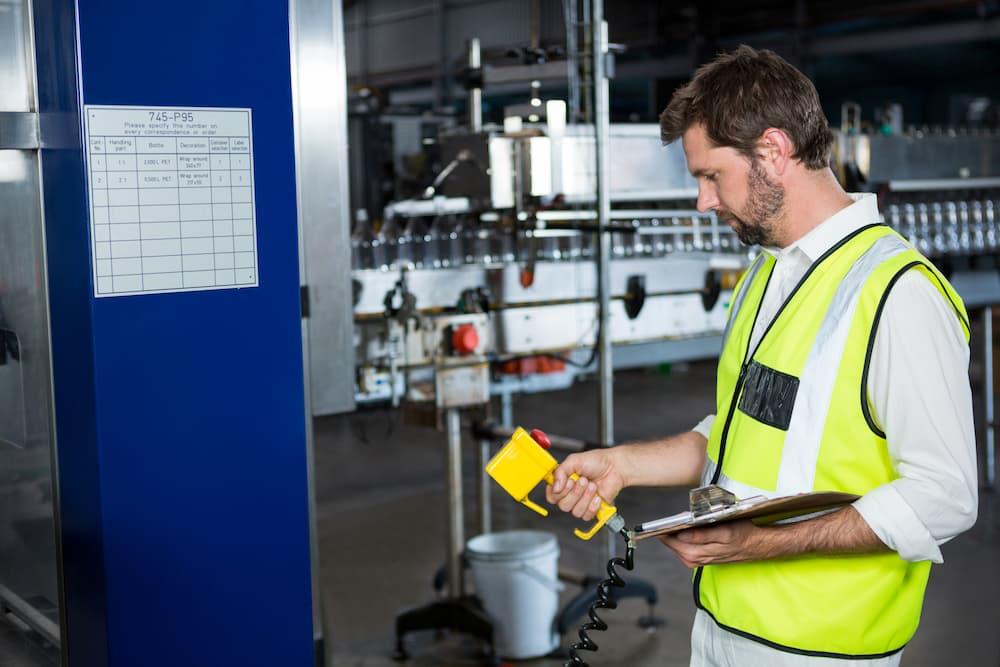
Fire sprinkler systems are designed to provide reliable water delivery when an emergency occurs, but their performance can change over time. Regular inspections and testing help reveal conditions that may affect system effectiveness. Water supply changes, valve problems, piping obstructions, and equipment deterioration can all influence performance. Identifying these issues early allows responsible personnel to investigate and address concerns before they become serious. Fire Sprinkler Waterflow Testing provides an important opportunity to evaluate system conditions and identify potential deficiencies that could affect water delivery during a fire emergency.
Why Waterflow Testing Is Important
Evaluating System Performance
Waterflow testing helps determine whether a sprinkler system is receiving and delivering water under expected conditions. Testing can reveal changes in pressure and flow that may indicate underlying problems. These measurements provide useful information that cannot always be obtained through visual inspections alone. Regular evaluation allows building managers and qualified technicians to monitor system performance and identify potential concerns before they affect emergency operation.
Detecting Changes Over Time
Fire protection systems can experience gradual changes as buildings, water supplies, and equipment age. A system that performed correctly several years earlier may not produce identical results today. Comparing current test results with historical records can help identify these changes. Significant differences may indicate developing issues involving valves, piping, water supplies, or other system components. Early detection provides an opportunity for investigation and corrective action.
Valve Related Problems
Partially Closed Valves
One common issue involves control valves that are not fully open. A partially closed valve can restrict water movement and reduce the flow available to the sprinkler system. This condition may develop because of maintenance activities, accidental adjustments, or improper restoration after testing. Waterflow testing can help reveal the impact of restricted valve positions. Regular valve inspections and clear operational procedures can reduce the likelihood of this problem.
Damaged Valve Components
Valves may also experience mechanical deterioration over time. Corrosion, damaged operating mechanisms, and other defects can affect proper positioning or operation. A valve may appear to be open while still failing to provide the expected water passage. If test results indicate unusual flow conditions, the associated valves may require closer inspection to determine whether mechanical problems are contributing to reduced performance.
Water Supply Concerns
Reduced Supply Pressure
Changes in the available water supply can significantly influence sprinkler system performance. Reduced pressure may result from changes in municipal conditions, supply infrastructure, or other external factors. If testing identifies lower pressure than expected, further investigation may be necessary. Comparing current measurements with historical results can help determine whether the change is temporary or represents a long term concern.
Inadequate Water Availability
A sprinkler system requires an adequate water supply to perform effectively. Changes in surrounding development or infrastructure may influence available water conditions. Testing can provide useful information about whether the system is receiving the expected supply. When results indicate inadequate availability, responsible personnel may need to investigate the cause and determine whether additional measures are necessary to maintain appropriate fire protection.
Piping and Obstruction Issues
Internal Pipe Obstructions
Debris, corrosion products, mineral deposits, and other materials can accumulate within sprinkler piping. These obstructions may restrict water movement and reduce the effectiveness of the system. Testing can reveal unexpected changes in flow that may indicate an obstruction. Additional investigation may be required when test results show unexplained reductions in performance.
External Piping Damage
Visible damage to piping can also affect system reliability. Physical impacts, corrosion, or environmental conditions may weaken or restrict portions of the system. During routine inspections, technicians should look for visible signs of deterioration. If testing results suggest a problem in a specific area, a detailed inspection can help determine whether piping damage is involved.
Testing Equipment Problems
Inaccurate Gauges
Testing depends on reliable measurement equipment. A damaged or inaccurate gauge can produce readings that do not reflect actual system conditions. This can make it difficult to determine whether the sprinkler system is operating correctly. Equipment should therefore be maintained and checked according to applicable requirements to support accurate measurements.
Improper Testing Procedures
Incorrect testing methods can also produce misleading results. If equipment is used improperly or measurements are taken under inconsistent conditions, the resulting information may not accurately represent system performance. Qualified personnel should follow established procedures and understand the requirements associated with the specific sprinkler system. Consistency improves the reliability of test results and makes historical comparisons more meaningful.
Alarm and Detection Concerns
Flow Switch Response Problems
Waterflow testing may identify problems involving flow switches or related detection components. A switch may fail to respond correctly because of mechanical wear, improper adjustment, or electrical issues. If water movement is detected but the expected alarm signal is not generated, additional investigation may be necessary. Reliable detection is essential because it supports timely notification during an emergency.
Delayed Alarm Signals
A delay between water movement and alarm notification may also require attention. The cause could involve detection equipment, wiring, control systems, or communication pathways. Testing helps confirm that the expected signal is transmitted correctly. Identifying delays during scheduled inspections provides an opportunity to investigate and correct the issue before an emergency occurs.
Importance of Corrective Action
Investigating the Root Cause
When testing reveals an abnormal result, the underlying cause should be investigated rather than simply recording the issue. A reduced flow measurement may have several possible explanations, including valve restrictions, water supply changes, or internal obstructions. Determining the root cause allows corrective measures to address the actual problem and reduces the possibility of repeated deficiencies.
Confirming Repairs
After corrective work is completed, additional testing may be necessary to confirm that the system has returned to expected conditions. Verification provides evidence that the identified issue has been properly addressed. It also ensures that repairs have not introduced new problems elsewhere in the system. Follow up testing is therefore an important part of effective maintenance.
Maintaining Reliable Fire Protection
Regular Testing
Regular testing provides ongoing insight into sprinkler system performance. A single successful test does not guarantee that the system will remain reliable indefinitely. Conditions can change due to aging equipment, environmental factors, and modifications to water supplies. Consistent testing helps identify these changes and supports timely maintenance.
Detailed Documentation
Accurate documentation strengthens the overall inspection process. Records should include relevant measurements, observations, deficiencies, and corrective actions. Historical information allows responsible personnel to identify trends and investigate unusual changes. Good documentation also supports organized maintenance planning and demonstrates that required testing activities have been performed.
Conclusion
Waterflow testing is an essential part of maintaining reliable fire sprinkler protection. It can reveal issues involving valves, water supplies, piping, testing equipment, and alarm components that may not be obvious during routine visual inspections. Early identification allows qualified personnel to investigate problems, complete corrective work, and verify system performance. Regular testing combined with accurate documentation and preventive maintenance can help ensure that sprinkler systems remain prepared to deliver effective protection when an emergency occurs.
For dependable fire protection testing support, Zonecheck USA can help provide solutions that promote accurate inspections and reliable system performance. A consistent approach to waterflow evaluation and corrective maintenance can give building managers greater confidence that their fire sprinkler systems are ready to perform when protection is most needed.

 Arabic
 French
 Spanish
 Portuguese
 Deutsch
 Turkish
 Dutch
 Italiano
 Russian
 Romaian
 Portuguese (Brazil)
 Greek