


Fix Your Tiller Fast: Step-by-Step Solutions for Every Top Mechanical Breakdown
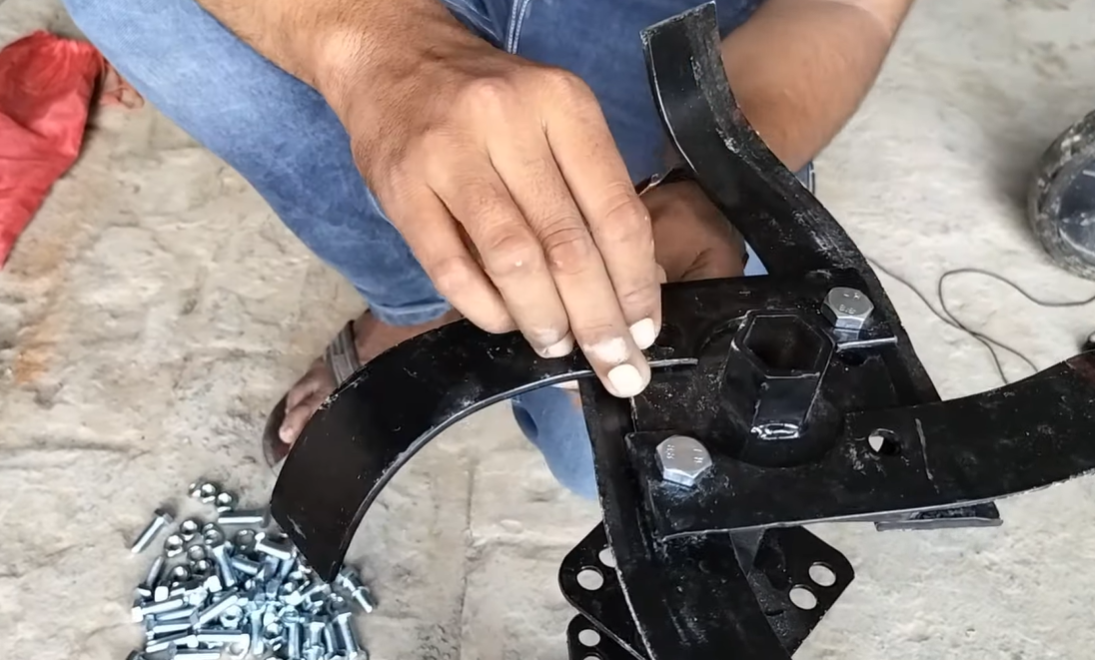
A gas-powered tiller is the backbone of every vegetable patch, flower bed, and new lawn project. It turns hard, compacted dirt into loose, nutrient-rich soil ready for planting—but nothing derails garden plans faster than a tiller that refuses to work. Most gardeners encounter the same seven recurring mechanical faults, all of which stem from stale fuel, clogged components, worn moving parts, or neglected routine care. This guide breaks down each issue, its root causes, and simple DIY fixes you can complete at home without expensive shop visits, plus long-term maintenance habits to avoid breakdowns entirely.
The most widespread complaint by far is a tiller that simply won’t start. Four simple culprits usually trigger this headache: a clogged air filter choking airflow, gasoline left sitting for over 30 days leaving sticky carburetor deposits, a fouled or worn spark plug unable to ignite fuel, or a dirty carburetor with blocked fuel jets. The repair sequence is straightforward: drain all stale fuel and refill with fresh gasoline, remove and inspect the spark plug (swap it out if coated in carbon), spray clean the carburetor, then replace or wash the dirty air filter. Completing these four steps resolves nearly all no-start scenarios in minutes.
Next is an engine that sputters, surges, or stalls mid-tilling. This inconsistent performance happens when the engine cannot draw a steady fuel supply. A blocked fuel filter, cracked fuel line, or misadjusted carburetor air-fuel ratio are the main triggers. Start by tweaking the carburetor mixture screws to smooth out rough idle, then install a new cheap fuel filter. Replace any kinked or brittle fuel lines instead of taping them, and clear a blocked fuel cap vent—sealed vents create a vacuum that starves the engine of gas.
Third on the list: non-spinning or sluggish tines, which render your tiller useless for soil turning. Tangled roots, weeds, and wire wrapped around the tine shaft are the most frequent cause, followed by frayed drive belts and stretched clutch cables. Always shut off the engine fully before clearing debris from the axle. If debris removal does not restore spin, check the drive belt for cracks or slippage and replace it. Persistent disengagement signals a worn clutch cable that needs adjustment or full replacement.
Gardeners also regularly struggle with tillers that fail to dig deep enough, leaving surface-level soil that does not aerate properly. Overly dry compacted ground, a drag bar set too high, or dull, rounded tines are to blame. Water hard soil 24 hours before tilling to soften it, lower the depth stake for deeper penetration, and swap out worn tines for sharp new blades. Slowing your walking pace and running a second pass will also improve depth on stubborn clay ground.
Excessive shaking, oil/fuel leaks, and overheating round out the seven core tiller faults. Heavy vibration stems from bent tines, loose assembly bolts, or an unbalanced blade set—stop operation immediately to avoid further damage. Fuel and oil leaks pose safety risks, so trace the leak source by running the engine briefly after wiping down the machine, replacing cracked fuel lines and worn gaskets. Overheating, which can seize an engine permanently, arises from clogged cooling fins, low oil, or nonstop heavy use; clean cooling fins post-tilling, check oil before every session, and let the unit rest 10–15 minutes after 30 to 45 minutes of continuous work.
The best way to skip costly repairs is consistent preventive maintenance. Change engine oil every 25–50 hours of use, clean tines after every gardening session, swap spark plugs annually, and fully winterize the tiller by draining fuel and storing it in a dry shed. Inspect belts and cables each spring before planting season begins.
Most tiller problems are avoidable with small, regular checks, and nearly all breakdowns can be fixed with basic hand tools. By diagnosing issues early and sticking to a simple maintenance schedule, your tiller will deliver reliable service for years, keeping your garden beds prepped and ready for planting all season long. If internal mechanical damage appears beyond DIY repair, consult a certified small-engine technician for professional service.
Sponsor
© 2026 Bondhusova - The Hunger Fighter
 Dutch
Dutch
Dutch
 English
 Arabic
 French
 Spanish
 Portuguese
 Deutsch
 Turkish
 Italiano
 Russian
 Romaian
 Portuguese (Brazil)
 Greek
Greek