


Precision Orthopedic Instruments: Enhancing Accuracy in Modern Orthopedic Surgery
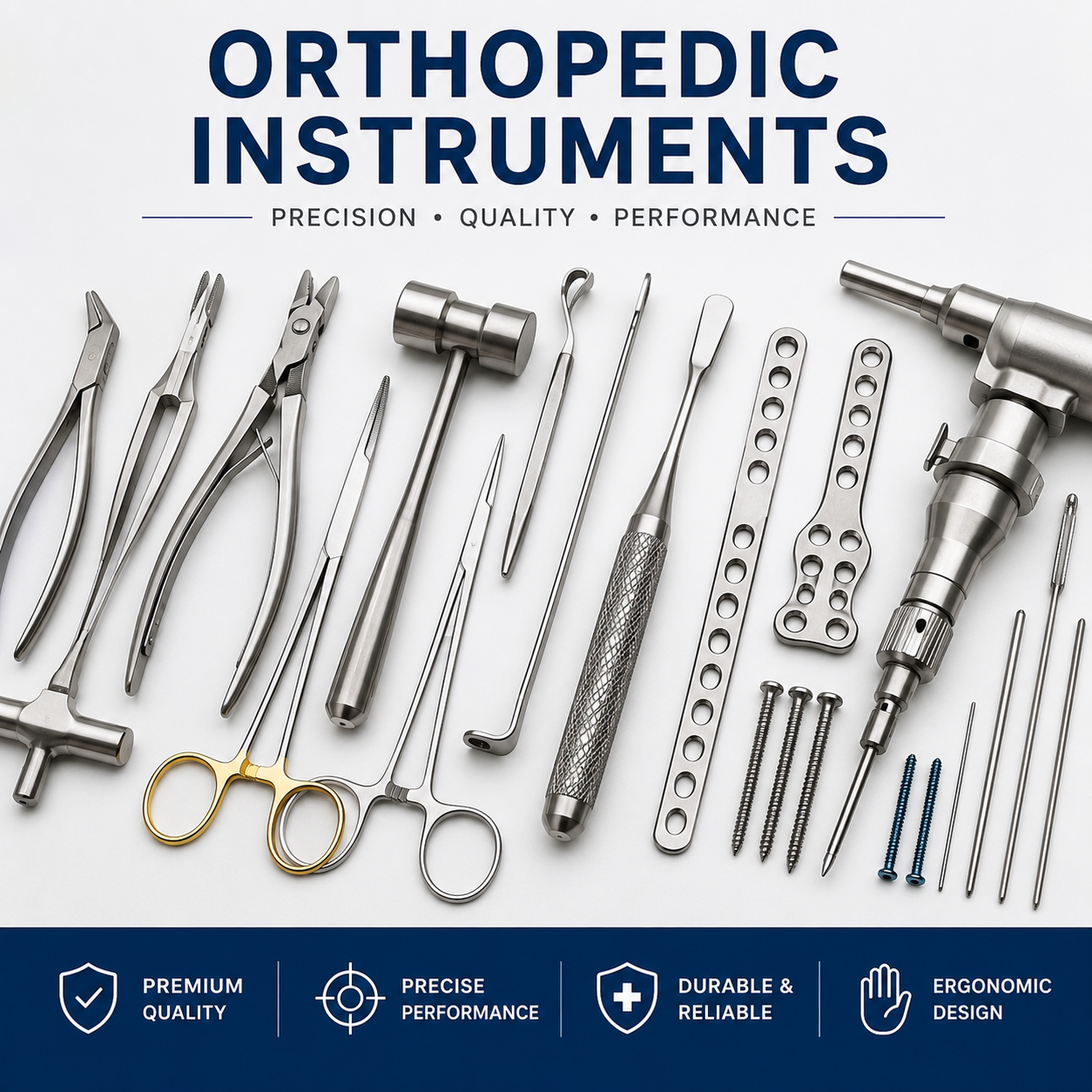
Precision orthopedic instruments are essential tools that enable orthopedic surgeons to perform complex bone and joint procedures with exceptional accuracy and efficiency. Designed for durability, stability, and precise control, these instruments play a critical role in fracture fixation, joint replacement, spinal surgery, and trauma care. High-quality orthopedic instruments improve surgical outcomes, reduce procedural risks, and support faster patient recovery.
What Are Precision Orthopedic Instruments?
Precision orthopedic instruments are specialized surgical tools used to diagnose, repair, and reconstruct bones, joints, ligaments, and surrounding tissues. These instruments are engineered to deliver maximum accuracy during orthopedic procedures, allowing surgeons to perform delicate tasks while minimizing tissue damage.
Manufactured from premium surgical-grade stainless steel or titanium, these instruments are designed to withstand repeated sterilization and maintain their precision over years of clinical use.
Types of Precision Orthopedic Instruments
Orthopedic surgery requires a wide range of instruments, each serving a specific purpose during diagnosis and treatment.
Bone Holding Forceps
Bone holding forceps securely stabilize fractured bones during fixation procedures, allowing surgeons to maintain accurate alignment throughout the operation.
Orthopedic Bone Cutters
Bone cutters are designed to trim or remove bone with clean, precise cuts. They are commonly used during reconstructive and trauma surgeries.
Surgical Retractors
Orthopedic retractors provide a clear surgical field by gently holding muscles and soft tissues away from the operative site, improving visibility and access.
Bone Rongeurs
Bone rongeurs are used to remove small pieces of bone and reshape skeletal structures with exceptional precision during orthopedic and spinal procedures.
Orthopedic Drills and Reamers
These powered instruments create accurate holes and prepare bone surfaces for screws, plates, and joint implants.
Plates, Screws, and Fixation Instruments
Orthopedic fixation systems help stabilize fractures and support proper bone healing by securely holding bone fragments in their correct position.
Common Applications
Precision orthopedic instruments are used across a wide range of surgical specialties involving the musculoskeletal system.
Common applications include:
-
Fracture repair surgery.
-
Joint replacement procedures.
-
Spinal surgery.
-
Sports injury treatment.
-
Trauma and emergency orthopedic care.
-
Pediatric orthopedic surgery.
-
Hand and foot surgery.
-
Bone reconstruction procedures.
Their versatility makes them indispensable in hospitals, trauma centers, and specialized orthopedic clinics.
Benefits of Precision Orthopedic Instruments
High-quality orthopedic instruments improve surgical performance while supporting patient safety and successful clinical outcomes.
Key benefits include:
-
Superior surgical accuracy.
-
Reliable bone stabilization.
-
Reduced tissue trauma.
-
Enhanced surgeon control.
-
Durable surgical-grade construction.
-
Excellent corrosion resistance.
-
Compatibility with repeated sterilization.
-
Long service life.
These advantages help healthcare professionals perform complex procedures with greater confidence and efficiency.
Materials Used in Orthopedic Instruments
Most precision orthopedic instruments are manufactured from medical-grade stainless steel because of its strength, corrosion resistance, and durability. Titanium instruments are also widely used due to their lightweight construction and exceptional resistance to wear.
Premium materials ensure that instruments maintain their performance even after repeated sterilization cycles and frequent surgical use.
How to Choose Quality Precision Orthopedic Instruments
Selecting the right orthopedic instruments requires careful consideration of manufacturing quality, ergonomic design, precision machining, and compliance with international medical standards.
Healthcare facilities should invest in instruments from trusted manufacturers that provide consistent performance, reliable durability, and strict quality assurance. Proper instrument selection helps improve surgical efficiency while reducing long-term replacement costs.
Proper Care and Maintenance
Routine cleaning, inspection, and sterilization are essential to maintain the performance of orthopedic instruments. Instruments should be cleaned immediately after use, thoroughly inspected for wear or damage, and sterilized according to healthcare protocols.
Regular maintenance preserves cutting efficiency, alignment, and overall instrument reliability while ensuring patient safety.
Why High-Quality Orthopedic Instruments Matter
Orthopedic procedures demand exceptional precision. Even minor inaccuracies can affect surgical outcomes and patient recovery. High-quality precision orthopedic instruments provide dependable performance, accurate handling, and long-term durability, enabling surgeons to perform challenging procedures with confidence.
Investing in premium instruments also supports better workflow, lower maintenance costs, and improved clinical results.
Conclusion
Precision orthopedic instruments are fundamental to successful orthopedic surgery, providing the accuracy, strength, and reliability required for complex musculoskeletal procedures. From bone holding forceps and drills to retractors and fixation systems, these instruments help surgeons deliver safe and effective treatment. Choosing high-quality precision orthopedic instruments and maintaining them properly ensures optimal surgical performance, enhanced patient care, and long-lasting value for healthcare facilities.
 Italiano
 English
 Arabic
 French
 Spanish
 Portuguese
 Deutsch
 Turkish
 Dutch
Dutch
 Russian
 Romaian
 Portuguese (Brazil)
 Greek
Greek