


Why Richmond Mold Removal Is Essential After Water Damage
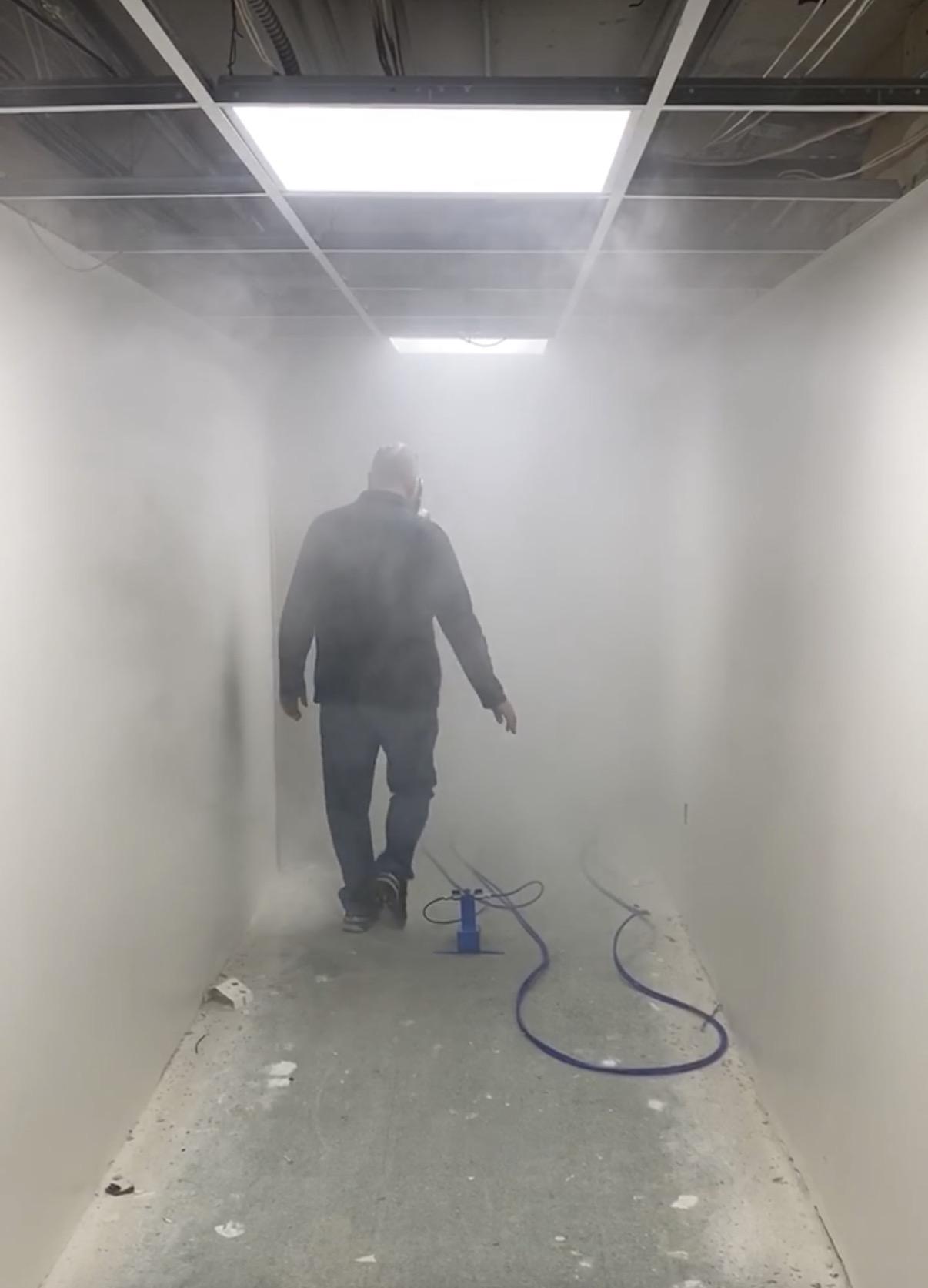
Water damage can affect a property in ways that are not always immediately visible. While standing water and damaged materials often receive prompt attention, hidden moisture may remain inside walls, beneath flooring, within crawlspaces, and above ceilings long after surfaces appear dry. These concealed conditions can influence indoor environmental quality and create favorable conditions for mold growth. Understanding why Richmond mold removal is essential after water damage helps property owners recognize the importance of addressing the entire indoor environment rather than focusing only on visible signs of damage.
Understanding the Connection Between Water Damage and Mold Growth
Water intrusion introduces excess moisture into a property, creating environmental conditions that may support mold growth if moisture remains trapped within building materials. Leaks, flooding, roof damage, and plumbing failures can all contribute to hidden dampness that persists beyond the initial event. Even when surfaces appear dry, moisture may continue affecting structural components and indoor environmental quality. Understanding the relationship between water damage and mold growth encourages property owners to evaluate the entire property rather than concentrating only on the visibly affected areas.
Hidden Moisture Often Remains After Surfaces Dry
Many building materials absorb water and release it slowly over time. Insulation, drywall, wood framing, and flooring systems can retain moisture long after visible water has disappeared. Because these areas are often concealed, dampness may remain unnoticed while environmental conditions continue changing. Hidden moisture can influence indoor air quality and contribute to mold development without producing immediate warning signs. Recognizing the presence of concealed moisture highlights the importance of thorough environmental evaluations following water damage.
Looking Beyond Visible Water Damage
Visible staining, warped materials, or damaged flooring often represent only a portion of the property's overall condition. Water frequently travels through structural cavities, insulation, and building materials, affecting areas far beyond the original source. Looking beyond visible damage provides a more complete understanding of indoor environmental conditions and helps identify hidden contributors that may influence long term property health. A comprehensive perspective supports healthier indoor environments and encourages proactive environmental management.
Water Can Travel Throughout the Structure
Moisture rarely remains confined to one location after a water related event. It can migrate through framing systems, beneath flooring, and behind finished surfaces, affecting multiple areas of the property. Because these pathways remain hidden from everyday view, environmental concerns may continue developing without obvious signs. Understanding how water moves through a building helps property owners appreciate why evaluating the entire structure is important for maintaining indoor environmental quality.
Understanding Whole Home Contamination Patterns
Water damage often affects more than the area where the original incident occurred. Airflow, humidity changes, and building design influence how moisture and mold related particles move throughout the property. Whole home contamination patterns help explain why environmental concerns may appear in different locations over time. Understanding these patterns supports a broader view of indoor environmental health and encourages evaluations that consider the property as a connected system rather than isolated spaces.
Viewing the Property as a Connected System
Every part of a building contributes to the overall indoor environment. Airflow pathways, structural connections, and moisture migration create relationships between rooms, levels, and hidden spaces. Conditions in one area may influence environmental quality elsewhere without producing immediate visual evidence. Viewing the property as a connected system provides valuable insight into how hidden moisture and contamination affect indoor conditions. This perspective supports more informed property care and healthier indoor environments.
The Role of HVAC Systems After Water Damage
Heating and cooling systems influence much more than indoor comfort. HVAC systems affect airflow throughout the property and help determine how moisture and airborne particles move between different rooms. When hidden moisture or mold exists in one location, airflow patterns may contribute to environmental influences elsewhere in the building. Understanding the role of HVAC systems provides valuable insight into indoor environmental quality and supports a more comprehensive evaluation of water damaged properties.
Airflow Patterns Affect Indoor Environmental Quality
Air naturally moves through buildings because of pressure differences, ventilation systems, and normal household activities. These airflow patterns influence how moisture and airborne particles travel throughout the structure. Hidden environmental concerns may therefore affect locations far from the original source of water damage. Understanding airflow behavior helps property owners recognize the interconnected nature of indoor environments and supports better long term environmental management.
Crawlspaces and the Stack Effect
Crawlspaces often have a significant impact on indoor environmental quality because they can collect moisture after water intrusion. Through the natural process known as the stack effect, air rises through the property and carries moisture and airborne particles into occupied spaces. Damp conditions within crawlspaces can therefore influence indoor environments throughout the building. Understanding this relationship helps explain why lower building areas deserve careful attention following water damage and during environmental evaluations.
Why Lower Building Areas Matter
Conditions within crawlspaces frequently influence indoor environments more than many property owners realize. Elevated humidity, moisture accumulation, and limited ventilation can contribute to concerns affecting the entire property. Because these conditions often remain hidden, they may continue influencing indoor environmental quality for extended periods. Understanding the relationship between lower building areas and occupied spaces supports a more comprehensive approach to evaluating environmental conditions after water damage.
Humidity Ecology and Long Term Property Health
Humidity ecology refers to the relationship between moisture levels and indoor environmental conditions. Water damage can significantly disrupt this balance by introducing excess moisture into the building. Elevated humidity may persist long after the initial event, creating favorable environmental conditions for mold growth. Understanding how humidity influences indoor environments helps property owners recognize the importance of maintaining balanced moisture levels. Proper humidity management contributes to healthier indoor air quality and improved long term property performance.
Seasonal Moisture Changes Can Increase Risks
Indoor humidity levels naturally fluctuate throughout the year because of changing weather conditions and everyday household activities. Cooking, bathing, and cleaning introduce additional moisture into indoor spaces. Following water damage, these seasonal changes may further affect environmental conditions if hidden dampness remains within the property. Understanding seasonal influences helps property owners recognize potential concerns before they become more extensive and supports healthier indoor environments.
Non Invasive Approaches to Environmental Assessment
Modern environmental evaluations often emphasize understanding property conditions before determining appropriate solutions. Non invasive assessment methods provide valuable insight into moisture patterns, airflow influences, and hidden environmental contributors without unnecessary disruption to the building. These approaches help property owners better understand indoor environmental quality and support informed decision making. A thorough environmental assessment encourages long term solutions focused on prevention, healthier indoor living, and improved building performance.
Creating Healthier Indoor Environments
Conclusion
Water damage often creates hidden environmental conditions that continue affecting a property long after visible moisture has disappeared. Hidden dampness, airflow patterns, humidity imbalances, crawlspace conditions, HVAC influences, and whole home contamination patterns all play important roles in indoor environmental quality. Addressing these interconnected factors helps support healthier living spaces and long term property protection. For professional guidance focused on environmental health and comprehensive indoor air quality solutions, Pure Air Mold Remediation provides expertise designed to help property owners maintain safer, healthier, and more comfortable indoor environments.
 Deutsch
 English
 Arabic
 French
 Spanish
 Portuguese
 Turkish
 Dutch
 Italiano
 Russian
 Romaian
 Portuguese (Brazil)
 Greek