


What Does the Child Abuse Awareness Ribbon Mean?
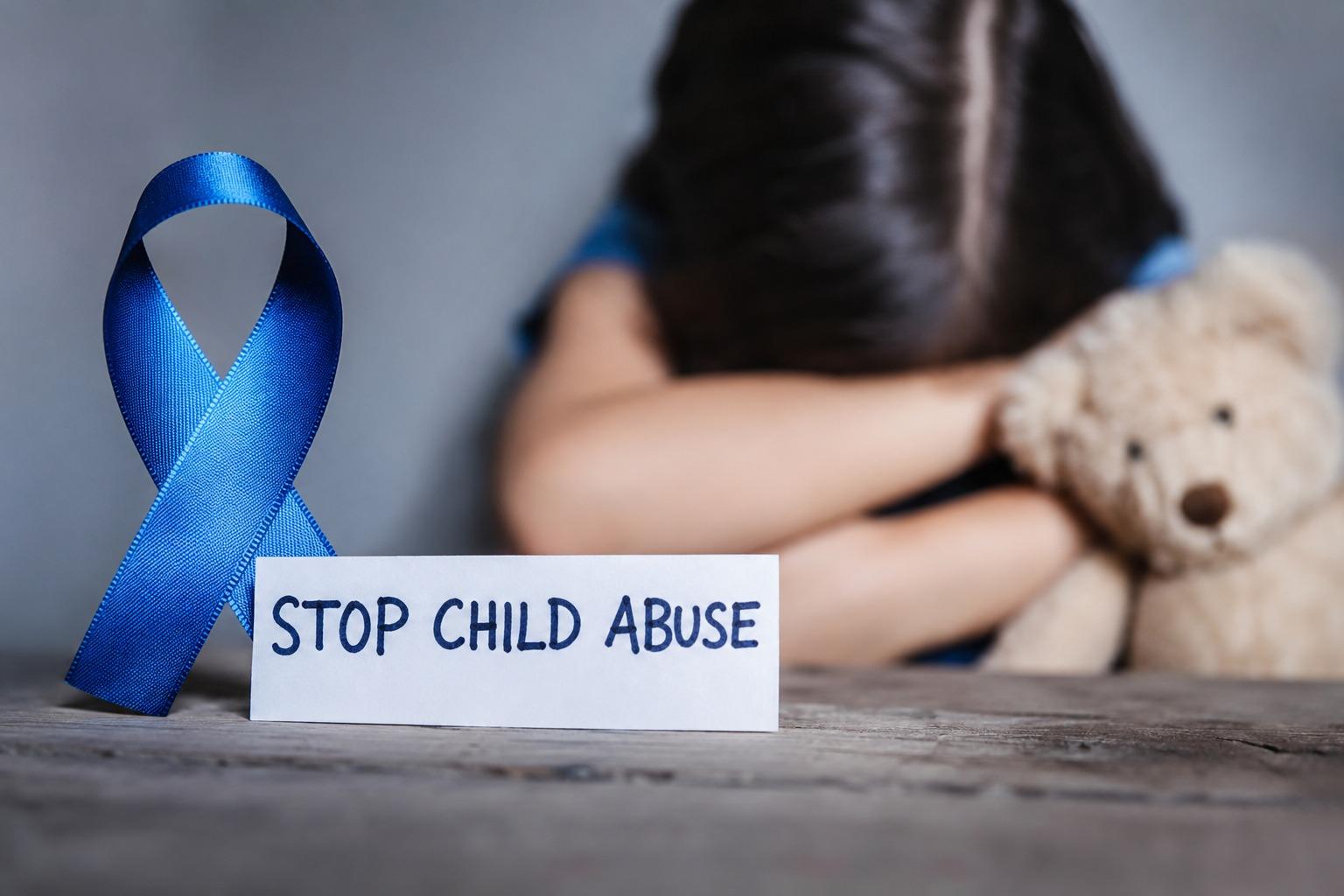
The Child Abuse Awareness Ribbon, often recognised by its distinctive blue colour, is more than just a symbol. It represents a shared commitment to protecting children, supporting survivors, and encouraging communities to take an active role in preventing abuse. While a simple ribbon cannot solve a complex issue, it can spark meaningful conversations, promote education, and remind people that every child deserves to grow up in a safe, caring environment.
People wear the blue ribbon for many reasons. Some do so to honour children who have experienced abuse, while others wear it to support prevention efforts or participate in awareness events during Child Abuse Prevention Month each April. Regardless of the reason, the ribbon serves as a visible sign that child safety matters and that everyone has a role to play in creating stronger, more supportive communities.
In this article, we'll explore what the Child Abuse Awareness Ribbon means, why it is blue, and how it continues to inspire awareness and advocacy across the United States.
What Does the Child Abuse Awareness Ribbon Represent?
The Child Abuse Awareness Ribbon is a symbol of hope, protection, compassion, and prevention. It reminds us that every child deserves to feel safe, respected, and supported throughout their childhood. By wearing the ribbon, individuals, families, educators, healthcare professionals, and community organisations demonstrate their commitment to raising awareness and encouraging conversations about protecting children.
The blue ribbon also represents solidarity with children and families affected by child abuse and neglect. Rather than focusing solely on the challenges, it encourages communities to work together to promote safe, stable, and nurturing environments where children can thrive. Understanding the different forms of abuse and the importance of prevention is an essential step in protecting vulnerable children. For more information, visit the Centers for Disease Control and Prevention (CDC) page on child abuse and neglect:
Over the years, the ribbon has become a widely recognised symbol at awareness campaigns, educational events, schools, workplaces, and community gatherings. Although wearing a ribbon alone cannot prevent abuse, it can encourage conversations that increase awareness, reduce stigma, and inspire people to learn how they can support child protection efforts in their own communities.
Perhaps the greatest meaning behind the Child Abuse Awareness Ribbon is that it represents hope for a future where every child grows up in a safe, loving, and supportive environment. It reminds us that awareness is often the first step toward positive change and that even small actions can contribute to a broader culture of care and prevention.
Why Is the Child Abuse Awareness Ribbon Blue?
The blue ribbon has become the recognised symbol of child abuse prevention because of a powerful story that inspired a nationwide movement in the United States. In 1989, a Virginia grandmother named Bonnie Finney tied a blue ribbon to the antenna of her car after the tragic loss of her grandson, who had suffered abuse. She chose the colour blue to represent the bruises left behind and to ensure that people would ask about the ribbon, creating an opportunity to talk about child abuse and the importance of protecting children.
Her simple act of remembrance and advocacy resonated with communities across the country. Over time, the blue ribbon became a widely recognised symbol of hope, awareness, and prevention. Today, it is worn by individuals, schools, businesses, healthcare professionals, and community organisations to encourage conversations about child safety and the importance of creating nurturing environments for children.
Although the ribbon's origins are rooted in one family's heartbreaking experience, its meaning has grown far beyond that story. Today, the blue ribbon stands as a reminder that preventing child abuse requires awareness, education, and the collective efforts of families, neighbours, educators, and community leaders.
How Is the Child Abuse Awareness Ribbon Used Today?
Today, the Child Abuse Awareness Ribbon is used in many ways to promote education and encourage community involvement. It is most commonly seen during National Child Abuse Prevention Month, observed every April in the United States, when organisations and volunteers host educational events, awareness walks, school programmes, fundraising initiatives, and community campaigns focused on child safety.
Beyond awareness events, many people choose to wear the ribbon throughout the year as a visible expression of support for children and families. It serves as a simple reminder that protecting children is a shared responsibility and that even small actions, such as starting a conversation or sharing reliable information, can help build stronger and safer communities.
Awareness products also play an important role in keeping the message visible. Blue ribbons, T-shirts, bracelets, lapel pins, and similar items are often worn during awareness campaigns, charity events, and community gatherings to encourage meaningful conversations. For those looking to wear or share a child abuse ribbon, these items can provide a respectful way to show support for child abuse prevention efforts.
While wearing a ribbon is a meaningful gesture, it is most effective when paired with education and action. Learning about preventing child abuse and neglect, supporting local prevention programmes, and encouraging safe, stable, and nurturing environments are all important ways to make a lasting impact.
How Can You Support Child Abuse Awareness?
Supporting child abuse awareness goes beyond wearing a ribbon. While awareness symbols are meaningful, lasting change comes from informed communities, open conversations, and a shared commitment to protecting children. Every individual can play a role, whether through education, advocacy, or supporting organisations that work to strengthen families and keep children safe.
One of the simplest ways to show support is by wearing a blue ribbon or other awareness items during Child Abuse Prevention Month or community events. These visible symbols can encourage conversations that help others learn about the importance of child safety and prevention. Even a brief discussion can increase awareness and inspire someone to explore reliable resources or become involved in local initiatives.
You can also support awareness by sharing factual information from trusted organisations, participating in community education programmes, or volunteering with local groups that focus on child and family well-being. Learning how to recognise potential warning signs and understanding the importance of early intervention can help create safer environments for children. The UNICEF resource on child protection offers valuable information about protecting children's rights and promoting safe, supportive communities worldwide.
Most importantly, remember that protecting children is a collective responsibility. Parents, educators, neighbours, healthcare professionals, community leaders, and policymakers all contribute to creating environments where children feel safe, supported, and valued. Awareness is most powerful when it inspires positive action, compassion, and a willingness to look out for one another.
Conclusion
The Child Abuse Awareness Ribbon is more than a blue ribbon worn during awareness campaigns. It represents hope, compassion, and a commitment to protecting children from abuse and neglect. What began as a powerful personal tribute has grown into a recognised symbol that encourages communities to learn, speak up, and support prevention efforts.
Whether you choose to wear a ribbon, participate in a local awareness event, or simply take the time to learn more about child protection, every action helps keep the conversation moving forward. By working together and supporting trusted child protection initiatives, we can all contribute to building safer, stronger communities where every child has the opportunity to grow up in a secure and caring environment.
Frequently Asked Questions
Why is the Child Abuse Awareness Ribbon blue?
The blue ribbon symbolises child abuse prevention and awareness. Its colour was inspired by a personal story that helped launch a national awareness movement in the United States, and today it serves as a symbol of hope, protection, and advocacy for children.
When is Child Abuse Prevention Month?
In the United States, National Child Abuse Prevention Month is observed every April. Communities across the country organise educational events, awareness campaigns, and activities that promote child safety and family support.
Can anyone wear a Child Abuse Awareness Ribbon?
Yes. Anyone who wants to show support for child abuse prevention and raise awareness can wear a Child Abuse Awareness Ribbon. It is commonly worn by parents, educators, healthcare professionals, community organisations, volunteers, and individuals who want to encourage conversations about protecting children.

 Arabic
 French
 Spanish
 Portuguese
 Deutsch
 Turkish
 Dutch
 Italiano
 Russian
 Romaian
 Portuguese (Brazil)
 Greek