


Probiotic Supplements: Common Ingredients and Their Benefits
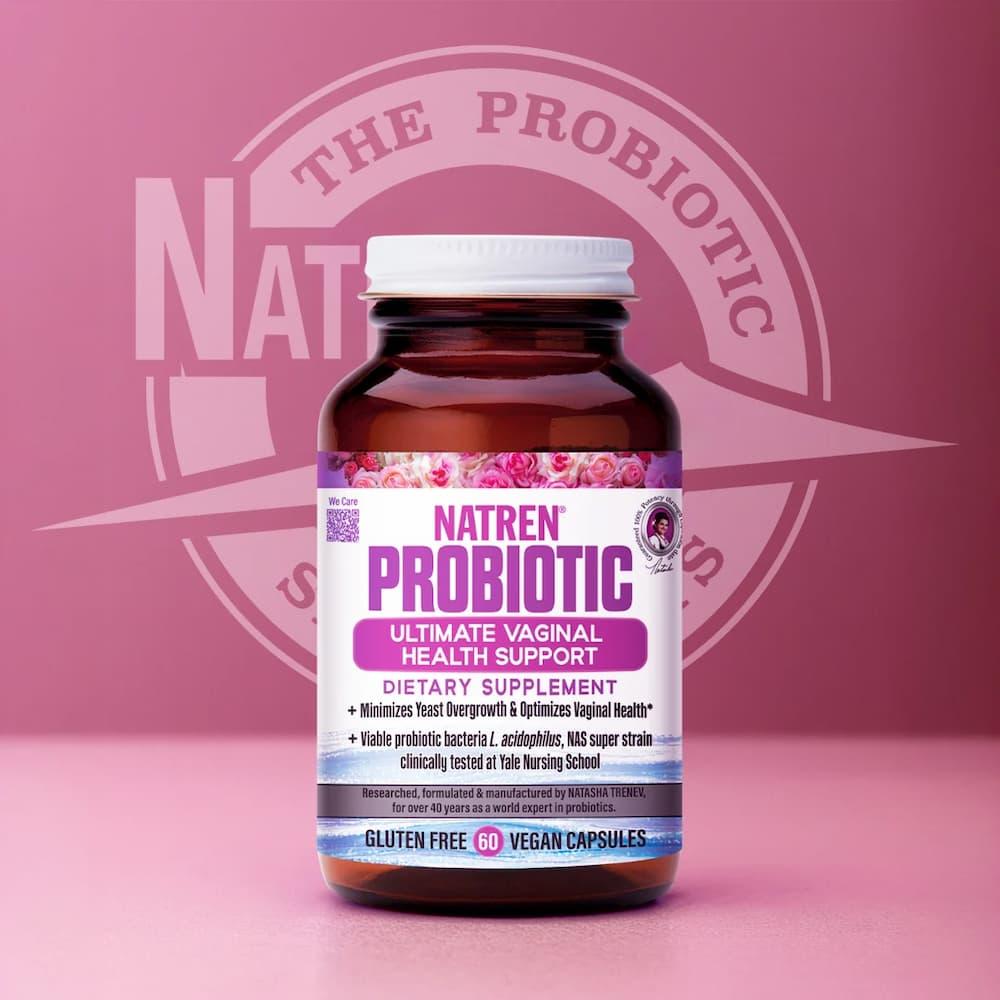
The world of digestive wellness has gained attention as more people explore natural ways to support everyday health and balance through nutrition and lifestyle choices. Many individuals are learning about probiotic supplements that contain beneficial microorganisms designed to support the body’s natural systems. These products are commonly used as part of a wellness routine because they may help maintain a balanced internal environment. Understanding their ingredients and benefits allows individuals to make informed decisions about including them in daily health practices.
Probiotic supplements contain live microorganisms that are often referred to as beneficial bacteria. These microorganisms naturally exist within the human body, especially in the digestive system, where they contribute to overall microbial balance. When certain factors affect this balance, such as dietary changes, stress, or environmental influences, probiotic products may help support a healthier microbial community. The effectiveness of these products depends on the specific strains, ingredients, quality, and individual health needs.
The Importance of Beneficial Bacteria
Beneficial bacteria play an important role in maintaining harmony within the digestive tract. These microorganisms interact with the body in several ways, including supporting digestion, nutrient absorption, and normal immune functions. A balanced microbial environment can contribute to overall wellness by helping the digestive system perform efficiently. Probiotic supplements are designed to introduce selected strains of helpful bacteria that may complement the microorganisms already present in the body.
Different probiotic strains provide different characteristics and potential benefits. Some strains are researched for digestive support, while others may be associated with immune system balance or general wellness. The variety of available strains allows individuals to choose products that align with their personal health goals. Understanding strain differences helps consumers recognize why one probiotic formula may work differently from another.
Common Ingredients Found in Probiotic Supplements
One of the most common ingredients in probiotic products is Lactobacillus, a group of bacteria naturally found in the digestive system and fermented foods. Various Lactobacillus strains are included in probiotic formulas because they are known for their ability to survive within the digestive environment. These bacteria may help maintain microbial balance and support normal digestive processes. The specific strain used can influence the overall characteristics and potential benefits of a probiotic product.
Another frequently used ingredient is Bifidobacterium, a bacterial group that naturally exists in the intestinal tract. Bifidobacterium strains are often included because they may support digestive comfort and contribute to a balanced gut environment. These microorganisms are especially common in products designed to promote everyday digestive health. Different strains within this group have unique properties, making ingredient selection an important factor when evaluating probiotic options.
Prebiotics and Supporting Ingredients
Many probiotic formulas include prebiotics, which are specialized fibers that serve as nourishment for beneficial bacteria. Prebiotics help create a supportive environment where good bacteria can grow and remain active. Ingredients such as certain plant based fibers may be included to enhance the overall effectiveness of probiotic products. The combination of probiotics and prebiotics is sometimes referred to as a synbiotic approach because both components work together to support microbial balance.
Some probiotic products also contain additional ingredients that support stability and product quality. These may include protective compounds that help maintain the strength of live cultures during storage. Since probiotics contain living microorganisms, proper formulation is important to preserve their activity. Consumers often consider ingredient lists carefully to understand what each product contains and how those components may contribute to their wellness routine.
Benefits Associated With Probiotic Supplements
One of the primary reasons individuals choose probiotic supplements is digestive support. A balanced microbial environment may help maintain comfortable digestion and regular digestive function. Certain probiotic strains have been studied for their ability to support normal intestinal activity and overall digestive wellness. While results can vary between individuals, many people include probiotics as part of a broader approach that includes healthy eating habits, proper hydration, and regular physical activity.
Probiotic supplements may also support immune health because a significant portion of the body’s immune activity is connected to the digestive system. Beneficial bacteria interact with the intestinal environment and may influence normal immune responses. Maintaining microbial balance can be an important part of supporting overall wellness. Although probiotics are not intended to replace medical treatments, they can serve as a helpful addition to a healthy lifestyle.
Supporting Everyday Wellness
Beyond digestion and immunity, probiotic products are often used to support general well being. A balanced internal environment may contribute to comfort, energy, and overall health. Many individuals include probiotics as part of their daily nutrition routine because they appreciate the potential advantages of maintaining healthy bacteria levels. Consistent use, combined with nutritious food choices, can help support long term wellness goals.
The benefits of probiotic supplements can depend on several factors, including the specific strains, dosage, storage conditions, and individual differences. Not every probiotic product provides identical results because each formula contains different microorganisms and supporting ingredients. Careful selection based on personal needs can help individuals find products that match their wellness preferences. Consulting healthcare professionals can also provide additional guidance when necessary.
Factors to Consider When Choosing Probiotic Supplements
Selecting the right probiotic product involves examining several important details. The type of bacterial strains, number of live cultures, ingredient quality, and storage requirements can influence product performance. Individuals should review labels carefully to understand what microorganisms are included and whether the formula meets their personal goals. A clear understanding of these factors helps consumers make educated choices when exploring probiotic options.
Quality and reliability are also important considerations when choosing probiotic products. Since probiotics contain living organisms, proper handling and manufacturing practices are essential for maintaining effectiveness. Consumers often look for products that provide clear ingredient information and demonstrate careful attention to product stability. Evaluating these factors can help individuals identify suitable options that fit into their daily health routines.
The Role of a Balanced Lifestyle
Probiotic supplements work best when combined with healthy lifestyle habits. A nutritious diet that includes fiber rich foods, adequate hydration, regular movement, and sufficient rest can support a healthy internal environment. Probiotics are one part of a complete wellness approach rather than a replacement for balanced nutrition. Individuals who maintain healthy routines may create conditions that allow beneficial bacteria to thrive.
Personal health goals and individual responses should also be considered when using probiotic products. Some people may notice benefits quickly, while others may require more time to observe changes. Factors such as diet, age, lifestyle, and existing microbial balance can influence outcomes. Understanding these differences allows individuals to approach probiotics with realistic expectations and make choices that support their unique wellness needs.
Conclusion
Probiotic supplements contain carefully selected microorganisms and supporting ingredients that may help promote digestive balance, immune support, and overall wellness. Common ingredients such as Lactobacillus, Bifidobacterium, and prebiotic fibers contribute to the potential benefits associated with these products. Understanding how these ingredients function allows individuals to make informed decisions about their health routines. High quality probiotic options from trusted sources, including Natren Inc, can provide individuals with reliable choices when exploring ways to support their wellness goals.
 Romaian
 English
 Arabic
 French
 Spanish
 Portuguese
 Deutsch
 Turkish
 Dutch
 Italiano
 Russian
 Portuguese (Brazil)
 Greek