


Dengue Test: Types, Purpose, Procedure & Understanding the Results
Dengue is a mosquito-borne viral infection that affects millions of people every year, especially during the monsoon and post-monsoon seasons. It spreads through the bite of an infected Aedes mosquito and can cause symptoms ranging from mild fever to severe illness. Early diagnosis is important for proper medical care and monitoring. A Dengue Test helps detect the infection and enables doctors to recommend the right treatment based on the stage of the disease.
In this article, you'll learn about the different types of Dengue Tests, why they are performed, the testing procedure, and how to interpret the results.
What Is a Dengue Test?
A Dengue Test is a laboratory test used to detect the dengue virus or the body's immune response to the infection. Depending on the duration of symptoms, doctors may recommend different types of dengue tests to confirm the diagnosis.
Timely testing plays an important role in identifying the infection, monitoring disease progression, and preventing complications.
Types of Dengue Tests
Several laboratory tests are available to diagnose dengue infection.
NS1 Antigen Test
The NS1 Antigen Test detects the dengue virus protein (NS1) in the blood. It is most useful during the first 1 to 5 days after symptoms begin, making it an effective test for early diagnosis.
Dengue IgM Antibody Test
The Dengue IgM Test detects IgM antibodies produced by the immune system after dengue infection. These antibodies usually become detectable from 4 to 5 days after the onset of symptoms.
Dengue IgG Antibody Test
The Dengue IgG Test identifies IgG antibodies, which may indicate a past dengue infection or a later stage of the current infection. It is often used along with the IgM test for better clinical assessment.
RT-PCR Test
The RT-PCR (Reverse Transcription Polymerase Chain Reaction) Test detects the genetic material of the dengue virus. It is highly accurate during the early phase of infection and is commonly used in specialised laboratories.
Why Is a Dengue Test Done?
Your doctor may recommend a Dengue Test if you have symptoms such as:
- High fever
- Severe headache
- Pain behind the eyes
- Muscle and joint pain
- Skin rash
- Nausea or vomiting
- Extreme tiredness
- Mild bleeding from the gums or nose
Testing may also be advised if you live in or have recently travelled to an area experiencing dengue outbreaks.
How Is the Dengue Test Performed?
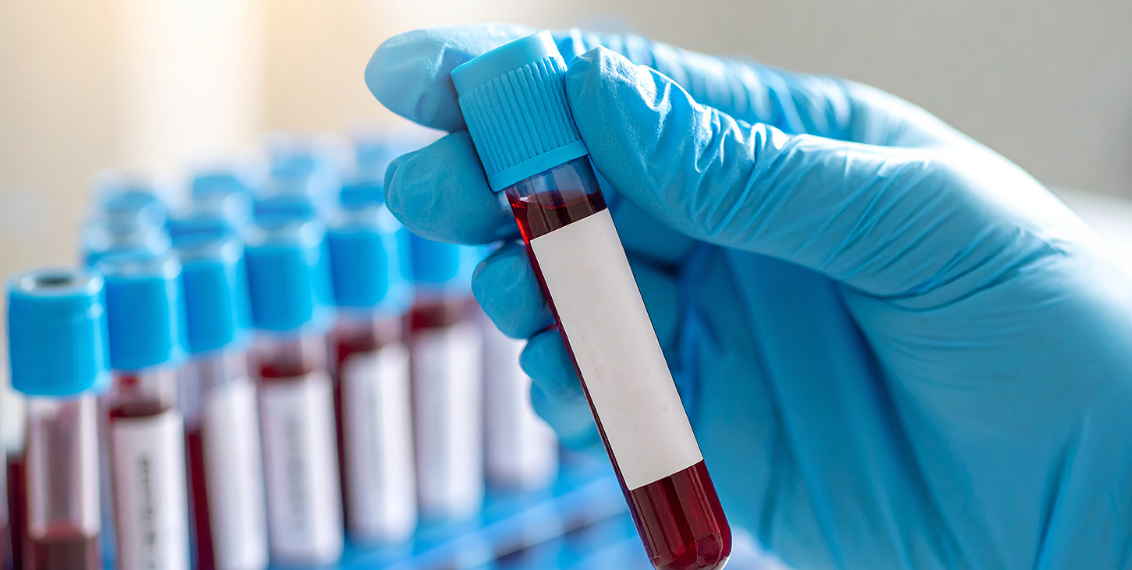
A Dengue Test is a simple blood test.
The procedure generally includes:
- A healthcare professional collects a small blood sample from a vein in your arm.
- The sample is sent to a laboratory for analysis.
- The appropriate test is performed based on the duration of your symptoms.
- Reports are usually available within 24 to 48 hours, depending on the laboratory and test type.
The blood collection process takes only a few minutes.
Do You Need Any Preparation?
A Dengue Test usually does not require fasting.
However, you should:
- Inform your doctor about your symptoms and when they started.
- Share details of any medications you are taking.
- Follow any instructions provided by your healthcare provider or laboratory.
Understanding Dengue Test Results
The interpretation depends on the type of test performed and the stage of infection.
- NS1 Positive: May indicate an early dengue infection.
- IgM Positive: Suggests a recent dengue infection.
- IgG Positive: May indicate a previous infection or a later stage of the current infection.
- Negative Result: A negative result does not always rule out dengue, especially if the test is performed too early. Your doctor may recommend repeat testing if symptoms continue.
Doctors interpret the results along with your symptoms, physical examination, and other laboratory findings.
Additional Tests That May Be Recommended
Along with a Dengue Test, your doctor may advise other investigations to monitor your condition, such as:
- Complete Blood Count (CBC)
- Platelet Count
- Haematocrit (HCT)
- Liver Function Tests (LFT)
These tests help evaluate disease severity and monitor recovery.
How to Prevent Dengue
Although there is no specific cure for dengue, you can reduce the risk of infection by following preventive measures:
- Prevent mosquito breeding by eliminating standing water.
- Use mosquito repellents.
- Wear full-sleeved clothing.
- Install mosquito screens or use mosquito nets.
- Keep your surroundings clean.
- Stay indoors during peak mosquito biting hours whenever possible.
Conclusion
A Dengue Test is essential for the early diagnosis and effective management of dengue infection. Different tests, including NS1, IgM, IgG, and RT-PCR, are recommended depending on how long you've had symptoms. If you experience high fever, severe body aches, or other signs of dengue, consult a healthcare professional promptly. Early diagnosis, regular monitoring, and timely medical care can help reduce the risk of serious complications and support a smoother recovery.
Frequently Asked Questions (FAQs)
1. What is a Dengue Test?
A Dengue Test is a blood test used to detect the dengue virus or antibodies produced by the body in response to dengue infection.
2. Which Dengue Test is best for early detection?
The NS1 Antigen Test and RT-PCR Test are generally most useful during the early stage of dengue infection.
3. Is fasting required for a Dengue Test?
No. Fasting is generally not required unless your doctor provides specific instructions.
4. How long does it take to receive Dengue Test results?
Most laboratories provide reports within 24 to 48 hours, although the exact turnaround time may vary.
5. Can a negative Dengue Test rule out dengue?
Not always. If the test is performed very early in the illness, your doctor may recommend repeating the test or performing additional investigations based on your symptoms.

 Arabic
 French
 Spanish
 Portuguese
 Deutsch
 Turkish
 Dutch
 Italiano
 Russian
 Romaian
 Portuguese (Brazil)
 Greek