


Plastic Industry Sustainability Efforts Focus on Circular Economy Solutions
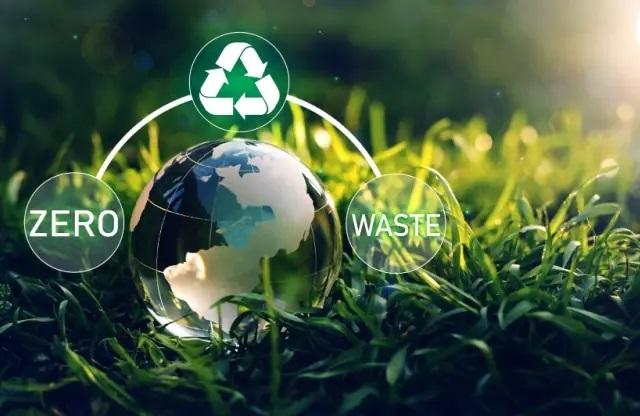
Across manufacturing, packaging, and recycling operations, plastic industry sustainability efforts are increasingly centered on a single organizing principle: keeping materials in use for as long as possible rather than treating plastic as a single-use resource destined for disposal. This shift toward circular economy thinking represents one of the most significant changes in how the industry approaches sustainability planning today.
Rather than focusing narrowly on reducing waste at the point of disposal, circular economy solutions aim to redesign the entire lifecycle of plastic products, from initial material selection through end-of-life recovery, so that value is preserved and reused rather than lost.
Understanding the Circular Economy Approach
A circular economy model differs fundamentally from the traditional linear approach of making, using, and discarding products. Instead, it emphasizes designing products for durability, repairability, and recyclability from the outset, while also building the infrastructure needed to recover and reprocess materials efficiently once a product reaches the end of its useful life.
For plastic industry sustainability specifically, this means rethinking product design decisions that were once made primarily for cost or performance reasons, evaluating instead how those decisions affect a product's recyclability or potential for reuse.
Core Elements of Circular Economy Solutions
Several interconnected elements typically define circular economy efforts within the plastics sector. These include:
- Designing packaging and products with recyclability in mind from the earliest development stages
- Increasing the use of recycled content in new products to reduce reliance on virgin material
- Expanding chemical and mechanical recycling infrastructure to handle a broader range of plastic types
- Improving collection and sorting systems to ensure materials actually reach appropriate recycling facilities
- Encouraging reuse and refill models for certain packaging categories where feasible
- Strengthening partnerships between manufacturers, recyclers, and municipalities to close material loops
Together, these elements form a more integrated approach to plastic industry sustainability, one that treats waste reduction as a design consideration rather than an afterthought.
The Growing Role of Recycled Content
One of the clearest indicators of circular economy progress within the plastics sector is the increasing use of recycled content in manufacturing. Companies are investing more heavily in securing reliable sources of post-consumer resin, both to meet emerging regulatory requirements and to satisfy customer demand for verifiably sustainable products.
This demand has, in turn, encouraged further investment in recycling infrastructure capable of producing consistent, high-quality recycled material suitable for a wider range of applications. As this infrastructure matures, plastic industry sustainability efforts increasingly rely on a steady supply of recycled feedstock rather than treating recycled content as a limited or specialty option.
Extended Producer Responsibility and Circularity
Extended producer responsibility programs, now active or under development in a growing number of states, play a direct role in advancing circular economy solutions. These programs generally require producers to take financial and, in some cases, operational responsibility for managing the packaging they introduce into the market, creating a direct incentive to design products that are easier to recycle or reuse.
While implementation details continue to vary and evolve across different states, the underlying goal remains consistent with broader circular economy principles: shifting responsibility for end-of-life material management further upstream, toward the companies making initial design decisions.
Challenges in Scaling Circular Solutions
Despite meaningful progress, scaling circular economy solutions across the plastics industry presents real challenges. Chemical recycling, while promising, still represents a relatively small share of overall material recovery, and building out sufficient infrastructure requires significant capital investment and long development timelines.
Collection and sorting systems also vary considerably by region, meaning that even well-designed, recyclable products may not always end up properly processed if local infrastructure cannot support their recovery. Addressing this gap remains an ongoing priority for plastic industry sustainability initiatives, requiring coordination between manufacturers, recyclers, and local governments.
Collaboration Across the Value Chain
Because circular economy solutions depend on cooperation across multiple stages of the supply chain, collaborative industry efforts have become increasingly important. Manufacturers alone cannot close material loops without corresponding investment in collection infrastructure, sorting technology, and end-market demand for recycled material.
Advisory groups within the plastics industry play a valuable role in facilitating this kind of cross-sector collaboration, helping align the priorities of manufacturers, recyclers, and policymakers around shared circular economy goals rather than allowing efforts to remain fragmented across the industry.
Measuring Progress Toward Circularity
Tracking progress toward circular economy goals requires more nuanced measurement than simply counting recycling rates. Plastic industry sustainability efforts increasingly incorporate broader metrics, including the percentage of recycled content in new products, the recyclability of packaging design, and the overall material recovery rate across different plastic categories.
These more comprehensive metrics provide a clearer picture of how effectively circular economy principles are being implemented in practice, rather than relying on a single data point that may not reflect the full complexity of material recovery systems.
Addressing Gaps in Collection Infrastructure
Even well-designed recyclable products cannot support meaningful circularity if collection infrastructure fails to capture them effectively. Many regions still lack consistent curbside collection for certain plastic categories, creating a gap between what is technically recyclable and what actually gets recovered in practice.
Closing this gap requires investment beyond manufacturing and processing alone, extending into municipal collection systems and public education efforts that help residents understand what materials belong in recycling streams. Plastic industry sustainability initiatives increasingly recognize that circular economy success depends on this full chain functioning together, rather than any single link operating in isolation.
Consumer Expectations and Market Demand
Consumer awareness of circular economy concepts has grown substantially in recent years, adding another layer of pressure driving plastic industry sustainability efforts forward. Shoppers increasingly consider recyclability and recycled content when evaluating products, and retailers have responded by setting their own sustainability requirements for suppliers, sometimes exceeding existing regulatory minimums.
This market-driven pressure complements regulatory requirements rather than replacing them, creating multiple overlapping incentives for manufacturers to pursue circular economy solutions even in jurisdictions where formal extended producer responsibility programs have not yet taken effect.
Building Momentum for the Long Term
Sustaining momentum behind circular economy solutions will likely require continued patience, given how long infrastructure development and regulatory implementation typically take to mature. Even so, the direction of current investment and policy activity suggests the industry is committed to this path for the long term rather than treating it as a passing trend.
Looking Toward Continued Progress
As recycling technology continues to mature and regulatory frameworks become more established, circular economy solutions are likely to become an even more central component of plastic industry sustainability strategy. This shift reflects a broader industry recognition that long-term sustainability depends on rethinking material flows at every stage, not simply managing waste after it has already been generated.
Conclusion
Circular economy solutions represent one of the most promising paths forward for plastic industry sustainability, offering a framework that addresses material recovery, product design, and supply chain collaboration together rather than in isolation. As these efforts continue to develop, sustained coordination across the industry will remain essential to achieving meaningful, lasting progress. The Plastics Industry Association supports this work through its Sustainability Advisory Board, helping guide collaborative solutions across the value chain. To learn more, visit our website at Plastics Industry Association.

 English
 French
 Spanish
 Portuguese
 Deutsch
 Turkish
 Dutch
 Italiano
 Russian
 Romaian
 Portuguese (Brazil)
 Greek