


What Should You Know About Radon Testing?
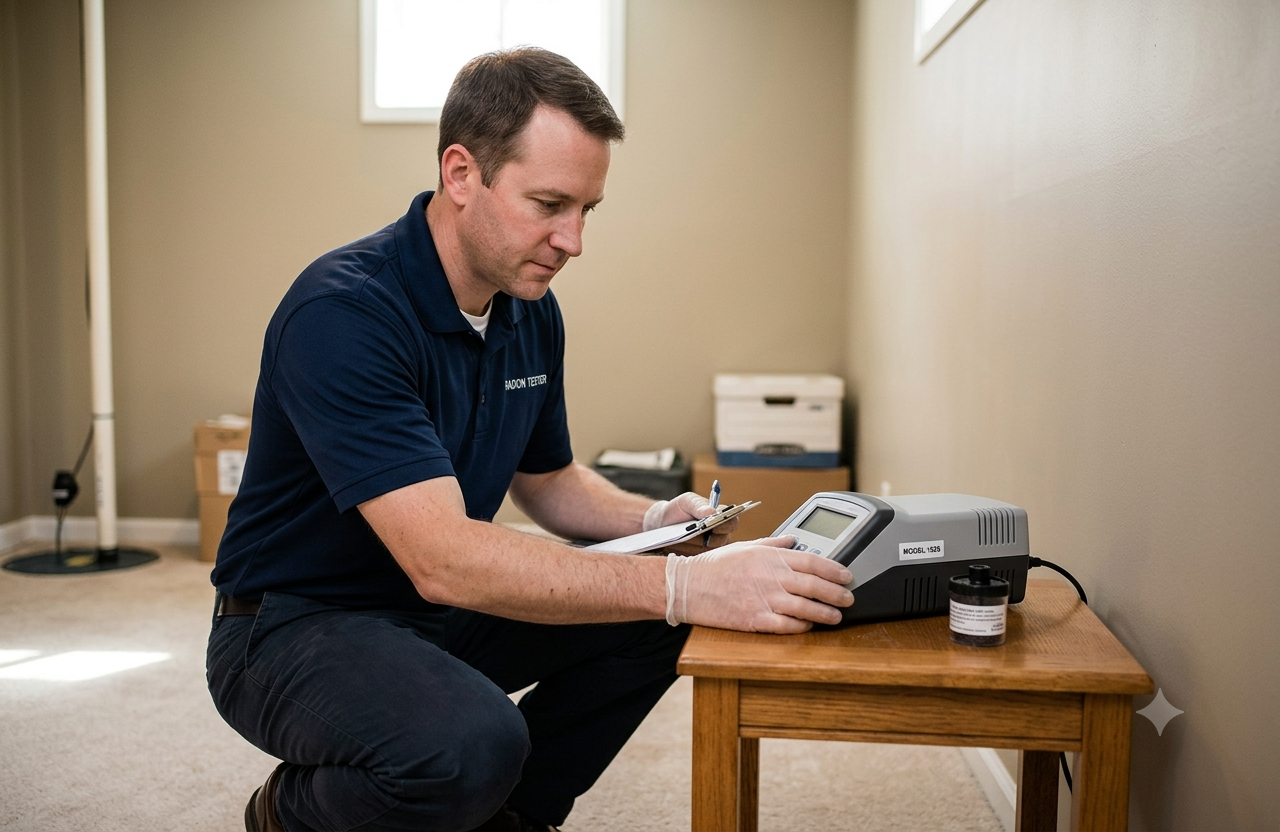
Radon testing is an important part of maintaining a safe and healthy indoor environment. Radon is a naturally occurring radioactive gas that can enter homes and buildings from the soil and rock beneath them. Because it is colorless, odorless, and tasteless, people cannot detect it without specialized testing equipment.
Many homeowners may not think about radon because it cannot be seen or smelled. However, testing can help determine whether elevated radon levels are present inside a property. Understanding how radon testing works, when it should be performed, and what the results mean can help property owners make informed decisions about indoor air quality.
What Is Radon?
Radon is a radioactive gas produced naturally when uranium in soil and rock breaks down. It can move through cracks and openings in the ground and eventually enter buildings. Common entry points include foundation cracks, gaps around pipes, sump pits, floor drains, and construction joints.
Once radon enters an enclosed space, it can accumulate. Concentrations may vary from one building to another, and even neighboring properties can have different radon levels. This is why testing an individual property is more reliable than assuming a home is safe based on nearby buildings.
Why Is Radon Testing Important?
The primary purpose of radon testing is to determine the concentration of radon inside a building. Since there is no reliable way to identify radon by sight, smell, or taste, testing is the only practical way to know whether elevated levels are present.
Regular radon testing can be particularly useful when purchasing or selling a property, moving into a new home, finishing a basement, or making significant changes to a building. Testing can also provide useful information when a previous test was performed several years ago.
A home that tested at a low level in the past may not necessarily have the same result today. Changes in soil conditions, ventilation, foundation conditions, or building use can influence indoor radon concentrations.
How Does Radon Enter a Home?
Radon typically enters buildings through openings between the structure and the surrounding soil. Because indoor air pressure can be lower than the pressure in the soil beneath a building, radon may be drawn inside.
Some common entry points include:
- Cracks in concrete floors and foundations
- Gaps around utility pipes
- Construction joints
- Sump pits
- Floor drains
- Crawl spaces
- Unsealed openings around foundations
The type and condition of a building's foundation can affect how radon enters. Homes with basements, crawl spaces, or slab-on-grade foundations can all potentially have elevated radon levels.
What Happens During Radon Testing?
Radon testing generally involves placing a specialized testing device in an appropriate area of the building. Depending on the testing method, the device may remain in place for a short-term or long-term period.
During a test, the testing area should normally represent the lowest lived-in level of the property. Doors and windows may need to remain closed as much as practical during a short-term test so that unusual ventilation does not significantly influence the measurement.
After the testing period, the device is collected or analyzed according to the testing method. The resulting measurement provides an estimate of the radon concentration during the testing period.
Short Term and Long Term Radon Testing
There are two common approaches to radon testing: short-term and long-term testing.
Short Term Radon Testing
Short-term tests generally provide results over a relatively brief period. They can be useful when a homeowner needs information quickly, such as during a real estate transaction or when investigating a potential indoor air quality concern.
However, radon concentrations can fluctuate from day to day and season to season. Therefore, a short-term measurement represents conditions during a particular testing period rather than necessarily describing the property's annual average.
Long Term Radon Testing
Long-term testing is conducted over a much longer period and can provide a more representative picture of average radon exposure. Because radon levels naturally fluctuate, collecting measurements over an extended period can help account for some of those variations.
The appropriate testing method depends on the purpose of the test, the property, and applicable local recommendations.
Where Should Radon Testing Be Conducted?
Testing should generally focus on the lowest level of the building that is regularly occupied or could reasonably become occupied. For example, if a basement contains a bedroom, family room, or home office, it may be an appropriate location for testing.
Testing equipment should be positioned correctly and kept away from areas where it could be disturbed. It should also be placed according to the requirements of the particular testing device or testing protocol.
Correct placement is important because an improperly positioned device may produce results that do not accurately represent the indoor environment.
What Can Affect Radon Test Results?
Several factors can influence radon concentrations and testing conditions. Weather, ventilation, building pressure, foundation conditions, and seasonal changes can all play a role.
For example, colder weather may change how a building is ventilated and how air moves between the soil and indoor spaces. Opening windows or using ventilation equipment can also affect indoor air movement.
Because radon levels can change over time, one test should be interpreted within the context of the testing period and the method used.
What Should You Do After a Radon Test?
The next step depends on the test results. If the measured level is low, homeowners may simply choose to keep the results for their records and consider future testing according to local guidance.
If the result indicates elevated radon, it is important not to panic. Instead, property owners should review the test results with a qualified radon professional and determine whether additional testing or mitigation is appropriate.
Radon mitigation systems are designed to reduce radon entry or concentration inside a building. A professional can evaluate the property and recommend an approach based on its foundation, construction, and measured radon levels.
When Should You Consider Radon Testing?
Homeowners should consider radon testing when moving into a new property, buying a home, selling a property, or making major structural changes. Testing may also be appropriate when a previous test is outdated or when the building's foundation has changed.
Testing can be especially valuable for properties with occupied basements or other lower-level living spaces because these areas can be closer to the soil where radon originates.
Why Professional Radon Testing Can Be Valuable
Professional radon testing can help ensure that the testing process is performed according to appropriate procedures. A qualified professional can select a suitable testing location, use the correct equipment, maintain proper testing conditions, and explain the results.
Professional guidance can also be useful when results are unexpectedly high or when additional testing is needed to confirm an initial measurement.
Conclusion
Radon testing is a practical way to learn whether elevated radon concentrations may be present inside a home or building. Since radon cannot be detected through normal human senses, testing provides essential information that cannot be obtained through visual inspection alone.
Understanding how radon enters a property, how testing devices work, and how short-term and long-term testing differ can help homeowners make informed decisions. If testing identifies elevated radon levels, professional advice can help determine whether additional testing or mitigation should be considered.
Ultimately, radon testing is an important step toward understanding indoor air quality and making responsible decisions about the safety and condition of a property.
 Dutch
 English
 Arabic
 French
 Spanish
 Portuguese
 Deutsch
 Turkish
 Italiano
 Russian
 Romaian
 Portuguese (Brazil)
 Greek