


Why Are Semiconductors Critical for Reliable and High-Performance Electronic Systems?
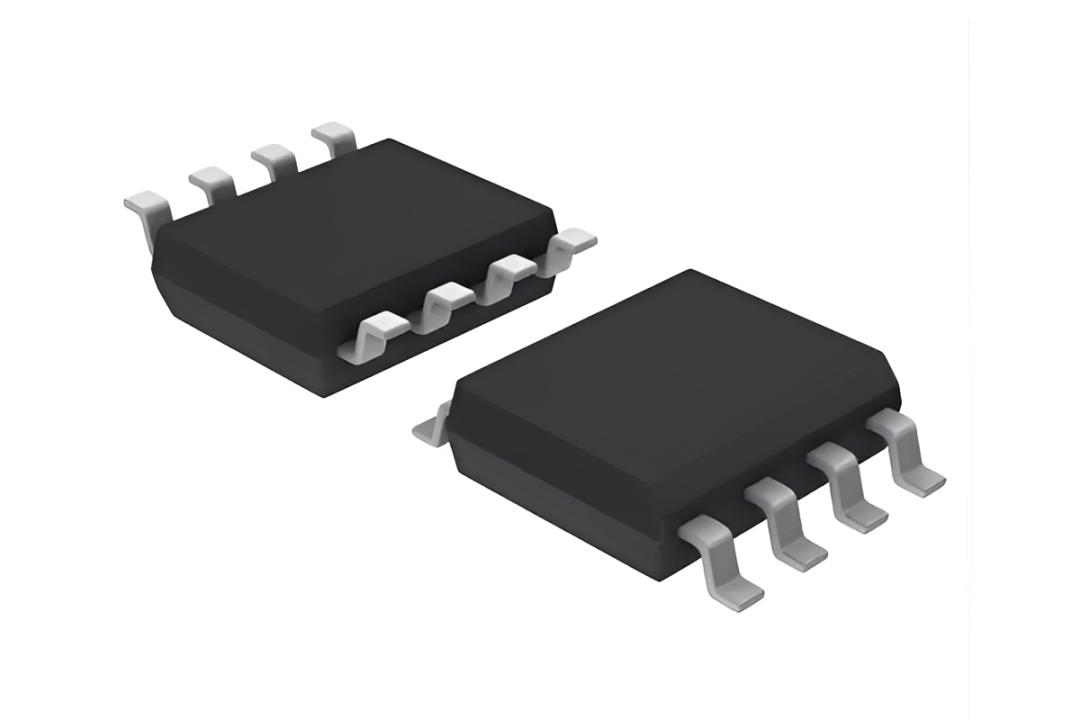
Semiconductors are essential to the performance, reliability, and intelligence of modern electronic systems. They are used wherever electrical signals need to be controlled, processed, converted, stored, or measured. Their presence extends across industrial automation, transportation, healthcare, telecommunications, computing, energy management, aerospace, consumer electronics, and scientific equipment.
The key advantage of Semiconductors is their ability to regulate electrical behaviour with exceptional precision. Unlike ordinary conductive materials, their electrical properties can be engineered for specific functions. This allows manufacturers to produce components designed for switching, amplification, sensing, voltage regulation, data processing, and power management.
As electronic systems become more sophisticated, semiconductor technology is increasingly responsible for improving operational accuracy, reducing energy consumption, increasing processing capability, and supporting safer system designs.
What Makes Semiconductors Suitable for Precision Electronics?
Precision electronics require components that can respond consistently to small electrical changes. Semiconductors are particularly suitable because their electrical characteristics can be carefully controlled during design and manufacturing.
They can operate with extremely small signals while also being engineered to manage substantial levels of electrical power in demanding applications.
This flexibility allows Semiconductors to support:
- Accurate signal measurement
- Fast switching operations
- Sensitive detection systems
- Stable voltage regulation
- High-speed digital processing
- Efficient power conversion
- Automated control functions
- Compact circuit design
The ability to deliver repeatable performance makes semiconductor devices valuable in applications where even minor electrical inaccuracies can affect system operation.
How Do Semiconductors Improve Electronic System Reliability?
Reliability is an important consideration in any electronic design, particularly when equipment must operate continuously or under challenging environmental conditions.
Semiconductors can improve reliability by reducing the need for larger mechanical switching systems and enabling electronic functions to operate with fewer moving components.
Solid-state semiconductor devices can perform switching and control operations at high speeds without mechanical contacts. This helps reduce wear and allows electronic systems to complete large numbers of switching cycles.
Reliability can also be improved through semiconductor protection devices that monitor voltage, current, temperature, and other electrical conditions.
These devices can help prevent:
- Overvoltage damage
- Excessive current
- Thermal overload
- Reverse polarity
- Short-circuit conditions
- Unstable power delivery
- Electrical noise
Properly selected semiconductor protection can therefore improve equipment life and reduce the risk of unexpected electronic failure.
Why Are Semiconductors Important in Safety Systems?
Electronic safety systems rely on fast and accurate information processing. Semiconductor sensors, processors, and switching devices allow equipment to identify unsafe conditions and respond rapidly.
In automotive systems, Semiconductors can support braking control, collision detection, airbag activation, tyre monitoring, and driver assistance.
In industrial environments, they can support safety relays, emergency shutdown systems, machine guarding, temperature monitoring, and fault detection.
Common safety-related semiconductor applications include:
- Smoke detection
- Motion sensing
- Pressure monitoring
- Overtemperature protection
- Current monitoring
- Proximity detection
- Voltage protection
- Equipment diagnostics
The ability to monitor conditions continuously allows electronic systems to identify potential problems before they develop into serious failures.
How Are Semiconductors Used in Aerospace and Aviation?
Aerospace electronics require components capable of operating accurately under demanding conditions. Aircraft systems rely on Semiconductors for communication, navigation, monitoring, flight control, power management, and instrumentation.
Modern aviation systems contain advanced electronic networks that continuously collect and process information from numerous sensors.
Semiconductor devices are used in:
- Navigation systems
- Flight computers
- Radar equipment
- Communication systems
- Engine monitoring
- Power distribution
- Cabin electronics
- Environmental control
- Sensor networks
- Data recording systems
Components intended for aerospace use may require strict performance standards because they can be exposed to temperature changes, vibration, electrical stress, and demanding operating environments.
What Role Do Semiconductors Play in Medical Technology?
Medical technology increasingly depends on compact, accurate, and energy-efficient electronics. Semiconductors make it possible to create equipment that can measure biological signals, process diagnostic data, control medical procedures, and monitor patient conditions.
Semiconductor sensors can detect very small physical or electrical changes, making them suitable for sensitive medical applications.
They are commonly used in:
- Diagnostic instruments
- Patient monitors
- Imaging systems
- Portable medical devices
- Laboratory analysers
- Pulse monitoring equipment
- Temperature measurement devices
- Hearing systems
- Wearable health technology
- Infusion equipment
The combination of sensing, processing, and communication capabilities allows medical equipment to become more portable, responsive, and precise.
How Do Semiconductors Support Industrial Control Systems?
Industrial control systems depend on reliable electronic components to monitor machines, process information, and regulate equipment.
Semiconductors are used inside programmable controllers, sensors, drives, communication modules, power supplies, and machine interfaces.
A modern manufacturing process may use sensors to collect information about temperature, pressure, speed, position, or product quality. Semiconductor processors analyse this information and determine the appropriate control action.
This technology supports:
- Automated production
- Process monitoring
- Quality control
- Robotic movement
- Motor speed regulation
- Machine diagnostics
- Predictive maintenance
- Remote monitoring
- Safety control
By processing information rapidly, Semiconductors allow industrial systems to respond to changing conditions with minimal delay.
Why Are Semiconductors Important for Motor Control?
Electric motors are widely used in manufacturing, HVAC systems, transportation, pumps, compressors, robotics, and material handling equipment.
Semiconductor power devices allow electrical energy supplied to a motor to be controlled accurately.
Variable speed drives use semiconductor switching components to adjust motor speed according to application requirements. Instead of operating a motor continuously at maximum output, the system can deliver only the power required.
This provides benefits such as:
- Improved energy efficiency
- Better speed control
- Reduced mechanical stress
- Smoother starting
- Improved process accuracy
- Lower operating costs
- Better equipment protection
Efficient semiconductor-based motor control is particularly valuable in large industrial facilities where electric motors can represent a significant portion of total energy consumption.
How Do Semiconductors Contribute to Renewable Energy Technology?
Renewable energy systems require advanced power electronics to convert, regulate, and distribute electricity.
Solar panels and wind turbines generate electrical energy that must often be converted into a suitable form before it can be supplied to equipment or electrical networks.
Semiconductors enable this conversion through inverters, converters, rectifiers, and switching devices.
They are also important in:
- Battery energy storage
- Solar charging systems
- Wind power equipment
- Smart electrical grids
- Energy monitoring
- Power factor control
- Voltage regulation
- Electric vehicle charging
Efficient power Semiconductors can reduce conversion losses, helping renewable energy installations transfer a greater percentage of generated electricity to usable applications.
What Is the Connection Between Semiconductors and Data Processing?
Digital information is represented electronically through controlled electrical states. Semiconductors enable these states to be created, changed, stored, and interpreted.
Processors contain vast numbers of transistor structures that perform logical operations. These operations allow computers and electronic controllers to handle instructions, calculations, images, communication data, and sensor information.
Semiconductor-based data processing is used throughout:
- Computers
- Industrial controllers
- Communication equipment
- Smart appliances
- Automotive electronics
- Artificial intelligence hardware
- Security equipment
- Scientific systems
Modern processing technology depends on achieving high performance while controlling power consumption and heat generation.
Which Conditions Affect Semiconductor Performance?
Semiconductor devices must be selected according to their intended operating environment. Electrical performance can be influenced by several factors.
Important conditions include:
- Temperature
- Supply voltage
- Load current
- Switching frequency
- Humidity
- Mechanical vibration
- Heat dissipation
- Electrical interference
- Circuit design
- Cooling capability
Temperature is particularly important because excessive heat can increase electrical losses and reduce component life.
Designers often use thermal management systems, heatsinks, airflow, or specialised packaging to maintain safe semiconductor operating temperatures.
Why Does Semiconductor Quality Matter in Electronic Manufacturing?
Component quality can directly influence the reliability of the final electronic product. Poor-quality or unsuitable semiconductor devices may cause unstable operation, overheating, premature failure, or inconsistent performance.
Manufacturers and technical buyers should consider:
- Component authenticity
- Manufacturer specifications
- Traceability
- Environmental ratings
- Electrical tolerance
- Packaging quality
- Storage conditions
- Product lifecycle
- Application compatibility
- Reliability requirements
Using appropriate, correctly sourced Semiconductors is especially important in industrial, medical, transportation, and safety-related applications where equipment failure can have significant consequences.
How Will Semiconductors Advance the Next Generation of Technology?
Future electronic systems will require greater intelligence, higher efficiency, faster communication, and more accurate control. Semiconductors will remain fundamental to these developments.
New semiconductor designs are supporting advanced robotics, autonomous transportation, renewable energy, intelligent factories, medical innovation, high-speed communication, and powerful computing platforms.
Improved materials and manufacturing techniques are also helping engineers develop components capable of operating at higher temperatures, voltages, and switching frequencies.
Semiconductors will continue to connect sensing, computing, communication, and power management into increasingly integrated systems. Their ability to provide precise electrical control makes them essential not only to today’s electronics but also to the development of future technologies that demand greater reliability, efficiency, and intelligent performance.
 Greek
 English
 Arabic
 French
 Spanish
 Portuguese
 Deutsch
 Turkish
 Dutch
 Italiano
 Russian
 Romaian
 Portuguese (Brazil)