


How Cooling Tower Services Support Energy Efficiency
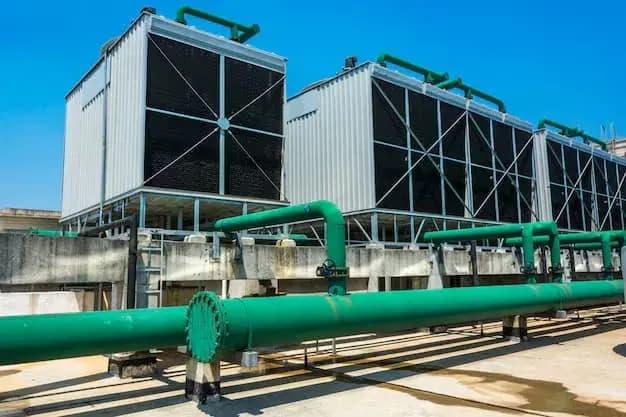
Cooling towers play an important role in many commercial and industrial cooling systems by removing unwanted heat from circulating water. Their performance can directly influence the efficiency of connected HVAC and mechanical equipment. When cooling towers operate properly, buildings can maintain required temperatures while avoiding unnecessary energy consumption. However, neglected equipment may develop scaling, corrosion, airflow restrictions, water quality concerns, or mechanical problems that reduce efficiency. Professional cooling tower services help maintain important components, identify developing concerns, and support dependable operation, allowing commercial facilities to improve cooling performance while managing energy use more effectively.
Understanding Cooling Tower Efficiency
How Cooling Towers Support HVAC Systems
Cooling towers work as part of larger water based cooling systems, commonly rejecting heat absorbed from building spaces or industrial processes. Warm water is transferred to the tower, where heat is released through controlled airflow and evaporation. The cooled water then returns to the system for another cooling cycle. Efficient operation depends on proper water circulation, airflow, fan performance, and heat transfer. When these elements function correctly, the cooling system can reject heat effectively. Professional service helps ensure that each component continues supporting the overall cooling process without unnecessary energy consumption.
Why Efficiency Matters
Energy efficiency is an important consideration for commercial properties because cooling equipment can operate for extended periods. A cooling tower that performs below its intended capacity may cause connected equipment to work harder to maintain required temperatures. Increased operating time can lead to higher electricity consumption and additional mechanical stress. Proper maintenance helps identify conditions that may reduce tower efficiency before they become serious problems. By maintaining efficient heat rejection, facilities can support more stable cooling performance while potentially reducing unnecessary energy use and improving the overall operation of their mechanical systems.
Improving Heat Transfer Performance
Maintaining Clean Heat Transfer Surfaces
Heat transfer efficiency can decline when mineral deposits, biological growth, dirt, and other contaminants accumulate within cooling tower components. These deposits can interfere with the movement of heat between circulating water and surrounding air. As heat transfer becomes less effective, the system may require additional operating effort to achieve the desired cooling result. Professional inspections and cleaning procedures help maintain suitable heat transfer conditions. Keeping important surfaces and components clean can support efficient cooling while reducing the possibility that excessive buildup will contribute to increased energy consumption or equipment strain.
Supporting Proper Water Flow
Adequate water circulation is essential for effective cooling tower performance. Restrictions, damaged components, clogged passages, or improperly balanced water distribution can prevent water from moving through the tower as intended. Uneven water flow can reduce heat transfer and place additional demands on connected cooling equipment. Professional technicians can evaluate water distribution and identify conditions that may interfere with circulation. Correcting these concerns helps maintain consistent cooling performance. Proper water flow also supports more predictable operation, allowing the tower to reject heat efficiently while reducing unnecessary demands on pumps and other connected equipment.
Maintaining Cooling Tower Fans
Supporting Efficient Air Movement
Fans are important components because they move air through the cooling tower and help facilitate heat rejection. A fan that operates inefficiently may require additional electricity while providing inadequate airflow. Problems with fan blades, motors, belts, bearings, controls, or alignment can affect overall performance. Professional service can identify these conditions and determine whether cleaning, adjustment, repair, or replacement is appropriate. Maintaining fan components helps ensure that airflow remains suitable for heat transfer. Efficient fan operation can therefore contribute to better cooling performance while supporting more responsible energy consumption.
Reducing Mechanical Resistance
Mechanical resistance can make cooling tower fans and motors work harder than necessary. Misalignment, worn bearings, damaged belts, debris, and improper lubrication may increase operating demands. Over time, these issues can contribute to higher energy consumption and accelerate component wear. Regular professional inspections provide opportunities to identify mechanical resistance before it creates more serious problems. Addressing these conditions helps equipment operate more smoothly and can improve reliability. Reducing unnecessary mechanical effort allows the cooling tower to maintain required airflow while limiting avoidable stress on important moving components.
Managing Water Quality
Controlling Mineral Buildup
Water quality has a significant influence on cooling tower performance. As water evaporates, minerals can become concentrated and eventually form deposits on internal surfaces. Scaling can interfere with heat transfer and reduce system efficiency. Professional water management and maintenance procedures can help control conditions that encourage excessive mineral accumulation. Appropriate treatment practices can support cleaner equipment and more effective heat rejection. Maintaining suitable water conditions also helps protect internal components from unnecessary deterioration. Effective water management therefore supports both cooling efficiency and the long term reliability of the tower.
Reducing Biological Growth
Warm and wet cooling tower environments can support biological growth when water conditions are not properly managed. Accumulation can affect water flow, heat transfer, and overall system cleanliness. Regular inspection and appropriate treatment help maintain better water conditions and reduce unwanted buildup. Professional service can also identify areas where cleaning or corrective measures may be necessary. Keeping the system properly maintained supports efficient operation and helps protect equipment components. Good water management should form part of a broader maintenance strategy designed to preserve cooling performance and system reliability.
Preventing Cooling Tower Problems
Identifying Early Warning Signs
Cooling tower problems may develop gradually before they significantly affect building operations. Changes in water temperature, unusual sounds, reduced airflow, excessive vibration, visible deposits, or inconsistent performance can indicate developing concerns. Professional technicians can inspect the system and determine whether these symptoms are related to mechanical, water, airflow, or control issues. Early identification allows problems to be addressed before they become more disruptive. A proactive approach can reduce the likelihood of extensive repairs and help facilities maintain dependable cooling performance during periods of high demand.
Reducing Unexpected Downtime
Unexpected cooling tower problems can affect the performance of an entire HVAC system. If heat cannot be rejected effectively, connected equipment may struggle to maintain required operating conditions. This can create comfort problems in commercial buildings and operational challenges in facilities that depend on precise temperature control. Preventive service helps reduce certain risks by identifying worn components and performance concerns before major failure occurs. Although maintenance cannot eliminate every possible breakdown, consistent professional attention can improve reliability and provide facility managers with greater confidence in their cooling infrastructure.
Improving Pump Performance
Maintaining Proper Water Circulation
Cooling tower systems rely on pumps to move water between the tower and connected equipment. Pump performance directly affects water circulation and therefore influences heat transfer efficiency. A pump experiencing mechanical problems, restricted flow, or worn components may consume additional energy while failing to provide the required circulation. Professional service can evaluate pump performance and identify conditions affecting operation. Maintaining proper circulation helps the tower receive and distribute water efficiently. It also supports the connected cooling system by ensuring that heat can be transferred and rejected according to operational requirements.
Reducing Unnecessary Pump Energy
Pumps that operate against excessive resistance may consume more energy than necessary. Restrictions, improper balancing, damaged valves, and system design concerns can all influence pumping requirements. Professional evaluation can help identify conditions that cause unnecessary energy use. Addressing these problems may improve water movement while reducing mechanical demands. Efficient pump operation complements efficient fan performance because both systems contribute to the cooling tower's overall energy requirements. Maintaining these components properly can therefore provide benefits beyond the tower itself by supporting better efficiency across the larger cooling system.
Supporting Preventive Maintenance
Scheduling Regular Inspections
Regular inspections provide an opportunity to evaluate cooling tower components before problems become severe. Technicians can examine fans, motors, pumps, water distribution components, fill materials, controls, and other important areas. Inspection schedules can be adjusted according to equipment type, operating conditions, and facility requirements. Consistent attention helps identify changes in performance and allows corrective measures to be planned. Preventive maintenance also provides facility managers with better information about equipment condition. This makes it easier to schedule repairs and avoid unexpected service interruptions during periods when cooling demand is high.
Maintaining Detailed Service Records
Service records can provide valuable information about cooling tower performance over time. Documentation may include previous repairs, cleaning activities, component replacements, water treatment observations, and recurring concerns. Reviewing this information can help facility managers recognize patterns and identify equipment that may require additional attention. Detailed records also support future planning by showing how often certain components require service. This information can assist with budgeting and replacement decisions. A well organized maintenance history therefore contributes to more predictable equipment management while helping facilities maintain consistent cooling performance.
Extending Cooling Tower Equipment Life
Protecting Major Components
Cooling tower components can experience significant exposure to moisture, chemicals, temperature changes, and continuous mechanical operation. Without proper care, these conditions can contribute to corrosion, wear, and premature deterioration. Regular professional service helps identify affected components and address problems before damage becomes extensive. Cleaning, inspection, lubrication, adjustment, and appropriate replacement can help preserve equipment condition. Protecting major components can extend useful equipment life and reduce the frequency of expensive repairs. Proper care therefore provides both operational and financial benefits for facilities that depend on cooling towers.
Reducing Premature Replacement
Replacing a cooling tower or major component can represent a substantial investment for a commercial facility. Regular maintenance may help delay premature replacement by keeping equipment in better operating condition. Professional technicians can identify developing problems and determine whether repair remains practical. Addressing smaller concerns early can sometimes prevent damage from spreading to other components. While every cooling tower eventually reaches the end of its useful life, appropriate maintenance can help facilities obtain greater value from existing equipment. It also provides more time to plan eventual upgrades instead of responding to sudden failures.
Supporting Building Comfort
Maintaining Reliable Cooling
Commercial buildings rely on cooling systems to maintain comfortable indoor temperatures for employees, customers, and visitors. Cooling towers can influence the performance of connected chilled water systems, meaning tower efficiency can affect overall building comfort. If heat rejection becomes inadequate, cooling capacity may decline and indoor temperatures may become inconsistent. Professional service helps maintain tower performance and supports dependable operation of connected equipment. Reliable heat rejection allows cooling systems to respond more effectively to building demand, helping maintain comfortable indoor environments during periods of high outdoor temperatures.
Reducing Temperature Fluctuations
Temperature fluctuations can occur when HVAC equipment cannot consistently meet building cooling requirements. Cooling tower performance can be one factor affecting the ability of a water based system to maintain stable conditions. Regular service helps identify problems that may reduce heat rejection or water circulation. Addressing these issues can support more consistent cooling throughout occupied areas. Stable temperatures are particularly important in commercial facilities where employee comfort and customer experience influence daily operations. Proper cooling tower maintenance therefore contributes indirectly to maintaining dependable indoor climate control.
Supporting Environmental Responsibility
Reducing Energy Waste
Improving cooling tower efficiency can help facilities reduce unnecessary energy consumption. Efficient fans, pumps, water flow, and heat transfer allow equipment to achieve cooling objectives with less operational effort. Reducing energy waste can lower operating costs while also supporting broader environmental goals. Professional service provides opportunities to identify conditions that cause excessive energy use and recommend appropriate improvements. When cooling tower efficiency is considered as part of the entire HVAC system, facilities can develop a more comprehensive approach to energy management and long term operational performance.
Supporting Sustainable Facility Operations
Energy efficient equipment management can contribute to more sustainable commercial building operations. Cooling towers are often part of systems that operate for many hours, so even modest efficiency improvements may provide meaningful benefits over time. Regular maintenance helps preserve equipment performance and prevents avoidable energy waste caused by neglected components. Facility managers can also use maintenance information to identify opportunities for equipment upgrades or control improvements. A combination of preventive service and thoughtful system management supports responsible energy use while maintaining the cooling performance required for commercial operations.
Choosing Professional Cooling Tower Services
Evaluating System Condition
Professional service begins with understanding the current condition of the cooling tower and connected equipment. Technicians can evaluate water flow, fan performance, pump operation, heat transfer surfaces, controls, and visible equipment condition. This assessment helps identify which areas may be affecting efficiency. Rather than applying the same maintenance approach to every facility, professionals can consider equipment design and operating requirements. A detailed evaluation provides facility managers with practical information that can guide maintenance, repairs, cleaning, and future improvement decisions.
Developing a Maintenance Strategy
A suitable maintenance strategy should reflect the cooling tower's operating conditions and facility requirements. Equipment that operates continuously may need more frequent attention than systems used less often. Water conditions, environmental exposure, equipment age, and operating demand can also influence maintenance needs. Professional service providers can help establish appropriate inspection and maintenance schedules based on these factors. A structured strategy makes cooling tower care more predictable and can reduce the risk of overlooked problems. It also helps facility managers plan service activities around normal building operations.
Conclusion
Cooling tower performance can have a meaningful influence on commercial HVAC efficiency, building comfort, equipment reliability, and operating expenses. Regular professional attention helps maintain effective heat transfer, proper airflow, suitable water circulation, efficient pump and fan operation, and reliable system performance. Preventive maintenance can also identify developing concerns before they lead to significant energy waste or unexpected downtime. By treating cooling tower care as an important part of overall HVAC management, facilities can support efficient and dependable cooling throughout the year. For businesses seeking professional cooling solutions, Cool Breeze Air Conditioning can provide services designed to support reliable performance and efficient commercial cooling operations.
 Greek
 English
 Arabic
 French
 Spanish
 Portuguese
 Deutsch
 Turkish
 Dutch
 Italiano
 Russian
 Romaian
 Portuguese (Brazil)