


Custom Night Guards for Protecting Teeth During Sleep
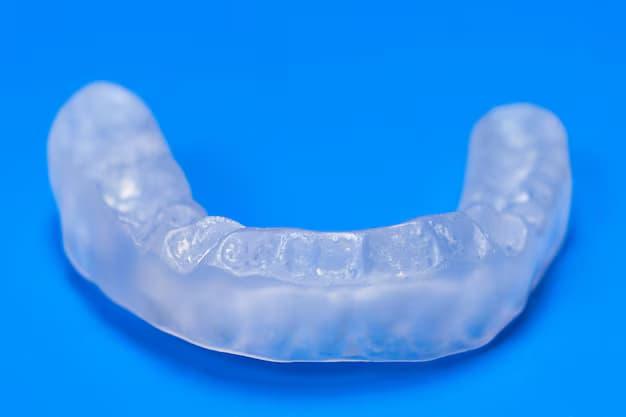
Teeth can experience considerable pressure during sleep when a person unconsciously clenches or grinds them. Repeated nighttime pressure may gradually wear down enamel, increase sensitivity, strain the jaw muscles, and place stress on existing dental restorations. A protective appliance can create a barrier between the upper and lower teeth, helping reduce direct contact during sleep. Individuals considering custom night guards can benefit from understanding how these appliances work, who may need them, their benefits, fitting process, proper care, and the importance of regular dental monitoring.
Understanding Nighttime Teeth Grinding
What Is Bruxism?
Bruxism refers to repeated clenching or grinding of the teeth. It can occur while a person is awake or during sleep, when the habit may happen without conscious awareness. Some people grind strongly enough to produce noticeable sounds, while others primarily clench their teeth without making much noise. Symptoms can include morning jaw soreness, headaches, tooth sensitivity, flattened tooth surfaces, or small chips. A dental examination can help identify signs of excessive forces and determine whether protective treatment may be appropriate.
Why Grinding Can Damage Teeth
Normal chewing places pressure on the teeth, but repeated grinding can expose them to much greater forces. Over time, this may contribute to enamel wear, cracks, chips, sensitivity, and changes in tooth shape. Existing fillings, crowns, bridges, or other restorations may also experience additional stress. The muscles involved in chewing can become tired or uncomfortable when clenching occurs frequently. Addressing excessive nighttime forces can therefore be an important part of protecting natural teeth and maintaining comfortable oral function.
What Are Custom Night Guards?
Personalized Dental Appliances
A custom night guard is a protective appliance created specifically for an individual's teeth and bite. Unlike generic products that are manufactured in standard shapes, a custom appliance is based on detailed dental impressions or digital scans. This allows the guard to fit the patient's mouth more precisely. The design can account for tooth position, bite relationship, existing restorations, and the individual's specific needs. A personalized fit can improve stability and comfort, making it easier for patients to wear the appliance consistently during sleep.
How Night Guards Work
A night guard places a protective layer between the upper and lower teeth. When a patient clenches or grinds, the appliance helps prevent direct tooth to tooth contact and can distribute some of the pressure across the guard. The appliance does not necessarily eliminate the underlying tendency to grind, but it can help protect the teeth from some effects of repeated contact. The material and design are selected according to the patient's circumstances, making professional evaluation important before an appliance is created.
Benefits of Custom Night Guards
Protecting Natural Teeth
One of the primary purposes of a night guard is to help reduce damage caused by repeated grinding. Tooth surfaces can gradually become flatter when they are exposed to excessive forces night after night. A protective appliance can act as a barrier and help reduce direct contact between the teeth. Preserving natural enamel is important because significant tooth wear may eventually require restorative treatment. Regular dental examinations can help identify changes early and determine whether the night guard is providing suitable protection.
Protecting Dental Restorations
Patients who have fillings, crowns, bridges, veneers, or other restorations may also need to consider protection if they grind or clench their teeth. Excessive forces can place stress on restorative materials and the natural teeth supporting them. A properly designed night guard may help reduce direct pressure during sleep. However, not every patient with dental restorations needs a night guard. A dental professional can evaluate the patient's bite, grinding pattern, restoration type, and overall oral health before making a recommendation.
Supporting Jaw Comfort
Frequent clenching can place additional strain on the muscles responsible for jaw movement. Some individuals may wake with stiffness, soreness, or tiredness around the jaw, face, or temples. Reducing direct tooth contact may help decrease some of the forces associated with clenching. However, jaw discomfort can have many possible causes, so a night guard should not be viewed as a universal solution for every type of jaw problem. Persistent symptoms should receive professional evaluation to identify the underlying cause.
Who May Need a Night Guard?
People Who Grind Their Teeth
Individuals who regularly grind their teeth during sleep may benefit from a protective appliance. Signs of grinding can include flattened or worn teeth, chipped enamel, sensitivity, jaw soreness, and headaches after waking. A sleeping partner may also notice grinding sounds during the night. Some patients have no obvious symptoms and only learn about the habit during a dental examination. A professional evaluation can identify patterns of wear and help determine whether a night guard is appropriate.
People Who Clench
Clenching involves pressing the upper and lower teeth together without necessarily moving them back and forth. Although it may not create a grinding sound, clenching can still place significant pressure on the teeth and jaw muscles. Patients may notice morning facial fatigue, jaw stiffness, or sensitivity without realizing that nighttime clenching is responsible. A dental professional can assess the teeth and bite for signs of excessive forces. If appropriate, a custom appliance may be recommended to provide additional nighttime protection.
Patients With Restorations
People with extensive restorative dental work may be advised to consider a night guard when they also have a history of grinding or clenching. Restorations can be durable, but repeated excessive forces may affect their longevity. A custom appliance can be designed to work with the patient's existing dental treatment and bite. Patients should not purchase or use an appliance without professional guidance when they have complex restorations because an unsuitable design could create unwanted pressure or interfere with the bite.
The Custom Night Guard Process
Initial Dental Evaluation
The process generally begins with a comprehensive dental examination. The professional evaluates the teeth, gums, bite, jaw movement, existing restorations, and signs of grinding or clenching. Areas of enamel wear, cracks, chips, or sensitivity may provide useful information about the forces affecting the teeth. Patients should describe any morning jaw discomfort, headaches, tooth sensitivity, or grinding sounds they have noticed. This information helps the dental professional determine whether nighttime protection is appropriate.
Conclusion
Nighttime grinding and clenching can expose teeth, restorations, and jaw muscles to repeated forces that may contribute to wear and discomfort. A properly fitted night guard can create a protective barrier and help reduce direct tooth contact during sleep. Custom design offers the advantage of fitting the patient's individual dental anatomy, bite, and existing restorations. Proper cleaning, storage, regular inspection, and professional follow up are essential for maintaining the appliance. Individuals seeking personalized nighttime protection and comprehensive dental guidance can receive professional care from Clove Dental Santa Monica.
Click here to explore customized dental treatment plans today.

 English
 Arabic
 French
 Spanish
 Portuguese
 Deutsch
 Dutch
Dutch
 Italiano
 Russian
 Romaian
 Portuguese (Brazil)
 Greek
Greek