


What Happens When a CV Joint Fails While Driving?
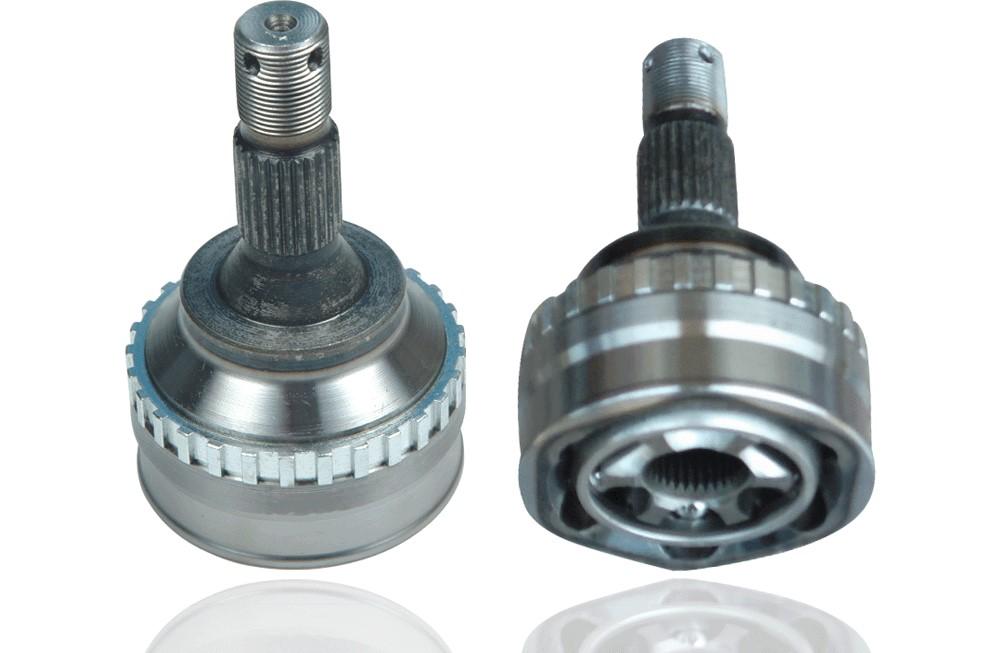
CV joints are essential driveline components found in many front-wheel drive, all-wheel drive and four-wheel drive vehicles. They transfer power from the transmission to the wheels while allowing the wheels to move with the suspension and steering.
Because CV joints operate whenever the vehicle is moving, wear can develop gradually over time. In many cases, a failing joint provides warning signs before complete failure. However, continuing to drive with a severely damaged CV joint can increase the risk of driveline problems and leave you stranded.
Understanding what happens when a CV joint fails can help you recognise the warning signs and know when professional attention is needed.
What Does a CV Joint Do?
A Constant Velocity joint allows engine power to reach the wheels while accommodating changes in steering angle and suspension movement.
A properly functioning CV joint helps provide:
- Smooth power transfer.
- Consistent acceleration.
- Flexible steering movement.
- Reliable driveline performance.
Most vehicles have inner and outer CV joints, with each performing a slightly different role within the driveline.
What Causes CV Joint Failure?
Several factors can contribute to premature wear.
Common causes include:
- High kilometres.
- Normal component wear.
- Damaged protective boots.
- Loss of lubrication.
- Dirt or water contamination.
- Road impacts.
- Aggressive driving.
- Poor maintenance.
A damaged protective boot is particularly important because it can allow grease to escape and contaminants to enter the joint.
Clicking When Turning
One of the most recognisable warning signs of a worn CV joints Melbourne is clicking or popping when turning.
You may hear it when:
- Making a tight turn.
- Parking.
- Turning around a roundabout.
- Accelerating through a corner.
The noise can become more noticeable as the joint deteriorates.
If clicking is already present, it's better to arrange an inspection rather than waiting for complete failure.
Vibration During Acceleration
A worn CV joint can also cause vibration or shuddering when accelerating.
The vibration may be more noticeable when:
- Accelerating from a stop.
- Climbing a hill.
- Carrying a heavy load.
- Applying more throttle.
However, driveline vibration can have several causes, so professional diagnosis is necessary before assuming the CV joint is responsible.
What Happens During Complete Failure?
If a CV joint becomes severely damaged, it may eventually lose its ability to transfer power effectively.
Possible outcomes include:
- Loss of drive to the affected wheel.
- Loud mechanical noises.
- Severe vibration.
- Vehicle becoming difficult or impossible to move.
- Damage to surrounding driveline components.
The exact result depends on the vehicle's drivetrain configuration and which joint has failed.
A complete failure can leave you stranded, particularly if it occurs away from home or in heavy traffic.
Can a Failed CV Joint Cause Other Damage?
Yes. Continued driving with a severely worn joint can increase stress on related components.
Potentially affected areas include:
- Drive shafts.
- Wheel bearings.
- Differential components.
- Suspension components.
- Transmission connections.
Addressing the problem early can help prevent a relatively straightforward repair from becoming a larger driveline job.
The Importance of CV Boots
CV boots provide essential protection for the joints.
They contain specialised grease and prevent contaminants from reaching the internal moving parts.
A damaged CV boots Melbourne component may show:
- Cracks.
- Tears.
- Grease around the wheel.
- Loose clamps.
- Deteriorated rubber.
If a damaged boot is repaired before the joint becomes contaminated or worn, it may help extend the life of the CV joint.
Can You Drive With a Damaged CV Joint?
It depends on the severity of the damage.
A vehicle with a minor developing issue may still be driveable for a short period, but continuing to use it without inspection can allow the problem to worsen.
If you experience severe symptoms such as:
- Loud clicking or grinding.
- Strong vibration.
- Sudden loss of drive.
- Significant steering problems.
- Severe knocking.
it's safer to stop driving and seek professional assistance rather than continuing your journey.
Melbourne Road Conditions Can Increase Wear
Melbourne motorists regularly encounter potholes, uneven roads, tram tracks, speed humps and roadworks.
These conditions can place additional stress on CV joints and other driveline components, particularly when impacts occur at higher speeds.
If you notice a new noise or vibration after hitting a pothole, arrange an inspection even if the vehicle still appears to drive normally.
How Are CV Joint Problems Repaired?
The appropriate repair depends on the condition of the joint and surrounding components.
A technician may recommend:
- Replacing the CV joint.
- Replacing the complete drive shaft assembly.
- Replacing a damaged CV boot.
- Replacing related hardware.
- Inspecting and repairing associated driveline components.
Professional drive shafts repairs Melbourne can help determine whether an individual component can be repaired or whether replacement is the more suitable option.
What About Tailshaft Problems?
Although CV joints and tailshafts are different components, they are both part of the vehicle's driveline.
If your vehicle also experiences vibration at particular speeds, the technician may inspect the tailshaft for imbalance or other faults.
Professional tailshaft balancing Melbourne may be appropriate if an imbalance is identified during diagnosis.
This is why a complete driveline inspection is often more useful than focusing on one component based solely on symptoms.
Could Steering Problems Be Responsible?
Some symptoms can overlap with steering issues.
If you also notice:
- Heavy steering.
- Steering fluid leaks.
- Whining while turning.
- Uneven steering response.
the power steering pump Melbourne may need to be inspected.
Checking the steering and driveline systems together can help identify the actual cause of the vehicle's symptoms.
How to Prevent CV Joint Failure
You can take several practical steps to reduce premature wear.
Inspect the protective boots
Check for cracks, splits or grease leaks during routine servicing.
Address clicking noises early
Don't ignore repetitive clicking when turning.
Drive carefully over rough roads
Reducing speed around potholes and uneven surfaces can minimise impact forces.
Follow your servicing schedule
Regular inspections allow developing wear to be identified before major failure.
Avoid unnecessary harsh acceleration
Smooth driving reduces the load placed on driveline components.
When Should You Have Your CV Joint Inspected?
You should arrange an inspection if you notice:
- Clicking while turning.
- Vibration during acceleration.
- Shuddering.
- Grease around a wheel.
- Clunking or unusual driveline noises.
- Symptoms following a road impact.
Early diagnosis can help determine whether the problem is limited to the boot or whether the joint itself has already developed significant wear.
Supporting Melbourne Drivers
If you suspect a CV joint is failing, getting the vehicle professionally inspected can help prevent further driveline damage. A specialist can assess the CV joints, protective boots, drive shafts and related components before recommending the appropriate repair.
Melbourne motorists can also use a workshop's Google Business Profile to check customer reviews, workshop photos, opening hours and recent updates when choosing a local specialist.
Whether you need an inspection of CV joints Melbourne, replacement CV boots Melbourne, professional drive shafts repairs Melbourne, or tailshaft balancing Melbourne, choosing an experienced driveline workshop can help keep your vehicle safe and reliable.
Final Thoughts
A CV joint usually provides warning signs before complete failure. Clicking while turning, vibration during acceleration, grease leakage and shuddering should all be taken seriously.
Ignoring these symptoms can allow wear to progress and potentially result in loss of drive or additional driveline damage. Getting the vehicle inspected early is the best way to understand the problem and determine the right repair.
With regular maintenance, careful driving and prompt attention to warning signs, you can help extend the life of your vehicle's driveline and reduce the risk of an unexpected breakdown.

 Arabic
 French
 Spanish
 Portuguese
 Deutsch
 Turkish
 Dutch
 Italiano
 Russian
 Romaian
 Portuguese (Brazil)
 Greek