


Effective Data Loss Prevention Strategies for Protecting Business Files
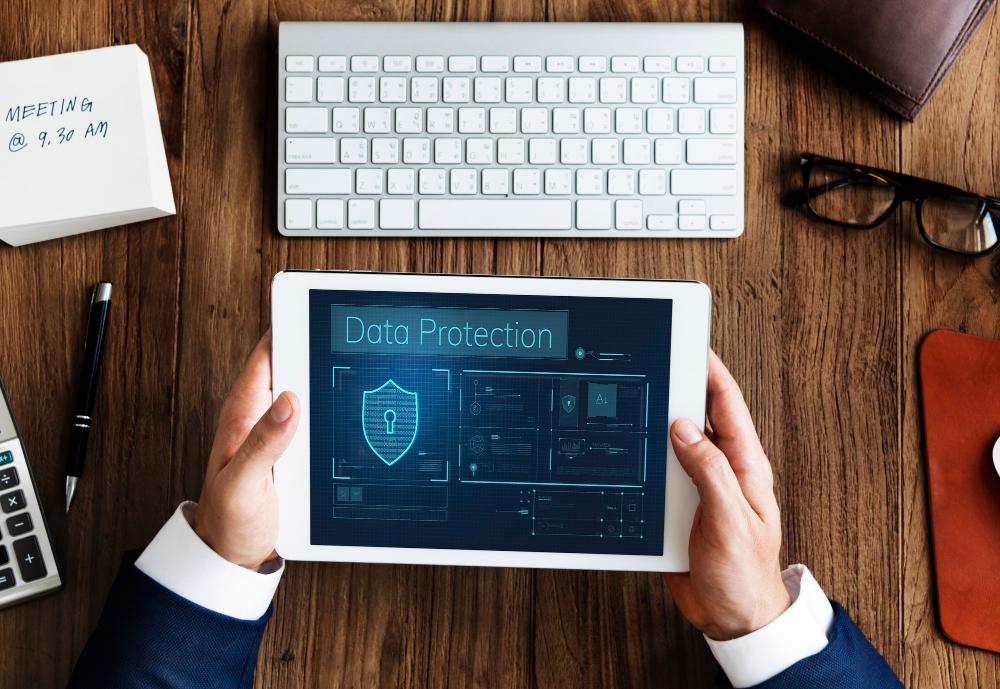
Business files can contain confidential customer information, financial records, contracts, employee details, intellectual property, and operational documents. Protecting these resources requires a structured approach that addresses accidental loss, unauthorized access, malicious activity, and technical failures. Effective data loss prevention strategies can help organizations identify sensitive information and establish controls designed to reduce unnecessary exposure. Businesses should combine technology, policies, employee awareness, and monitoring to create a comprehensive protection framework. A well planned approach can reduce security risks while helping organizations maintain access to important files during everyday operations.
Identifying Sensitive Business Information
The first step toward effective protection involves understanding which files and information require stronger safeguards. Organizations should identify sensitive documents according to their operational value, confidentiality, regulatory importance, and potential impact if exposed. Financial records, customer databases, legal documents, intellectual property, and confidential business plans may require different levels of protection. Classifying information can help security teams apply appropriate controls without creating unnecessary restrictions. Clear identification also allows organizations to prioritize resources and focus protection efforts on information that could cause significant harm if lost, altered, or accessed without authorization.
Establishing Access Controls
Controlling who can access business files is an important component of information protection. Organizations should provide employees with access based on their responsibilities rather than granting broad permissions to all users. Role based access can help limit unnecessary exposure while making administrative oversight easier. Permissions should also be reviewed regularly because employee responsibilities can change over time. Removing unnecessary access after role changes or departures can reduce potential risks. A carefully managed permission structure can help ensure that sensitive information remains available to authorized users without becoming unnecessarily accessible throughout the organization.
Applying Least Privilege Principles
The principle of least privilege limits access to the information and systems employees actually need to perform their responsibilities. Organizations can apply this approach by defining appropriate permissions for different roles and reviewing those permissions periodically. Employees should not automatically receive access to sensitive files simply because they belong to a particular department. Limiting privileges can reduce the potential impact of compromised accounts and accidental disclosures. Businesses should also maintain records of access changes so administrators can understand who has permission to view or modify important information and why those permissions were provided.
Protecting Files Through Encryption
Encryption can help protect business information by making data difficult to interpret without the appropriate access mechanism. Organizations should consider encryption for sensitive information both during transmission and while stored in systems or devices. This can provide an additional layer of protection when files are shared between employees, stored in cloud environments, or transferred across networks. Encryption should be implemented according to business requirements and security policies. Strong protection of stored and transmitted information can reduce the consequences of unauthorized access and help businesses safeguard confidential files throughout their lifecycle.
Securing File Transfers
Business files are often exchanged through email, collaboration platforms, shared drives, and external services. Each transfer creates an opportunity for information to be exposed if appropriate safeguards are not applied. Organizations should establish secure methods for transferring sensitive documents and restrict the use of unauthorized channels when necessary. Encryption and access controls can help protect files during transmission. Businesses should also encourage employees to verify recipients before sending confidential information. Combining secure transfer methods with employee awareness can reduce accidental disclosures and improve the overall protection of sensitive business files.
Monitoring File Activity
Visibility into how files are accessed and shared can help organizations identify potential security concerns. Monitoring systems can track relevant activities such as file access, downloads, modifications, sharing, and unusual transfer patterns. Security teams can use this information to identify behavior that may indicate compromised accounts, insider threats, or accidental exposure. Monitoring should be implemented carefully with appropriate access restrictions and organizational policies. Regular review of activity can provide valuable insight into how information is being handled and help administrators respond more quickly when unusual events occur.
Detecting Unusual Behavior
Unusual file activity can sometimes indicate a security incident. Large downloads, repeated access to restricted documents, unexpected transfers, or activity outside normal patterns may require further investigation. Organizations can establish alerts based on relevant risk indicators and review potentially suspicious events. Automated detection can help security teams identify problems sooner, particularly in environments with large numbers of users and files. However, alerts should be carefully configured to reduce unnecessary notifications. Effective monitoring combines automated detection with human review so organizations can distinguish legitimate business activity from potentially harmful behavior.
Strengthening Employee Awareness
Employees play an important role in protecting business files because many data exposure incidents result from mistakes, weak security practices, or successful social engineering attempts. Organizations should provide regular training covering phishing, password security, file sharing, device protection, and appropriate handling of confidential information. Training should be practical and relevant to employees' daily responsibilities. Clear guidance can help staff recognize suspicious requests and avoid risky behavior. A strong security culture complements technical controls by encouraging employees to treat business information responsibly and understand the consequences of improper data handling.
Reducing Accidental Data Exposure
Accidental disclosures can occur when employees send documents to incorrect recipients, use inappropriate sharing settings, or store sensitive information in unsecured locations. Organizations can reduce these risks by establishing clear procedures for handling confidential files and encouraging employees to verify recipients before sharing information. Automated controls can also detect certain sensitive content and prevent unauthorized transfers when appropriate. Combining user awareness with technical safeguards can provide stronger protection than relying on either approach alone. Businesses should regularly review common mistakes and update guidance according to emerging risks and organizational experience.
Implementing Backup and Recovery
Data protection should include strategies for recovering information when files are accidentally deleted, corrupted, encrypted by malicious software, or affected by system failures. Regular backups can provide organizations with additional protection against these situations. Backup systems should be configured according to the importance of different information and should be tested periodically to confirm that recovery procedures work as expected. Organizations should also protect backups from unauthorized access and ensure that they are not easily affected by the same incidents impacting primary systems. Reliable recovery capabilities can strengthen resilience and reduce the operational impact of data loss.
Testing Recovery Procedures
A backup is valuable only when the organization can successfully restore information when necessary. Businesses should conduct periodic recovery tests to verify that files can be retrieved within acceptable timeframes. Testing can reveal configuration problems, missing data, permission issues, or other weaknesses before a serious incident occurs. Organizations should document recovery procedures and ensure that authorized personnel understand their responsibilities. Regular testing can improve confidence in the backup strategy and help businesses respond more effectively when unexpected data loss affects important files or operational systems.
Securing Devices and Endpoints
Business files may be accessed through laptops, smartphones, tablets, office computers, and other devices. Each endpoint can create a potential pathway to sensitive information if it is not properly protected. Organizations should implement appropriate device security measures such as strong authentication, encryption, security updates, malware protection, and remote management capabilities. Lost or stolen devices should be capable of being secured or remotely disabled when appropriate. Protecting endpoints can help reduce the possibility that sensitive files will be exposed through compromised or unmanaged devices used for legitimate business activities.
Managing Remote Access
Remote employees may need access to business files from different networks and locations. Organizations should provide secure access methods and establish clear policies for remote file handling. Authentication controls can help verify users before granting access, while encryption can protect information during transmission. Businesses should also consider whether personal devices are permitted to access sensitive information and establish appropriate controls if they are allowed. Secure remote access can support flexible work arrangements without unnecessarily increasing exposure to confidential files. Regular review of remote access permissions can further strengthen protection as employee roles and work arrangements change.
Creating Clear Data Handling Policies
Technology alone cannot provide complete protection without clear organizational policies. Businesses should establish practical guidelines covering file classification, access permissions, sharing, retention, deletion, storage, backup, and incident reporting. Policies should be communicated clearly so employees understand their responsibilities when handling sensitive information. Organizations should also review policies periodically to ensure they remain aligned with changing technologies, business processes, and security risks. Clear procedures provide a consistent framework for employees and administrators while helping organizations demonstrate that information protection is treated as an ongoing operational responsibility.
Preparing an Incident Response Plan
Even strong preventive measures cannot eliminate every possible security incident. Organizations should establish procedures for responding when sensitive files are exposed, lost, or accessed without authorization. An incident response plan should identify responsible personnel, communication processes, investigation steps, containment measures, and recovery activities. Employees should know how to report suspected incidents quickly so security teams can respond without unnecessary delays. Regular exercises can help organizations identify weaknesses in their response procedures. A prepared response can reduce confusion during stressful situations and help limit the operational and financial consequences of information exposure.
Conclusion
Protecting business files requires a combination of access controls, encryption, monitoring, employee awareness, backup, endpoint security, secure remote access, clear policies, and incident response planning. Effective data loss prevention strategies can help organizations identify sensitive information and reduce the likelihood of accidental or unauthorized exposure. Businesses should regularly evaluate their security environment because threats, technologies, and operational requirements continue to change. BlueTie Inc. can support organizations seeking communication and security focused solutions designed around business information protection. A comprehensive approach can strengthen data security while helping organizations maintain reliable access to important files and sustain operational resilience.
 Italiano
 English
 Arabic
 French
 Spanish
 Portuguese
 Deutsch
 Turkish
 Dutch
 Russian
 Romaian
 Portuguese (Brazil)
 Greek