


Why Stretcher Leveler Retrofit Improves Material Flatness
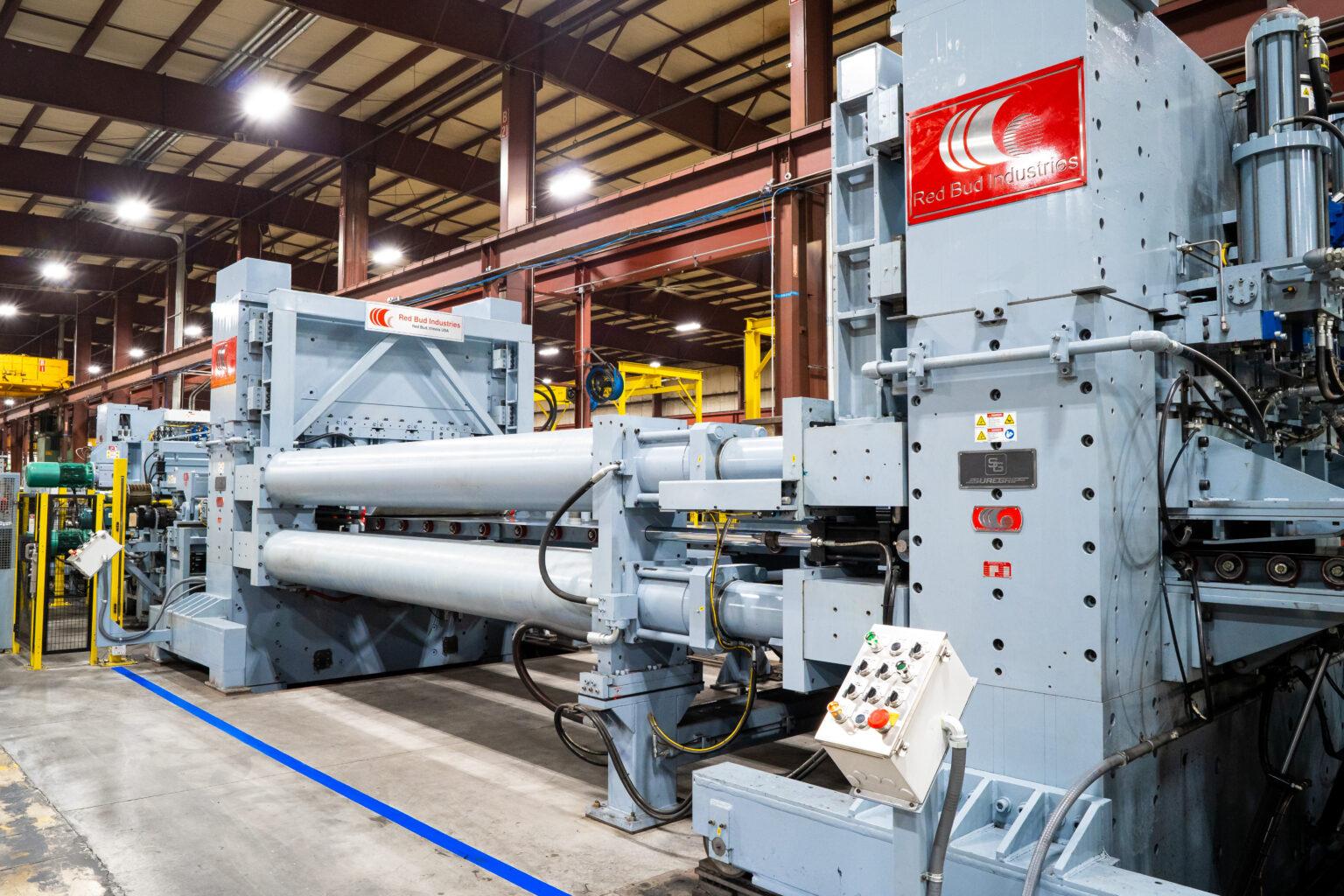
Material flatness plays an important role in manufacturing processes where metal sheets must meet demanding quality and dimensional requirements. Uneven material can create difficulties during forming, fabrication, welding, stamping, and assembly. A stretcher leveler retrofit can provide a practical way to improve the performance of existing processing equipment while helping manufacturers achieve better material flatness. Rather than replacing an entire production system, a retrofit can upgrade selected components and capabilities. This approach can help extend equipment usefulness, improve processing consistency, and support changing production requirements without requiring a complete transition to new machinery.
Understanding Stretcher Leveling
Improving Material Flatness
Stretcher leveling works by applying controlled tension to metal as it passes through a specialized processing system. The material is stretched beyond its yield point in a controlled manner, helping reduce internal stresses that contribute to shape irregularities. Unlike basic leveling methods that primarily bend material back and forth, stretcher leveling addresses certain internal stresses more directly. The resulting material can have improved flatness and greater consistency. This makes the process useful for applications where downstream operations require stable, predictable sheet characteristics.
Addressing Common Material Irregularities
Metal coils can develop various shape defects during production, transportation, and storage. These may include crossbow, coil set, edge wave, center buckle, and other forms of unevenness. Such irregularities can affect subsequent manufacturing operations and make automated processing more difficult. Stretcher leveling can help reduce these problems by applying controlled tension throughout the material. When properly configured, the process can produce flatter material that is easier to handle, position, cut, form, and inspect during later stages of manufacturing.
What a Retrofit Can Provide
Updating Existing Equipment
A retrofit involves upgrading an existing processing system rather than replacing the complete machine. Depending on the equipment and production requirements, improvements may involve mechanical components, controls, electrical systems, drives, monitoring technology, or other processing elements. Updating selected components can help bring older equipment closer to modern operating standards. This approach allows manufacturers to preserve useful parts of an existing production line while improving specific areas that may limit current performance. Proper evaluation is essential to determine which components can be upgraded effectively.
Extending Equipment Service Life
Manufacturing equipment represents a significant investment, and replacing an entire production line may not always be practical. A carefully planned retrofit can extend the useful life of existing machinery by addressing aging components and outdated operating capabilities. Improving the equipment can allow manufacturers to continue using familiar production infrastructure while adapting to new material or quality requirements. Extending service life can also provide more flexibility when planning future capital investments. However, the condition and design of the existing equipment must be assessed before determining whether retrofitting is appropriate.
Improving Material Quality
Achieving More Consistent Flatness
Consistent flatness is important when processed metal must maintain predictable behavior during downstream operations. Uneven material can interfere with feeding, positioning, cutting, forming, and assembly. A properly configured stretcher leveling system can help improve flatness across the material by reducing residual stresses and shape irregularities. Greater consistency can make subsequent processing easier and reduce the need for additional corrective operations. For manufacturers working with demanding dimensional requirements, improved flatness can contribute significantly to overall material quality.
Supporting Downstream Processing
Material that is flatter and more consistent can move more reliably through subsequent manufacturing stages. Automated equipment often depends on predictable material positioning, and uneven sheets can interfere with feeding or alignment. Improved flatness can therefore support smoother cutting, forming, stamping, and fabrication operations. It may also help reduce handling difficulties when individual sheets are stacked or transferred. By improving material condition earlier in the production process, stretcher leveling can contribute to more consistent performance throughout the broader manufacturing workflow.
Improving Production Efficiency
Reducing Rework
Material defects and inconsistencies can result in additional processing, inspection, or rework. When flatness problems interfere with downstream operations, production teams may need to make adjustments or reject unsuitable pieces. Improving material condition through stretcher leveling can help reduce some of these challenges. More consistent material can be processed with fewer interruptions, allowing production teams to maintain steadier workflows. Reducing rework can save time and help manufacturers use labor and raw materials more effectively.
Supporting Reliable Production
Production reliability depends on equipment and material behaving consistently throughout repeated cycles. A retrofit can improve the capability of an existing system while preserving established production processes. Updated controls and components may also provide operators with greater control over processing parameters. This can make it easier to maintain consistent operating conditions across different production runs. Reliable equipment performance can support predictable scheduling and help manufacturers respond more effectively to changing production demands.
Benefits of Retrofitting Instead of Replacing
Managing Capital Investment
Replacing a complete processing line can involve substantial costs related to equipment, installation, facility modifications, operator training, and production downtime. A retrofit may provide a more targeted investment by focusing on the components that require improvement. This can allow manufacturers to address specific performance limitations without replacing equipment that remains functional. The financial value of a retrofit depends on equipment condition, upgrade requirements, production goals, and expected service life. A detailed technical evaluation can help determine whether upgrading provides a practical alternative.
Minimizing Production Disruption
A complete equipment replacement can require significant planning and extended downtime. Depending on the scope of work, a retrofit may reduce the amount of disruption because portions of the existing system can remain in place. Careful project planning can help coordinate installation, testing, commissioning, and operator training. Reducing downtime can be particularly valuable for manufacturers with demanding production schedules. Although every retrofit project has different requirements, preserving usable infrastructure can sometimes simplify the transition to improved processing capabilities.
Planning a Successful Retrofit
Evaluating Existing Equipment
Before beginning a retrofit project, manufacturers should evaluate the condition and capabilities of their existing machinery. Important considerations can include mechanical condition, electrical systems, controls, drive systems, material specifications, production speed, and maintenance history. Understanding the existing system helps determine which components can be retained and which should be upgraded. This assessment also allows engineers to identify compatibility issues before installation begins. A detailed evaluation can reduce unexpected complications and help establish realistic performance goals for the upgraded equipment.
Defining Production Objectives
A retrofit should have clearly defined goals based on actual manufacturing requirements. Objectives may include improving flatness, increasing production speed, expanding material capabilities, reducing maintenance requirements, or improving control accuracy. Establishing measurable goals helps guide equipment selection and project planning. Manufacturers should also consider future production needs so that the upgraded system remains useful as applications change. When retrofit objectives are clearly established, the project can be designed around practical production improvements rather than unnecessary modifications.
Conclusion
A stretcher leveler retrofit can provide manufacturers with an effective approach to improving material flatness, processing consistency, and equipment performance without automatically replacing an entire production system. By upgrading suitable mechanical, electrical, control, and processing components, manufacturers can address specific limitations while extending the useful life of existing machinery. Better flatness can support smoother downstream operations, reduce rework, and improve overall production reliability. Careful equipment evaluation and clear performance objectives are essential for successful results. For specialized metal processing solutions and retrofit support, Red Bud Industries can help manufacturers pursue improved material quality and long term production efficiency.

 Arabic
 French
 Spanish
 Portuguese
 Deutsch
 Turkish
 Dutch
 Italiano
 Russian
 Romaian
 Portuguese (Brazil)
 Greek