


Why Regular Diesel Fuel Injection Pump Testing Matters for Engine Performance
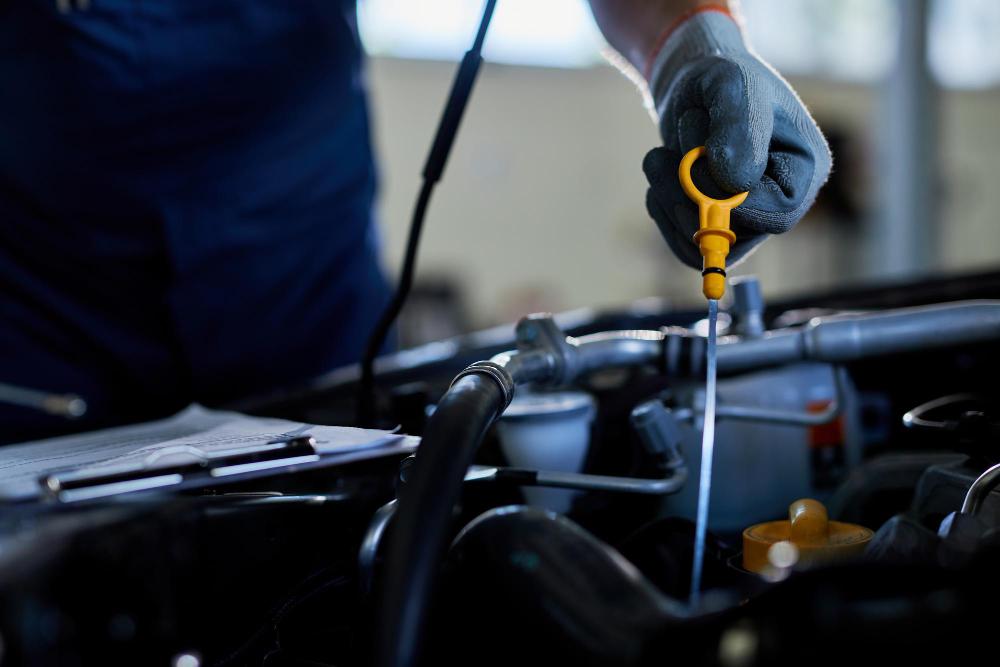
A diesel engine depends on every fuel system component working with precision. One of the most important parts is the fuel injection pump. It controls the amount of fuel sent to the engine and ensures it reaches the injectors at the right pressure and time. Even a small issue with the pump can reduce performance, increase fuel consumption, and also lead to costly repairs.
That is why diesel fuel injection pump testing is an essential part of maintaining diesel-powered vehicles and equipment. Regular testing helps identify problems early and keeps the engine running efficiently.
What Is a Diesel Fuel Injection Pump?
A diesel fuel injection pump delivers fuel from the tank to the injectors at very high pressure. Unlike petrol engines, diesel engines rely on precise fuel delivery to achieve proper combustion.
The pump must supply the correct amount of fuel at exactly the right moment. If it fails to do so, the engine may lose power, produce excessive smoke, or become difficult to start.
Why Is Diesel Fuel Injection Pump Testing Important?
Routine diesel fuel injection pump testing helps ensure that the pump is performing according to manufacturer specifications. During testing, technicians measure fuel pressure, flow rate, timing, and overall pump performance.
Testing offers several benefits, including:
-
Detecting wear before major damage occurs
-
Improving engine performance
-
Reducing fuel consumption
-
Lowering exhaust emissions
-
Preventing unexpected engine breakdowns
-
Extending the life of the fuel injection system
Regular inspections are especially important for commercial vehicles, agricultural machinery, construction equipment, and generators that operate for long hours.
Common Signs of a Failing Fuel Injection Pump
A faulty injection pump often shows warning signs before it stops working completely. Recognising these symptoms early can help prevent expensive repairs.
Some common signs include:
-
Hard starting or no start
-
Loss of engine power
-
Poor fuel economy
-
Rough idling
-
Engine misfires
-
Black or white exhaust smoke
-
Unusual engine noises
-
Check engine warning light
If you notice any of these issues, scheduling diesel fuel injection pump testing as soon as possible is a smart decision.
What Happens During Pump Testing?
Professional testing is carried out using specialised equipment designed for diesel fuel systems. The pump is removed from the engine and connected to a calibrated test bench that simulates real operating conditions.
During testing, technicians evaluate:
-
Fuel delivery volume
-
Injection pressure
-
Pump timing
-
Internal leakage
-
Pressure stability
-
Governor operation
-
Overall efficiency
These detailed measurements help identify worn components, incorrect calibration, or internal damage that may not be visible during a simple inspection.
When Is Diesel Fuel Injection Pump Repair Needed?
Testing may reveal issues that can be corrected without replacing the entire pump. In many cases, diesel fuel injection pump repair restores the unit to proper working condition.
Repairs may include:
-
Replacing worn seals
-
Installing new bearings
-
Changing damaged plungers
-
Replacing delivery valves
-
Cleaning internal components
-
Recalibrating pump settings
Once the repair is completed, the pump is tested again to ensure it meets the required performance standards before being reinstalled.
Benefits of Professional Repair
Choosing professional diesel fuel injection pump repair offers several advantages over replacing the entire unit.
Some key benefits include:
-
Lower repair costs
-
Restored engine performance
-
Better fuel efficiency
-
Longer pump lifespan
-
Reduced downtime
-
Reliable operation under heavy workloads
Experienced technicians also use genuine replacement parts and advanced testing equipment, helping ensure long-lasting results.
Tips to Extend the Life of Your Injection Pump
Proper maintenance can significantly increase the service life of a diesel fuel injection pump.
Here are a few simple maintenance tips:
-
Use clean, high-quality diesel fuel.
-
Replace fuel filters at recommended intervals.
-
Drain water from the fuel separator regularly.
-
Avoid running the fuel tank completely empty.
-
Follow the manufacturer's maintenance schedule.
-
Address engine performance issues without delay.
Keeping contaminants out of the fuel system is one of the most effective ways to prevent premature wear.
How Often Should the Pump Be Tested?
The testing schedule depends on the type of vehicle, operating conditions, and manufacturer recommendations.
Commercial fleets, heavy equipment, and industrial machinery often benefit from regular testing during scheduled maintenance. Vehicles operating in dusty environments or using lower-quality fuel may require more frequent inspections.
If the engine begins showing performance problems, testing should be performed immediately rather than waiting for the next service interval.
Choosing the Right Service Provider
Not every workshop has the equipment required to accurately test diesel fuel injection pumps. It is important to choose a service provider with trained technicians and modern diagnostic equipment.
Look for a workshop that offers:
-
Certified diesel fuel specialists
-
Advanced pump testing benches
-
Quality replacement parts
-
Accurate calibration services
-
Detailed inspection reports
-
Experience with multiple diesel engine brands
A professional inspection provides confidence that your fuel system is operating at peak efficiency.
Conclusion
The fuel injection pump plays a critical role in the performance, efficiency, and reliability of every diesel engine. Regular diesel fuel injection pump testing helps detect hidden problems before they become serious, saving both time and money. When testing identifies worn or damaged components, timely diesel fuel injection pump repair can restore performance and extend the life of the fuel system.
Investing in regular maintenance and professional testing is one of the best ways to keep your diesel engine running smoothly for many years to come.
 Romaian
 English
 Arabic
 French
 Spanish
 Portuguese
 Deutsch
 Turkish
 Dutch
Dutch
 Italiano
 Russian
 Portuguese (Brazil)
 Greek
Greek