


Important Features To Consider When Choosing Boss Plows
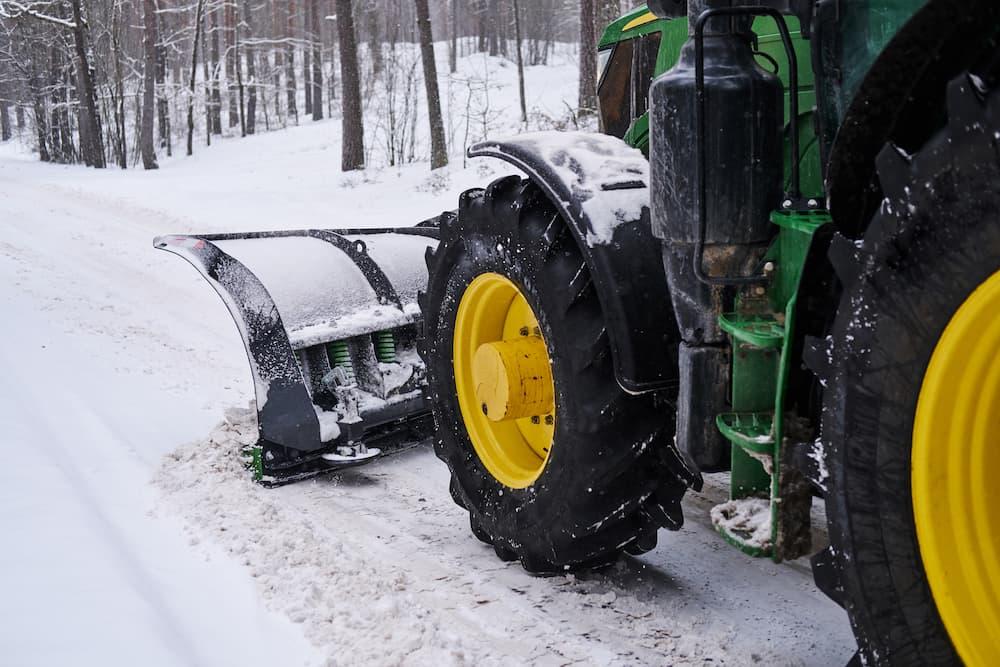
Snow removal equipment must perform reliably when weather conditions become difficult and work schedules become demanding. Property managers, contractors, municipalities, and commercial operators often depend on plows to clear roads, parking areas, driveways, and other surfaces efficiently. Boss plows are frequently considered by buyers who want equipment suited for demanding winter work. Before selecting a plow, it is important to evaluate features such as construction, blade design, mounting systems, controls, compatibility, and maintenance requirements. Careful consideration can help buyers choose equipment that matches their specific snow removal needs.
Understanding Snow Removal Requirements
Evaluating The Intended Application
Different snow removal jobs require different types of equipment. A homeowner clearing a driveway may have very different needs from a contractor maintaining multiple commercial properties. Buyers should consider the size of the areas being cleared, the amount of snowfall typically experienced, and the type of surfaces involved. A plow designed for occasional residential use may not be suitable for repeated commercial work. Understanding the intended application helps narrow the available options and ensures the selected equipment is capable of handling the expected workload.
Considering Vehicle Compatibility
A plow must be compatible with the vehicle that will carry it. Vehicle size, front axle capacity, electrical systems, and mounting points all influence which plows can be used safely. Buyers should review the manufacturer's compatibility information before making a purchase. Installing an unsuitable plow can affect handling and place unnecessary stress on the vehicle. Proper compatibility helps ensure that the plow operates as intended while allowing the vehicle to remain stable and responsive during snow removal activities.
Blade Construction And Durability
Examining Blade Materials
Blade construction is one of the most important factors when choosing a plow. Snow plows are exposed to ice, frozen debris, road surfaces, and repeated impacts during operation. Durable materials can help the blade withstand these demanding conditions. Buyers should examine the overall thickness and strength of the blade rather than focusing only on appearance. A well constructed blade can provide dependable service over multiple winter seasons when it is maintained properly and used within its intended operating limits.
Considering Reinforcement Features
Reinforcement features can improve the strength of a plow blade. Structural ribs, reinforced moldboards, and other design elements help distribute forces encountered during snow removal. These features can reduce flexing and provide additional support during demanding work. Buyers should compare the overall construction of different models to determine whether the design is appropriate for their expected workload. Strong reinforcement can be especially valuable for operators who regularly clear large commercial areas or encounter compacted snow and uneven surfaces.
Blade Width And Shape
Selecting The Right Width
Blade width influences how much snow can be moved with each pass. A wider blade can clear larger areas more quickly, but it must also remain compatible with the vehicle and the locations where it will be used. Narrow driveways, tight parking areas, and confined spaces may require a more manageable size. Buyers should consider both efficiency and maneuverability. Choosing a width that matches typical job conditions can help improve productivity without making the equipment unnecessarily difficult to operate.
Understanding Blade Profiles
Different blade profiles are designed to move snow in different ways. Some shapes are intended to roll snow efficiently, while others may emphasize versatility across changing conditions. The profile can influence how snow travels across the blade and how effectively it is directed to the side. Buyers should consider the type of snow commonly encountered in their area, including light powder, wet snow, or packed material. A suitable blade profile can improve performance and reduce unnecessary effort during repeated passes.
Mounting Systems
Looking For Secure Attachment
A reliable mounting system allows the plow to remain securely connected to the vehicle during operation. The mount should provide a stable connection while allowing the equipment to be installed and removed according to its design. Buyers should evaluate how the system handles repeated attachment and detachment throughout the winter season. A secure mounting arrangement can help maintain proper blade positioning and reduce movement that could affect performance during demanding snow removal tasks.
Considering Installation Convenience
Many operators remove their plows when winter ends or when the vehicle is needed for other purposes. An installation system that is designed for convenient attachment and removal can save time and effort. Buyers should consider how frequently they expect to install or remove the plow. A straightforward mounting process can make seasonal transitions easier while reducing the inconvenience associated with preparing the vehicle for different types of work throughout the year.
Control Systems
Evaluating Operator Controls
Controls have a significant effect on how easily a plow can be operated. Operators often need to raise, lower, angle, and adjust the blade while responding to changing snow conditions. Controls should be positioned comfortably and allow predictable movement. Buyers should consider whether the control layout feels intuitive and whether adjustments can be made without unnecessary distraction. Easy to use controls can support efficient snow removal and help operators maintain better awareness of their surroundings.
Considering Response Time
The speed at which the blade responds to control inputs can influence productivity. During commercial snow removal, operators may make frequent adjustments while navigating around obstacles, curbs, and changing snow depths. A responsive system can help maintain an efficient workflow. Buyers should evaluate whether the plow's movement feels smooth and predictable during normal operation. Consistent response can make it easier to perform repeated tasks and reduce unnecessary delays while clearing larger properties.
Hydraulic Performance
Understanding Hydraulic Functions
Many plows rely on hydraulic systems to control blade movement. These systems may be responsible for lifting, lowering, and angling the blade. Buyers should consider the overall design and maintenance requirements of the hydraulic components. Properly functioning hydraulics are important for dependable operation, particularly during cold weather when equipment is subjected to demanding conditions. Understanding how the system works can also help owners recognize the importance of routine inspections and maintenance throughout the winter season.
Checking Hydraulic Components
Hydraulic hoses, fittings, cylinders, and fluid levels should be inspected regularly. Cold temperatures and repeated use can place additional stress on these components. Buyers should consider whether the plow design allows convenient access for routine maintenance. Equipment that is easier to inspect can simplify seasonal care. Maintaining hydraulic components in good condition can help reduce the possibility of leaks or performance issues during important snow removal operations when dependable equipment is needed most.
Cutting Edge Design
Evaluating The Cutting Edge
The cutting edge is the portion of the plow that contacts the ground and moves snow from the surface. Because it experiences continuous wear, buyers should consider its durability and whether it can be replaced when necessary. A properly maintained cutting edge can help improve snow removal performance and reduce unnecessary contact between the blade and the surface being cleared. Understanding replacement requirements can also help owners plan for routine maintenance over the life of the equipment.
Considering Surface Conditions
Different surfaces can affect cutting edge wear. Asphalt, concrete, gravel, and uneven ground may each create different operating conditions. Buyers should consider where the plow will be used most frequently. Equipment that performs well on smooth parking lots may require different considerations from equipment used on rough driveways or rural roads. Matching the cutting edge and overall design to the expected surface conditions can contribute to more consistent performance and appropriate equipment longevity.
Trip And Protection Systems
Understanding Trip Mechanisms
Trip mechanisms are designed to help protect the plow and vehicle when the blade encounters hidden obstacles. Curbs, rocks, raised pavement, or other objects can create sudden impacts during snow removal. A suitable trip system allows the blade to react according to its design rather than transferring all of the force directly to the equipment. Buyers should understand how the mechanism works and whether it is appropriate for the types of surfaces and obstacles commonly encountered during their operations.
Protecting Equipment
Protection systems can help reduce the effects of unexpected impacts. While no design can prevent every form of damage, features intended to manage sudden contact can contribute to equipment durability. Buyers should compare how different models address these situations and consider their typical operating environment. Operators should also remain attentive while plowing because protective systems are intended to supplement careful operation rather than replace responsible driving and awareness during snow removal activities.
Conclusion
Choosing the right Boss plows involves evaluating several important features that influence performance, durability, safety, and ease of ownership. Blade construction, width, mounting systems, controls, hydraulic performance, cutting edges, protection mechanisms, visibility, maintenance requirements, and vehicle compatibility should all be considered carefully. A well matched plow can support efficient snow removal while helping operators manage demanding winter conditions. By focusing on practical requirements and planning for long term maintenance, buyers can make a more informed equipment decision. Those seeking dependable snow removal equipment can explore available options through EaglePowerKubota.
 Portuguese (Brazil)
 English
 Arabic
 French
 Spanish
 Portuguese
 Deutsch
 Turkish
 Dutch
 Italiano
 Russian
 Romaian
 Greek