


How Foam Control Solutions Improve Efficiency Across Industrial Processes
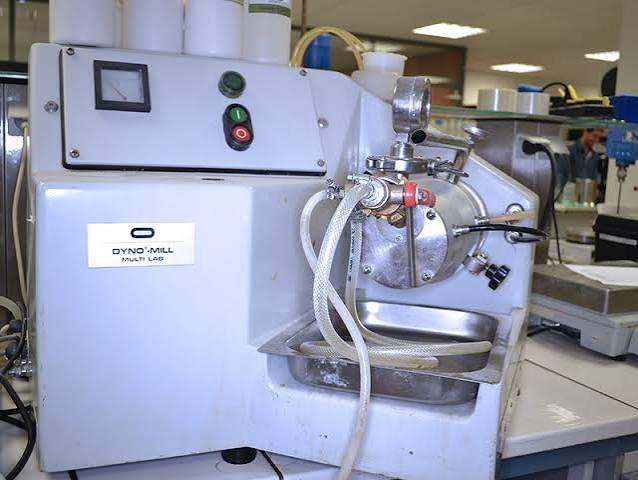
Foam is a common challenge across many industrial processes, particularly where mixing, agitation, aeration, fermentation, circulation, or chemical reactions take place. Uncontrolled foam can reduce usable equipment capacity, interfere with production operations, increase cleaning requirements, and create inconsistencies in processing. Effective foam control solutions help industries manage these challenges by reducing excessive foam and supporting smoother process operation. The right approach depends on the characteristics of the application, including temperature, pH, raw materials, processing speed, equipment design, and foam generation mechanisms.
Understanding Industrial Foam Challenges
Why Foam Develops
Foam forms when gas becomes dispersed within a liquid and surface active materials stabilize the resulting bubbles. Surfactants, proteins, organic compounds, polymers, and other ingredients can contribute to foam formation. Mechanical agitation and aeration can further increase the amount of trapped air within a process. While some foam may be expected, excessive accumulation can create operational problems. Understanding why foam develops is therefore an important first step toward selecting an appropriate control strategy. A process specific assessment can help identify the conditions responsible for persistent or rapidly developing foam.
Problems Caused by Excessive Foam
Excessive foam can occupy valuable space within tanks and processing vessels, limiting their effective working capacity. It can also cause overflow, contamination concerns, production interruptions, and additional cleaning requirements. In some applications, foam may interfere with pumps, filters, sensors, filling systems, or heat transfer operations. Persistent foam can make it difficult for operators to maintain consistent process conditions. By controlling foam at appropriate stages, industrial operations can improve process stability and reduce disruptions associated with uncontrolled bubble formation.
Supporting Better Production Efficiency
Improving Equipment Utilization
Industrial equipment is often designed to operate within specific working volumes. Excessive foam can reduce the amount of liquid that can safely be processed because additional headspace may be required to prevent overflow. Effective foam management can help maintain more practical working volumes while reducing the likelihood of foam reaching equipment outlets or surrounding areas. Better utilization of processing vessels can support production efficiency without necessarily requiring additional equipment. This can be particularly valuable in operations where production capacity is closely linked to vessel size and processing cycle time.
Reducing Production Interruptions
Uncontrolled foam can lead to frequent interruptions when operators need to stop production to remove foam, clean equipment, or adjust operating conditions. Appropriate foam control can reduce the frequency of these disruptions by maintaining more stable process conditions. Continuous operations can particularly benefit from consistent foam management because unexpected interruptions may affect multiple stages of production. Reducing interruptions can help operators maintain production schedules and improve overall workflow. A carefully selected foam control strategy can therefore contribute to more predictable manufacturing performance.
Improving Product Quality
Maintaining Process Consistency
Product quality often depends on consistent processing conditions. Excessive foam can change mixing behavior, interfere with material transfer, and create variations in the amount of air incorporated into a product. These changes may affect texture, appearance, density, or other important characteristics depending on the application. Effective foam management helps maintain more stable operating conditions. Consistent control can be especially useful in industries where small changes during production may influence the properties of the finished material. Process stability therefore remains an important reason for managing foam effectively.
Protecting Downstream Operations
Foam generated during one processing stage can sometimes affect subsequent operations. For example, foam may interfere with filtration, pumping, filling, separation, coating, or packaging. If foam reaches downstream equipment, it can create additional operational challenges and increase the need for corrective measures. Controlling foam earlier in the process can reduce these effects. A suitable formulation should be evaluated not only for immediate foam reduction but also for its influence on downstream operations. This broader assessment can help ensure that foam control supports the entire production system.
Enhancing Process Control
Managing Foam During Mixing
Mixing operations can generate significant foam because of high agitation speeds and air incorporation. The problem can become more noticeable when surfactants or other surface active materials are present. Foam control products can help reduce bubble accumulation while allowing mixing to continue efficiently. The appropriate approach depends on mixing speed, material viscosity, temperature, and formulation characteristics. Proper addition methods are also important because excessive dosing or poor dispersion may reduce efficiency. Application testing can help determine how foam control should be incorporated into a specific mixing process.
Supporting Fermentation Processes
Fermentation can generate considerable foam because of biological activity, aeration, proteins, and other surface active substances. Excessive foam can reduce vessel capacity and potentially create contamination or overflow concerns. Appropriate foam management helps maintain controlled fermentation conditions while supporting efficient use of available vessel volume. Different fermentation processes may require different foam control characteristics depending on the organism, medium, temperature, and aeration conditions. Careful product evaluation is therefore important when foam control materials are used in sensitive biological processing environments.
Benefits Across Different Industries
Food and Food Ingredient Processing
Food processing operations may experience foam during washing, mixing, heating, extraction, and other production stages. Foam can interfere with equipment operation and increase cleaning requirements if it becomes excessive. Suitable foam control can help maintain smoother processing while supporting consistent product handling. In applications where food contact considerations apply, the selected formulation must meet relevant requirements. Process conditions should also be evaluated to ensure compatibility with ingredients and finished products. Proper foam management can support efficient production without compromising important quality considerations.
Chemical and Coating Manufacturing
Chemical manufacturing and coating processes frequently involve high speed mixing, dispersing, pumping, and circulation. These activities can introduce air and generate persistent foam. Excessive foam may interfere with dispersion, filling, surface appearance, and equipment performance. Suitable foam control can help maintain more stable processing conditions. However, compatibility with the final formulation is particularly important because changes in surface characteristics may influence coating behavior or finished product appearance. Testing under representative conditions can help identify a suitable approach for maintaining both foam control and product performance.
Construction Material Production
Products such as mortar, plaster, gypsum based materials, tile adhesives, and other construction formulations can experience foam during mixing and processing. Excessive air and foam may affect density, workability, surface characteristics, and material consistency. Foam control can help manage unwanted bubbles and support more predictable production. The selected formulation should be compatible with the dry or wet material system and should not negatively influence the desired properties of the finished construction product. Process specific evaluation is useful because mixing intensity and formulation composition can vary considerably between applications.
Supporting Cost Efficiency
Reducing Material Loss
Foam related overflow can result in material loss and create additional cleanup requirements. When foam is controlled effectively, the likelihood of product escaping from vessels or processing equipment may be reduced. Better control can help industrial operations retain more usable material within the production system. This can contribute to improved resource utilization and reduce waste associated with foam related incidents. The actual benefit depends on process conditions and the effectiveness of the selected formulation, making proper dosage evaluation important for achieving practical results.
Optimizing Foam Control Dosage
Efficient foam management does not necessarily require the highest possible dosage. Excessive application can increase material consumption and may create unwanted interactions with the process. An appropriate dosage should provide sufficient foam reduction while maintaining compatibility and cost efficiency. Manufacturers and technical teams can evaluate dosage through laboratory, pilot, or production testing. Monitoring foam behavior can also help determine whether application rates should change according to different production stages. Optimized dosage can support effective control while minimizing unnecessary consumption.
Selecting an Appropriate Foam Control Strategy
Evaluating Process Conditions
The right foam control approach should begin with an assessment of the process. Important factors include temperature, pH, viscosity, agitation, aeration, raw materials, processing time, and equipment configuration. Understanding these conditions helps identify the formulation characteristics required for effective performance. A product designed for one environment may not perform equally well in another. Industrial users should therefore avoid selecting foam control materials solely according to general product descriptions. A detailed process evaluation provides a stronger foundation for selecting an appropriate solution.
Testing Before Implementation
Testing provides valuable evidence before a foam control product is introduced into regular production. Laboratory evaluations can compare formulations and estimate dosage requirements, while pilot testing can demonstrate performance under more representative conditions. Production trials can provide additional confirmation during normal operations. Testing should consider both foam reduction and potential effects on product quality, downstream processing, equipment, and cleaning. This comprehensive approach can reduce the risk of unexpected problems and improve confidence in the selected foam control strategy.
Long Term Process Benefits
Effective foam management can contribute to more than immediate foam reduction. Stable processing conditions can improve production consistency, reduce interruptions, support equipment utilization, and simplify operational management. Over time, these improvements may contribute to better resource efficiency and more predictable manufacturing performance. Regular monitoring can help identify changes in foam behavior caused by variations in raw materials, equipment settings, or production conditions. Adjusting the foam control strategy when necessary can help maintain performance as the manufacturing environment evolves.
Conclusion
Foam control is an important part of efficient industrial processing because uncontrolled foam can affect equipment capacity, production continuity, product quality, material usage, and downstream operations. A suitable strategy considers the specific causes of foam and evaluates formulation compatibility, dosage, application method, and process conditions. Testing and ongoing monitoring can further improve reliability and efficiency. By adopting a process focused approach to foam management, industrial operations can achieve more stable production and better resource utilization. PMC Ouvrie provides expertise focused on developing and supporting foam control approaches for diverse industrial processing requirements.
 Romaian
 English
 Arabic
 French
 Spanish
 Portuguese
 Deutsch
 Turkish
 Dutch
 Italiano
 Russian
 Portuguese (Brazil)
 Greek