


How Ethanol Fermentation Defoamer Supports Efficient Foam Management
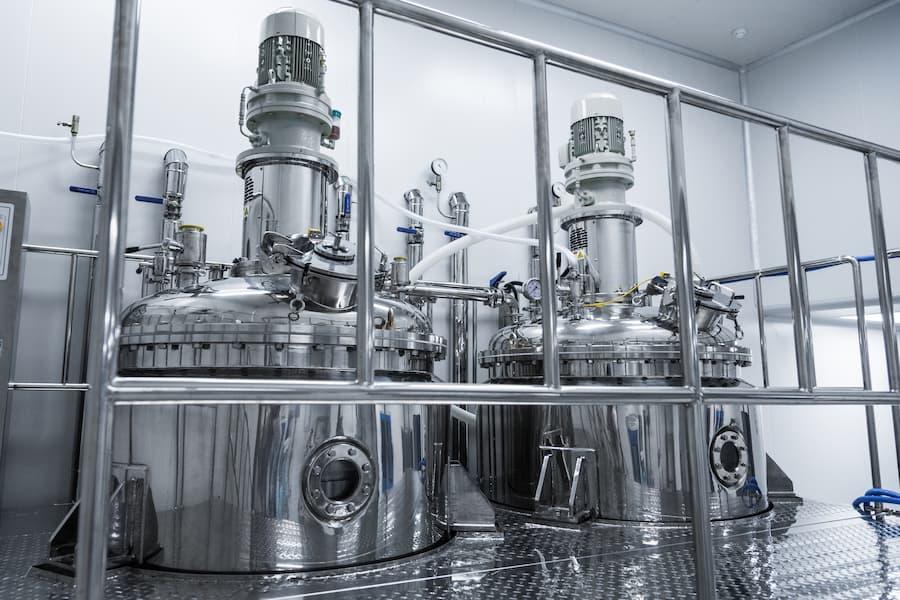
Foam formation is a common operational challenge during ethanol production because fermentation involves biological activity, agitation, gas release, and complex liquid compositions. Excessive foam can reduce vessel capacity, interfere with monitoring equipment, increase overflow risks, and interrupt production. Using an appropriate ethanol fermentation defoamer can help manufacturers maintain manageable foam levels while supporting stable fermentation conditions. The selected formulation should be evaluated according to fermentation characteristics, temperature, pH, raw materials, equipment configuration, dosage requirements, and downstream processing needs. Effective foam management can contribute to smoother operation and improved production efficiency.
Understanding Foam During Ethanol Fermentation
Causes of Fermentation Foam
Foam develops during ethanol fermentation as microorganisms convert sugars into ethanol and carbon dioxide. Gas generation can create bubbles that become stabilized by proteins, carbohydrates, nutrients, and other components within the fermentation medium. Agitation and liquid movement may further increase foam formation. The amount and persistence of foam can vary according to the feedstock, fermentation conditions, microorganism activity, and vessel design. Understanding these factors helps production teams identify where foam is most likely to become problematic and determine an appropriate control strategy.
Why Foam Requires Attention
Excessive fermentation foam can occupy significant space within tanks and reduce the effective working volume available for fermentation. It may also reach sensors, vents, and other equipment components, creating operational difficulties. Overflow can result in material loss and require additional cleaning. In severe cases, foam may force operators to slow or interrupt fermentation activities. Maintaining controlled foam levels can therefore help production teams protect vessel capacity, improve process stability, and reduce avoidable disruptions throughout ethanol manufacturing operations.
Supporting Fermentation Efficiency
Maintaining Working Capacity
Fermentation vessels are designed to accommodate liquid and gas production within controlled operating limits. Excessive foam reduces the available space and may require operators to use lower fill volumes. This can limit production capacity and reduce the amount of feedstock processed during each batch. Effective foam management allows manufacturers to make better use of available vessel capacity while maintaining suitable operating conditions. Stable foam levels can also make process monitoring easier and reduce the likelihood of overflow during periods of high fermentation activity.
Reducing Production Interruptions
Unexpected foam can create situations that require immediate operator intervention. Production personnel may need to adjust process conditions, reduce agitation, or stop certain operations to prevent overflow. Such interventions can affect production schedules and increase labor requirements. Consistent foam control can reduce the frequency of these interruptions and support smoother fermentation cycles. By maintaining manageable foam levels, manufacturers can focus on controlling important fermentation parameters rather than repeatedly responding to foam related problems.
Selecting the Right Defoamer
Considering Fermentation Conditions
A defoamer should be selected according to the specific conditions of the ethanol fermentation process. Temperature, pH, feedstock composition, agitation, fermentation duration, and microorganism activity can influence foam behavior and product performance. Manufacturers should provide suppliers with accurate process information before selecting a formulation. This allows technical specialists to assess the application more effectively. Choosing a product according to actual fermentation conditions can improve foam control and reduce the risk of inconsistent performance during different production stages.
Evaluating Formulation Compatibility
Compatibility is especially important in fermentation because the process depends on biological activity and carefully controlled conditions. The selected defoamer should control foam without unnecessarily affecting fermentation performance or downstream processing. Laboratory and pilot testing can provide useful information about compatibility and dosage requirements. Production teams should observe fermentation behavior and evaluate relevant process characteristics during testing. A careful evaluation can help identify potential concerns before the formulation is introduced into regular full scale production.
Optimizing Defoamer Dosage
Finding an Effective Dosage
The correct dosage depends on foam intensity, fermentation conditions, product characteristics, and application method. Using too little defoamer may provide insufficient control, while excessive dosing can increase material consumption and operating costs. Controlled trials can help determine an effective dosage range. Manufacturers should monitor foam levels and process performance while adjusting the amount gradually. Establishing a practical dosage can help achieve reliable foam reduction without unnecessary product use, supporting both process stability and cost management.
Maintaining Consistent Application
Consistent dosing can be important when foam levels change throughout fermentation. Automated dosing systems can help deliver controlled quantities at selected points, while manual application may require closer monitoring. The application method should be appropriate for the fermentation equipment and production scale. Production teams should also monitor whether foam behavior changes during different stages of fermentation. Consistent application and regular observation can help ensure that foam remains manageable throughout the batch rather than becoming a significant problem during periods of increased gas generation.
Protecting Fermentation Performance
Maintaining Stable Conditions
Fermentation depends on maintaining suitable environmental conditions for microbial activity. Significant changes in process conditions can affect fermentation performance and final production results. Excessive foam may complicate monitoring and create pressure on equipment systems. Effective foam management can help operators maintain more stable working conditions and improve visibility into the fermentation process. By reducing unnecessary foam related complications, production teams can focus on monitoring temperature, pH, nutrient availability, sugar consumption, and other factors that influence fermentation efficiency.
Supporting Downstream Processing
Foam control can also affect operations that occur after fermentation. Fermented material may move through separation, distillation, filtration, or other processing stages where excessive foam can create additional challenges. A suitable defoamer should therefore be considered not only for its immediate fermentation performance but also for its potential effect on subsequent processing. Testing can help determine whether the selected formulation supports smooth downstream operations. Considering the entire production sequence can lead to a more effective and practical foam management strategy.
Improving Equipment Performance
Protecting Fermentation Vessels
Excessive foam can reach vessel outlets, vents, sensors, and other components that are not intended to handle large amounts of foam. This can increase maintenance requirements and create cleaning challenges. Effective foam management can help keep these components functioning more reliably. Production teams should also review the placement of dosing points and monitoring equipment when establishing a foam control strategy. A coordinated approach can help reduce operational problems and support better equipment performance throughout repeated fermentation cycles.
Supporting Monitoring Systems
Accurate monitoring is essential during ethanol fermentation. Sensors may be used to track temperature, pH, liquid level, pressure, and other process conditions. Excessive foam can interfere with some measurement systems or make readings more difficult to interpret. Keeping foam under control can improve the reliability of routine process monitoring. This allows operators to identify changes more quickly and make appropriate adjustments. Better monitoring can contribute to improved process consistency and help reduce the likelihood of unexpected fermentation problems.
Reducing Waste and Cleaning Requirements
Minimizing Overflow
Fermentation foam that escapes from vessels can result in the loss of valuable material. Overflow may also spread across surrounding equipment and production areas, increasing cleaning requirements. Effective foam control can help keep fermentation material within designated processing equipment. This may reduce unnecessary product loss and support cleaner working conditions. Businesses can monitor overflow incidents before and after implementing improved foam management to determine whether the selected approach provides measurable operational benefits.
Supporting Efficient Cleaning
Foam related spills and buildup can require additional cleaning time, water, labor, and production downtime. Reducing excessive foam may help limit these issues and support more efficient cleaning routines. This can be particularly beneficial in facilities operating multiple fermentation vessels or continuous production systems. A well designed foam control strategy should therefore consider both fermentation performance and the practical requirements of maintaining production equipment. Reduced cleaning demands can contribute to improved resource utilization and operational efficiency.
Testing Before Full Scale Application
Laboratory Testing
Laboratory testing allows manufacturers to evaluate potential defoamers under controlled fermentation conditions. Tests can examine foam suppression, dosage, compatibility, and effects on fermentation behavior. Using representative feedstocks and process conditions can make the results more meaningful. Laboratory trials can also help compare multiple formulations before larger quantities are introduced. This approach provides production teams with useful information and reduces uncertainty when selecting a product for commercial ethanol fermentation.
Pilot and Production Trials
Pilot testing can provide additional information about performance under conditions that more closely resemble full scale production. Fermentation volume, agitation, gas generation, temperature, and raw material composition may influence foam behavior differently at larger scales. During trials, production teams should monitor foam levels, product consumption, fermentation performance, and downstream processing. These observations can help determine whether the selected formulation performs consistently and whether dosage or application methods require adjustment before regular implementation.
Evaluating Supplier Support
Technical Guidance
Technical support can help manufacturers address complex foam challenges more efficiently. Experienced suppliers can evaluate fermentation conditions and provide recommendations regarding product selection, dosage, application points, and testing. This support can reduce the need for repeated trial and error and help production teams establish a more structured approach to foam management. Ongoing technical communication can also be useful when feedstocks, equipment, or fermentation conditions change and require adjustments to the existing foam control strategy.
Product Consistency
Consistent product quality is important for repeated fermentation batches. Variations in formulation characteristics can lead to changes in foam control and may require adjustments to dosing. Businesses should therefore consider supplier quality control procedures and manufacturing consistency when selecting a product. Reliable formulation performance can simplify application and support predictable results. A supplier that maintains clear quality standards and provides technical documentation can help production teams integrate the defoamer more confidently into routine ethanol fermentation operations.
Supporting Overall Process Efficiency
Improving Resource Utilization
Effective foam control can help manufacturers use fermentation vessels, labor, materials, and production time more efficiently. Reduced overflow can minimize material losses, while fewer interruptions can support more consistent production schedules. Lower cleaning requirements may also reduce water and labor consumption. Businesses should evaluate these factors when measuring the overall value of a defoamer. Looking beyond immediate foam suppression can provide a clearer understanding of how foam management contributes to broader operational efficiency.
Monitoring Long Term Performance
Foam management should be monitored continuously rather than treated as a one time adjustment. Production teams can track foam levels, dosage, fermentation performance, downtime, cleaning requirements, and material losses over time. These measurements can identify trends and reveal opportunities for optimization. If raw materials or fermentation conditions change, the foam control strategy may also need adjustment. Regular performance reviews help manufacturers maintain an effective approach and respond quickly to new challenges.
Conclusion
Effective foam management is an important part of maintaining stable and efficient ethanol fermentation. Businesses should consider fermentation conditions, product compatibility, dosage, equipment requirements, testing, supplier support, and long term performance before selecting a defoamer. Proper foam control can help protect vessel capacity, reduce interruptions, minimize material losses, and support smoother downstream processing. Regular monitoring and controlled testing can further improve application efficiency. PMC Ouvrie can support businesses seeking practical solutions for dependable foam management across demanding ethanol fermentation and industrial processing applications.
 Dutch
 English
 Arabic
 French
 Spanish
 Portuguese
 Deutsch
 Turkish
 Italiano
 Russian
 Romaian
 Portuguese (Brazil)
 Greek