


Key Factors to Consider When Selecting Switchgear Companies for Your Facility
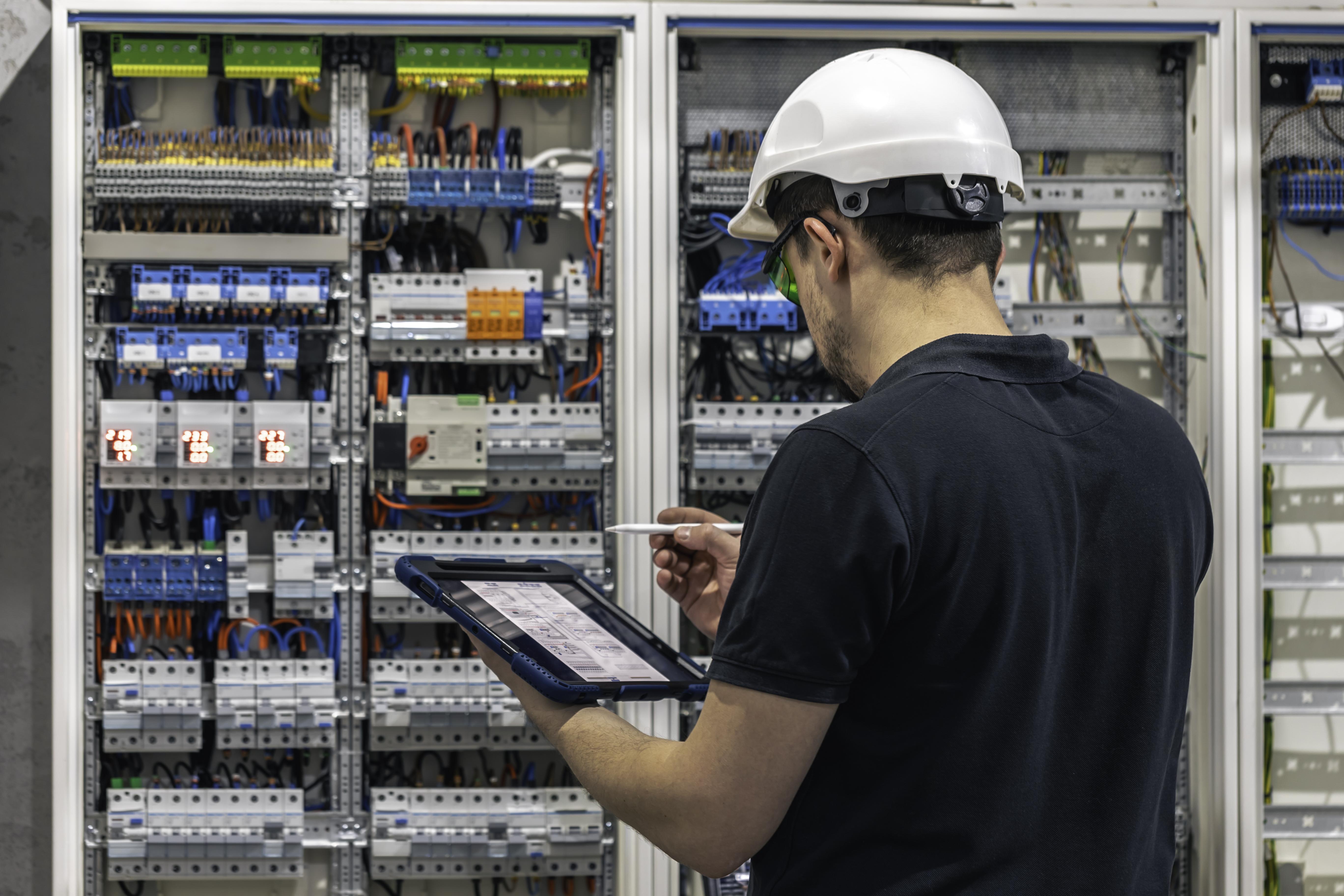
Selecting electrical equipment for a facility is a decision that can influence safety, uptime, maintenance costs, and long-term operating performance. Switchgear forms a critical part of the electrical distribution network, controlling how power is supplied, protected, isolated, and distributed to different sections of a building or industrial site.
The challenge is that not every electrical panel provider offers the same engineering capability, testing standards, customization, or after-sales support. A suitable provider should understand the facility's actual load requirements and design equipment that works reliably with circuit breakers, busbars, distribution boards, motors, generators, and automation systems.
For this reason, evaluating a provider should go beyond comparing quotations. Technical competence, manufacturing quality, compliance, project experience, and lifecycle support should all be considered before making a final decision.
Start With Your Facility's Electrical Requirements
Before approaching suppliers, define what the electrical system needs to achieve. A commercial building may require reliable distribution for lighting, HVAC, lifts, fire systems, and office equipment, while an industrial plant may have substantial motor loads, production machinery, compressors, and automated processes.
The electrical design should account for voltage levels, connected loads, maximum demand, future expansion, short-circuit levels, environmental conditions, and required protection. Understanding these requirements allows you to compare proposals based on technical suitability rather than price alone.
A provider should also be willing to review existing single-line diagrams and electrical infrastructure where the project involves an upgrade or replacement.
Evaluate Engineering Capability, Not Just Equipment
A switchboard may look straightforward from the outside, but its internal engineering determines how effectively it performs under operating and fault conditions. Busbar sizing, breaker selection, cable termination, protection settings, enclosure construction, internal segregation, and heat management all require careful consideration.
When comparing Switchgear Companies, ask whether they have qualified electrical engineers involved in design and whether their proposals are based on your facility's actual requirements.
Strong engineering capability is particularly important for complex installations involving MDB panels, SMDB panels, MCC panels, generator systems, and automated control equipment. The provider should be able to explain why specific components and configurations are being recommended.
Check Manufacturing and Assembly Standards
Manufacturing quality has a direct effect on panel reliability. Poorly installed wiring, inadequate clearances, weak mechanical connections, incorrectly sized busbars, or inconsistent assembly practices can create problems after commissioning.
This is where the capabilities of experienced Switchgear Manufacturers become important. A competent manufacturer should have controlled assembly procedures, documented inspections, appropriate testing equipment, and traceable quality checks.
Ask about factory acceptance testing, routine electrical tests, insulation resistance testing, wiring verification, functional checks, and inspection of mechanical assemblies. These procedures provide greater confidence that the completed panel matches the approved design.
Confirm Compliance With Relevant Standards
Electrical switchgear should be designed and manufactured according to applicable standards and project specifications. IEC standards are commonly referenced for low-voltage switchgear and controlgear assemblies, although the exact requirements depend on the application and local project regulations.
Compliance should not be treated as a statement on a quotation alone. Request technical documentation, test records, component specifications, and other relevant certification where applicable.
A technically capable provider should also understand how compliance affects practical decisions such as enclosure construction, temperature rise, short-circuit withstand capability, protection, clearances, and internal arrangement.
Look at the Complete Product Range
A facility rarely depends on one type of electrical panel. Its distribution architecture may include several levels of equipment, each serving a specific purpose.
LV and Main Distribution
LV Panels and MDB panels manage major sections of the low-voltage distribution network. Their design must accommodate incoming supplies, outgoing feeders, protective devices, metering, and appropriate busbar arrangements.
SMDB panels and final distribution boards then distribute power closer to individual areas or equipment. Selecting a provider capable of working across these different levels can make system coordination easier.
Motor and Control Applications
Industrial facilities may require MCC panels for motor feeders and Control Panels for equipment monitoring and operation. These systems may also interface with PLCs, sensors, variable frequency drives, and other automation equipment.
If the same engineering approach is maintained across distribution and control systems, troubleshooting and future modifications can become more straightforward.
Consider Protection and Fault Management
Protection is one of the most important technical considerations when selecting a switchgear provider. Circuit breakers and protective devices must respond appropriately to overloads, short circuits, earth faults, and other abnormal conditions.
Protection coordination helps ensure that the device closest to a fault operates without unnecessarily shutting down unaffected sections of the facility. This is especially important in industrial environments where an avoidable trip can interrupt an entire production process.
Ask potential providers how they approach breaker selection, fault-level calculations, protection settings, and coordination with existing equipment.
Assess Customization and Future Expansion
Standard panel configurations may not always suit a facility's actual requirements. Equipment may need to accommodate unusual load arrangements, space restrictions, generator integration, additional feeders, metering systems, or future expansion.
A capable provider should be able to modify the panel architecture without compromising safety or maintainability. For example, an industrial facility planning another production line may need spare outgoing ways and adequate busbar capacity for future loads.
This approach can reduce the need for major electrical modifications when the facility expands.
Examine Testing, Installation, and Commissioning Support
Panel manufacturing is only one stage of a successful electrical project. Installation and commissioning can reveal issues related to cable termination, phase sequence, protection settings, communication signals, or integration with other equipment.
A reliable provider should have a structured process covering design review, assembly, inspection, testing, delivery, installation support, commissioning, and handover.
A Practical Selection Process
-
Define the electrical requirements: Document loads, voltage, fault levels, operating conditions, and expansion plans.
-
Review technical proposals: Compare panel specifications, component selections, protection arrangements, and construction details.
-
Verify manufacturing capability: Examine testing procedures, quality controls, engineering resources, and relevant experience.
-
Check compliance documentation: Review applicable standards, certificates, test reports, and technical drawings.
-
Assess project support: Confirm installation, commissioning, troubleshooting, and documentation capabilities.
-
Compare lifecycle value: Consider maintenance, spare parts, response times, upgrades, and long-term support.
This process provides a more reliable basis for choosing an electrical partner than comparing the initial purchase price alone.
Don't Overlook Maintenance and After-Sales Support
Switchgear operates continuously and is exposed to electrical loading, temperature changes, dust, vibration, and switching activity. Even well-designed equipment requires inspection and preventive maintenance throughout its operating life.
Ask whether the provider can support electrical panel maintenance, LV switchgear maintenance, testing, fault diagnostics, and component replacement after commissioning.
Regular inspections can identify loose connections, overheating, insulation deterioration, breaker issues, and signs of panel aging before they develop into major failures. Good maintenance support can therefore contribute directly to operational reliability.
Consider Experience With Integrated Electrical Systems
Modern facilities increasingly combine power distribution with automation, monitoring, and energy-management systems. Switchgear may need to communicate with PLCs, SCADA platforms, building management systems, or remote monitoring equipment.
This means the provider should understand more than individual panels. Experience with automation solutions, generator integration, load management, and control systems can be valuable when developing a coordinated electrical infrastructure.
For example, Voltronix Switchgear works across areas such as LV distribution, MCC panels, generator panels, control panels, switchgear manufacturing, and maintenance. This broader technical scope can be useful when several electrical systems need to operate together rather than being designed as separate installations.
Compare Long-Term Value Instead of Initial Cost
The cheapest quotation is not necessarily the most economical solution. A lower upfront price may result from reduced component quality, limited testing, insufficient documentation, or restricted technical support.
Instead, compare the total value of each proposal. Consider equipment quality, expected service life, maintenance requirements, energy performance, availability of replacement components, warranty conditions, technical response, and future modification requirements.
A well-engineered switchgear system can reduce operational risks and avoid costly interruptions over its service life.
Questions to Ask Before Making the Final Decision
Before appointing a provider, ask:
-
What electrical standards will the panels comply with?
-
What testing will be completed before delivery?
-
Can the equipment be customized for current and future loads?
-
How will protection coordination be addressed?
-
Does the provider have experience with similar facilities?
-
What documentation will be provided at handover?
-
Is commissioning support available?
-
What maintenance and troubleshooting services are offered?
-
How quickly can technical assistance be provided?
-
Can the provider support future upgrades?
Clear answers to these questions can reveal the difference between a basic equipment supplier and a technically capable electrical partner.
Conclusion
Choosing the right switchgear provider requires a broader assessment than product pricing or delivery schedules. Engineering expertise, manufacturing quality, IEC compliance, protection design, testing, customization, commissioning, and maintenance support all contribute to the reliability of an electrical distribution system.
The best choice is a provider that understands how individual panels fit into the facility's wider electrical infrastructure. By evaluating technical capability and long-term support alongside cost, facility owners and project teams can make a more informed decision and build a safer, more dependable power-distribution system.
 Dutch
 English
 Arabic
 French
 Spanish
 Portuguese
 Deutsch
 Turkish
 Italiano
 Russian
 Romaian
 Portuguese (Brazil)
 Greek