


FAHU Installation Dubai for Controlled Fresh Air Management
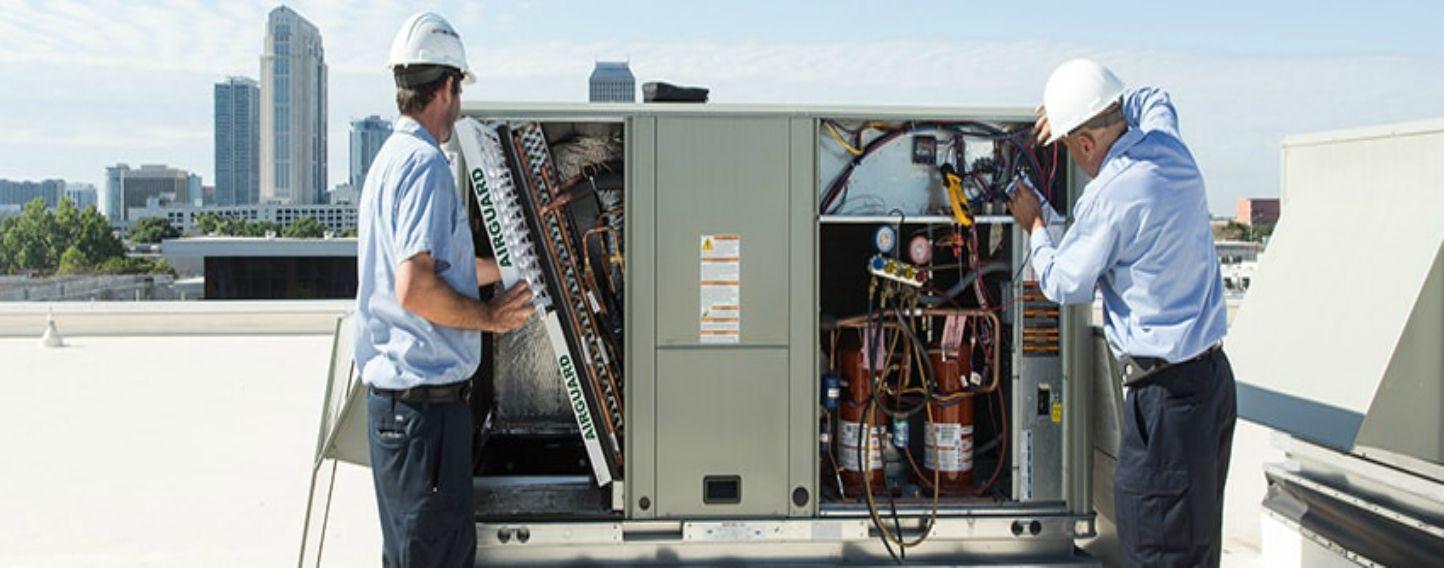
Modern buildings are increasingly designed around controlled indoor environments, particularly where large numbers of people occupy enclosed spaces for extended periods. Offices, hotels, hospitals, shopping centres, educational facilities, and commercial developments all need a dependable way to introduce outdoor air without allowing excessive heat, humidity, dust, or contaminants to enter.
FAHU installation Dubai provides a dedicated approach to treating incoming fresh air before it reaches occupied areas. A Fresh Air Handling Unit is designed to condition outdoor air through filtration, cooling, dehumidification, and controlled distribution. Its role is therefore different from simply circulating air that is already inside a building.
What Happens Before Fresh Air Reaches a Room?
Outdoor air entering a building can carry considerable heat and moisture, particularly during demanding weather conditions. If that air is introduced without treatment, the cooling system may have to compensate for the additional thermal load. A FAHU processes the incoming air before it is distributed through the building.
Depending on the design, this can involve filtration, temperature reduction, moisture control, and other treatment stages. The result is a more controlled supply of outdoor air that can be integrated into the building's wider environmental strategy.
Filtration Has an Important Role
Fresh air systems are exposed directly to the outdoor environment, making filtration an important part of their operation. Dust and airborne particles can enter through outdoor air intakes and accumulate within equipment if appropriate filtration is not provided.
Filter selection depends on the building's purpose and environmental requirements. A healthcare facility may have substantially different filtration expectations from a warehouse or conventional office. Correct filter arrangements also need to be considered alongside pressure loss because excessive resistance can affect airflow and fan performance.
Humidity Control Cannot Be Overlooked
Temperature is only one part of indoor comfort. Excess moisture can create an uncomfortable environment and may contribute to condensation or other building problems when conditions are not properly controlled.
A dedicated fresh-air unit can help manage the moisture introduced from outside before the air enters occupied zones. This becomes particularly useful in buildings where ventilation requirements are high or where doors are frequently opened. Effective humidity management can also reduce the burden placed on other cooling equipment.
Designing for High-Occupancy Areas
Buildings with changing occupancy levels can experience substantial variations in fresh-air demand. Meeting rooms may fill suddenly, restaurants operate at different intensities throughout the day, and hotel common areas can experience constantly changing visitor numbers. The ventilation strategy should account for these patterns rather than assuming a constant demand everywhere.
Air volume, distribution routes, controls, and equipment capacity all influence how effectively the building responds to changing occupancy. For large commercial developments, HVAC installation company Dubai expertise can help coordinate the fresh-air equipment with the broader climate control infrastructure. Proper coordination supports a more responsive indoor environment.
Keeping Air Distribution Balanced
A properly conditioned air supply is only useful if it reaches the intended spaces in the correct quantity. Duct dimensions, pressure levels, diffuser positions, return-air arrangements, and building zoning all affect distribution.
Poor balancing can leave some areas under-ventilated while other zones receive excessive airflow. This may create uncomfortable conditions and unnecessary energy consumption. Testing and balancing after installation helps confirm that the designed airflow reaches the required areas and that the system performs according to its intended operating parameters.
Choosing the Right Equipment Location
The physical location of a FAHU affects both installation and future operation. Equipment needs sufficient clearance around service panels, filters, coils, fans, and other components that require periodic inspection. Outdoor installations also need suitable protection and airflow conditions, while indoor plant rooms require adequate space for access and connected ductwork.
Equipment placement should be considered alongside structural conditions, electrical supply, drainage, and duct routing rather than treated as an isolated decision. Accessible equipment is easier to inspect and manage throughout its service life.
Integration With Existing Air Systems
A fresh-air unit often works alongside other air conditioning equipment rather than replacing it. The building may already contain AHUs, FCUs, VRF systems, exhaust arrangements, or centralised cooling equipment. The interaction between these systems needs to be understood before installation.
Fresh air must be introduced at appropriate locations without creating pressure problems or disrupting the intended air distribution strategy. Where ongoing servicing is required, FAHU repair service Dubai can become relevant when fans, filters, controls, coils, or other components require inspection or corrective work. Integrated operation is essential for achieving the intended ventilation outcome.
Commissioning Should Verify Real Conditions
Completing the physical installation is not the final measure of success. The unit should be tested under operating conditions to verify airflow, temperature, pressure, controls, and other relevant parameters.
Commissioning can reveal issues that are difficult to identify visually, such as incorrect fan settings, restricted airflow, control problems, or uneven distribution. Proper testing gives facility teams a clearer understanding of how the equipment should operate and provides useful information for future servicing.
Preparing for Long-Term Operation
Fresh-air equipment works continuously in many commercial properties, meaning its condition can gradually change through filter loading, component wear, and environmental exposure. Maintenance access, replacement requirements, inspection points, and equipment documentation should therefore be considered from the beginning.
A practical installation makes routine servicing less disruptive and helps facility teams respond more effectively when components require attention. Long-term performance is strongly influenced by decisions made before the unit begins operating.
Final Thoughts
Fresh-air management is a fundamental part of maintaining controlled indoor environments in modern buildings. Professional FAHU installation Dubai provides a dedicated method of treating outdoor air before it enters occupied spaces, helping manage temperature, humidity, filtration, and ventilation requirements.
When equipment selection, airflow distribution, system integration, commissioning, and future accessibility are considered together, a fresh-air installation can provide dependable ventilation while supporting the wider environmental performance of commercial and institutional buildings.
 Portuguese
 English
 Arabic
 French
 Spanish
 Deutsch
 Turkish
 Dutch
 Italiano
 Russian
 Romaian
 Portuguese (Brazil)
 Greek