


How Is a Root Canal Tooth Restored?
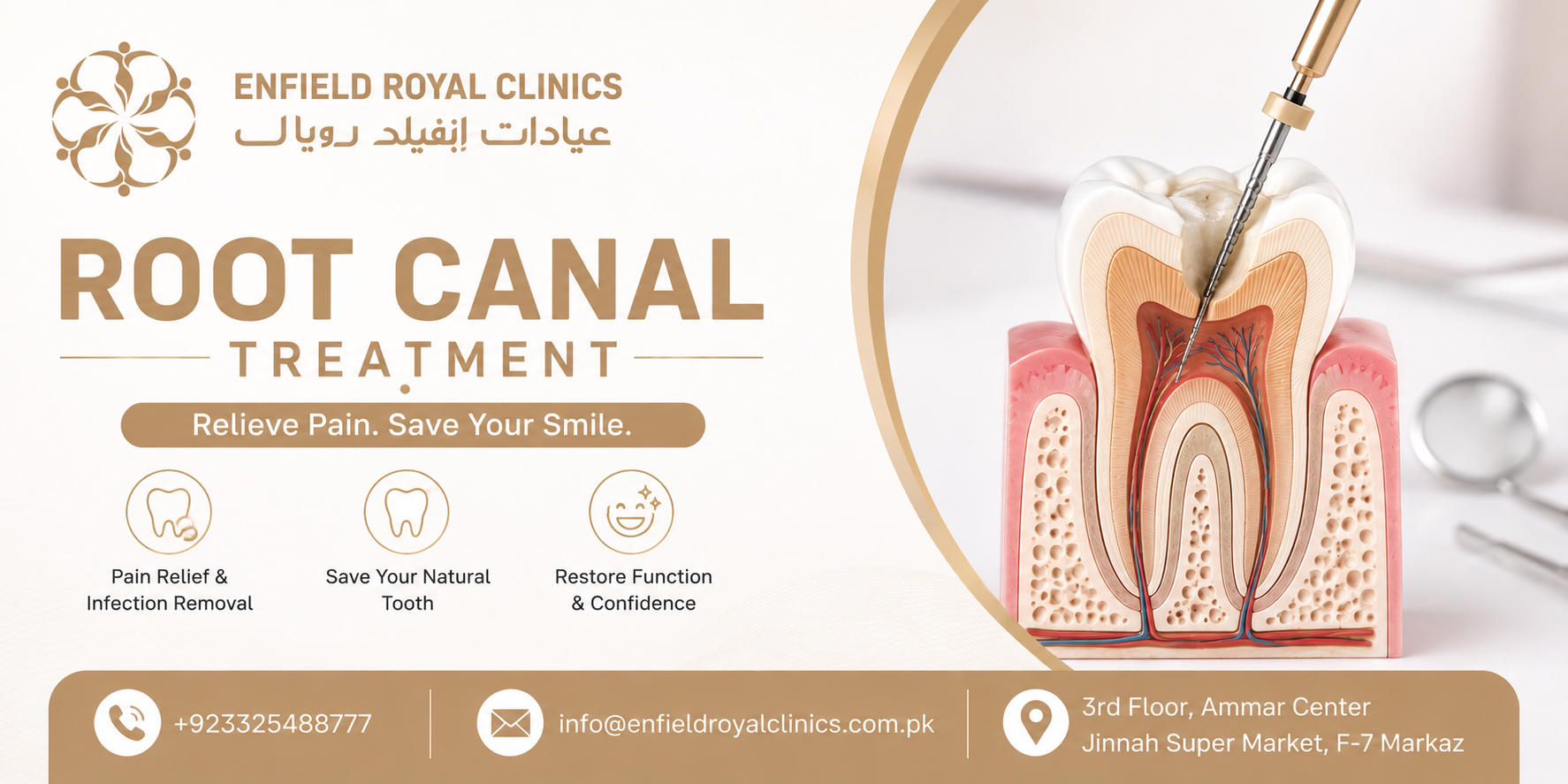
Treating an infected tooth does not always end when the damaged tissue has been removed. After the internal canals have been cleaned and sealed, the tooth usually needs a suitable restoration to regain its strength, shape, and normal function. The type of restoration depends on how much healthy tooth structure remains and where the tooth is located.
Root Canal Treatment addresses infection inside the tooth, while the final restoration protects the remaining structure from further damage. Understanding this final stage can help patients know what to expect after their dental procedure.
Why Does a Treated Tooth Need Restoration?
A tooth that requires internal treatment has often already been weakened by deep decay, a large filling, a crack, or trauma. Removing damaged pulp does not rebuild the tooth structure that has been lost.
After treatment, the remaining tooth may be more vulnerable to pressure, especially when a large amount of enamel and dentin has been removed. A suitable restoration helps seal the tooth and restore its ability to handle normal biting and chewing.
Without proper restoration, bacteria may enter through damaged areas and the tooth may become more vulnerable to fracture.
What Happens Immediately After Treatment?
Once the root canals have been cleaned, shaped, and sealed, the dentist closes the opening created in the tooth.
Depending on the treatment plan, this may initially involve a temporary filling. A temporary restoration protects the tooth until the dentist can complete the permanent restoration.
The timing depends on the condition of the tooth. Some patients can receive their final restoration soon after the internal procedure, while others may need a follow-up appointment.
During this stage, patients are usually advised to avoid placing excessive pressure on the tooth.
When Is a Filling Enough?
A permanent filling may be appropriate when a tooth retains a substantial amount of healthy structure and does not need extensive protection.
This is more commonly considered for certain front teeth, which generally experience different forces from the back teeth. If the tooth has not lost much of its structure, a strong bonded filling may restore its appearance and function.
However, the decision is based on the individual tooth rather than a strict rule. A dentist will consider the size of the cavity, remaining tooth structure, location, bite forces, and overall condition.
When Is a Crown Recommended?
A dental crown is often considered when a tooth has lost a large amount of structure and needs greater protection. Crowns cover the visible portion of the tooth and help distribute chewing forces.
Back teeth, particularly molars, are more likely to need crowns because they experience significant pressure during chewing. A weakened molar can be at greater risk of fracture if it is restored without adequate protection.
A crown may also be recommended when a large existing filling or extensive decay has left only thin walls of natural tooth structure.
How Is a Crown Placed?
If a crown is selected, the dentist first prepares the remaining tooth so the restoration can fit securely. Some material may need to be removed from around the tooth to create space for the crown.
The dentist takes impressions or uses digital scanning technology to create a restoration that fits the tooth and bite. A temporary crown may be placed while the permanent one is being prepared.
At the follow-up appointment, the permanent crown is checked for fit, shape, and bite before being securely cemented or bonded into position.
What Materials Can Be Used?
Dental restorations are available in several materials. Crowns may be made from porcelain, ceramic, zirconia, metal, or combinations of materials.
The choice depends on factors such as the location of the tooth, appearance, chewing forces, available space, and the dentist's recommendation.
For front teeth, appearance may be an important consideration. For back teeth, strength and resistance to chewing forces may be given greater importance.
Your dentist can explain which material is most appropriate for your individual needs.
Why Is a Good Seal Important?
A restoration should create a reliable barrier between the treated tooth and the oral environment. If gaps develop around the restoration, bacteria and fluids may enter and potentially contribute to new decay or reinfection.
A properly fitted restoration helps protect the internal work and the remaining tooth structure.
This is why completing the final restoration according to the dentist's recommendation is an important part of the overall treatment process.
Can a Restored Tooth Break?
Yes. A treated tooth can still fracture, particularly if it has lost substantial structure or is exposed to excessive forces.
A crown can reduce the risk of structural failure in many situations, but it cannot make a tooth completely immune to damage. Biting ice, hard objects, or using the teeth as tools can create excessive pressure.
Patients who grind or clench their teeth may also place additional stress on their restorations. In such cases, a dentist may recommend protective measures.
What Can You Eat After Restoration?
Eating instructions depend on the type of restoration and whether it is temporary or permanent.
If you have a temporary filling or crown, your dentist may advise avoiding sticky or very hard foods until the permanent restoration is placed. Once the final restoration is securely fitted and any anesthesia has worn off, normal eating can usually resume according to professional guidance.
Chewing carefully during the early period can help protect the tooth.
How Should You Care for the Restored Tooth?
A restored tooth still requires the same basic oral hygiene as other teeth. Brush twice daily with fluoride toothpaste and clean between your teeth regularly.
Pay attention to the gumline around a crown or filling because plaque can accumulate there. Regular dental checkups allow the dentist to monitor the restoration and surrounding tissues.
Avoid habits such as chewing ice, biting pens, or opening packages with your teeth. These behaviors can damage both natural teeth and dental restorations.
Can a Restored Tooth Last for Years?
A properly treated and restored tooth can remain functional for many years, although no restoration lasts forever. Longevity depends on the quality of the initial treatment, remaining tooth structure, restoration type, oral hygiene, bite forces, and everyday habits.
Regular dental examinations help detect problems early, such as new decay, cracks, or a damaged restoration.
If a restored tooth becomes painful, swollen, or sensitive when biting, it should be checked by a dental professional.
What Happens If Restoration Is Delayed?
Delaying a recommended permanent restoration can leave a weakened tooth exposed to chewing pressure. A temporary filling is generally designed for short-term protection rather than long-term use.
If the tooth fractures before the final restoration is placed, additional treatment may become necessary. In severe cases, a fracture can make the tooth difficult or impossible to save.
Following the planned restoration schedule is therefore an important part of protecting the results.
Final Thoughts
After Root Canal Treatment, restoring the tooth is essential for protecting its remaining structure and returning it to normal function. Depending on the amount of tooth structure left, restoration may involve a permanent filling or a dental crown.
The dentist will consider the tooth's location, strength, bite forces, and overall condition when selecting the most appropriate option. With a proper restoration, good oral hygiene, and regular dental checkups, a treated tooth can remain functional for many years.
The most important step is to complete the restoration as recommended and avoid habits that could place unnecessary stress on the tooth.
For more information visit Enfield royal clinic in islamabad
 Romaian
 English
 Arabic
 French
 Spanish
 Portuguese
 Deutsch
 Turkish
 Dutch
 Italiano
 Russian
 Portuguese (Brazil)
 Greek