


How Biophilic Design Supports Healthier Indoor Spaces
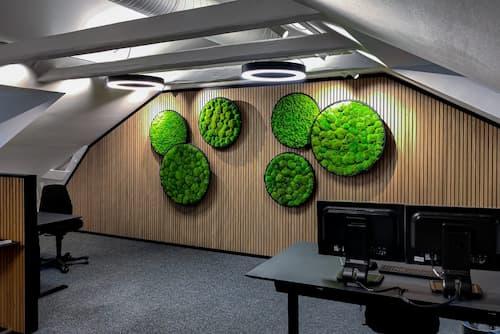
Modern buildings are designed to provide comfort, efficiency, and functionality, yet many people spend most of their day surrounded by artificial materials and limited natural elements. This has increased interest in creating interiors that feel more connected to nature. Thoughtful biophilic design introduces natural features through plants, daylight, organic materials, natural patterns, and carefully planned spaces. Instead of treating nature as simple decoration, this approach considers how indoor environments can support human comfort and wellbeing. When applied effectively, biophilic principles can transform ordinary interiors into welcoming spaces that feel balanced, engaging, and naturally connected.
Understanding Biophilic Design
Bringing Nature Into Indoor Environments
Biophilic design focuses on incorporating elements inspired by the natural world into built environments. Plants are among the most recognizable features, but the concept can include natural light, water features, organic materials, nature inspired patterns, and views of outdoor landscapes. The goal is to create a stronger relationship between people and nature within interior spaces. These elements can be introduced individually or combined into a larger design strategy. When planned thoughtfully, natural features can complement architecture while creating interiors that feel more comfortable and visually engaging.
Moving Beyond Decorative Plants
Adding a few plants to an office does not necessarily create a complete biophilic environment. Effective design considers how natural elements interact with the entire space. Plant placement, daylight, materials, colors, textures, spatial layouts, and views can all contribute to the experience. Plants can become part of a broader design strategy that supports natural connections throughout a building. This approach creates greater consistency than simply adding greenery wherever space is available. The result is an environment where natural elements feel purposeful and integrated with the building's overall design.
The Connection Between Nature and Wellbeing
Creating More Comfortable Surroundings
Indoor environments can strongly influence how people experience their daily surroundings. Spaces dominated by technology, artificial lighting, and hard surfaces may sometimes feel visually repetitive. Natural elements can introduce variety and soften these environments. Greenery, organic textures, and natural colors can make rooms feel more inviting. Although many factors influence wellbeing, a thoughtfully designed environment can contribute to a more comfortable experience. Biophilic strategies provide opportunities to create spaces that consider the human experience alongside practical requirements such as productivity, circulation, and functionality.
Supporting Visual Variety
Natural environments contain a wide range of colors, shapes, patterns, and textures. Bringing some of this variety indoors can make built environments more visually interesting. Plants with different leaf shapes can create contrast, while natural materials can add warmth to modern spaces. Nature inspired patterns can also introduce subtle visual details without overwhelming the interior. This variety can help prevent spaces from appearing monotonous. A balanced combination of natural features allows the environment to feel dynamic while preserving a clean and organized appearance.
Using Plants as a Core Biophilic Element
Selecting Suitable Indoor Plants
Plants can provide one of the most direct connections to nature within an interior. However, plant selection should be based on environmental conditions rather than appearance alone. Light levels, temperature, humidity, available space, and maintenance requirements can all influence which varieties are appropriate. Plants that match their surroundings are more likely to remain healthy and attractive. A professional assessment can help determine which greenery belongs in particular areas. This careful selection supports both the visual goals of the design and the long term success of the installation.
Creating Layered Greenery
Different plant heights and forms can create a more natural appearance within an interior. Tall plants can establish vertical interest, medium sized varieties can fill transitional spaces, and smaller plants can provide detail on desks or shelves. Grouping plants with complementary textures can create depth. However, arrangements should remain balanced and should not interfere with movement or accessibility. Layered greenery can be particularly effective in reception areas, lounges, collaborative spaces, and open offices. It allows natural elements to become visually prominent while remaining integrated with the surrounding environment.
The Importance of Natural Light
Maximizing Available Daylight
Natural light is an important component of nature inspired interiors. Windows, skylights, glass partitions, and open layouts can help bring daylight deeper into buildings. When possible, furniture and plants can be positioned to make effective use of available light without creating glare or obstructing views. Daylight can also strengthen the connection between indoor and outdoor environments. Thoughtful spatial planning allows natural illumination to become part of the overall interior experience. Combining daylight with plants and natural materials can create spaces that feel brighter and more connected to the outside world.
Supporting Plant Health
Natural light also affects the health of indoor plants. Different varieties have different light requirements, so placement should reflect these needs. Plants near bright windows may require different care from those located in interior areas. Artificial lighting can supplement some environments, but it should be considered alongside natural conditions. Selecting plants according to available light can improve long term performance. Proper positioning helps prevent weak growth, damaged foliage, and unnecessary replacement. This demonstrates how plant health and interior design should work together when developing a biophilic environment.
Incorporating Natural Materials
Using Wood and Organic Textures
Natural materials can strengthen the connection between an interior and the outdoor environment. Wood, stone, natural fibers, and other organic finishes can introduce warmth and tactile variety. These materials can be used in furniture, flooring, wall treatments, partitions, and decorative elements. Combining them with greenery can create a cohesive nature inspired appearance. The goal is not to make every surface look natural but to introduce selected elements that complement the overall design. Balanced use of organic materials can soften contemporary interiors while maintaining their functional and professional character.
Creating Material Harmony
Materials should be coordinated so that natural features support rather than compete with one another. A combination of wood furniture, plants, natural textures, and neutral colors can create a calm visual foundation. Different materials can also establish contrast through variations in texture and form. For example, smooth surfaces can be balanced with foliage or textured natural finishes. This creates visual depth without excessive decoration. Careful coordination ensures that biophilic elements feel connected rather than randomly added throughout the interior.
Designing Spaces Around Natural Patterns
Incorporating Organic Forms
Natural environments rarely consist of perfectly rigid shapes. Curved forms, flowing patterns, irregular textures, and asymmetrical arrangements can bring some of this character indoors. Furniture, partitions, lighting features, and decorative elements can incorporate organic shapes to soften structured architecture. Plants naturally contribute irregular forms through their leaves and growth patterns. When combined with other organic elements, these features can create interiors that feel less rigid. The approach can be subtle, allowing nature inspired forms to complement contemporary design without overwhelming the space.
Using Nature Inspired Colors
Colors found in natural environments can influence the atmosphere of an interior. Greens, earthy neutrals, soft browns, muted blues, and other natural tones can complement plants and organic materials. These colors can be introduced through walls, furniture, fabrics, artwork, or accessories. The objective should be balance rather than using a large number of natural shades. A restrained palette can create a cohesive environment where greenery becomes an important visual feature. Natural colors can also work effectively with contemporary interiors that use neutral architectural finishes.
Biophilic Design in Modern Workplaces
Creating More Engaging Offices
Workplaces can use biophilic strategies to create environments that feel more engaging and comfortable. Plants can be incorporated into reception areas, workstations, meeting rooms, lounges, and collaborative zones. Natural materials and daylight can complement the greenery. Different spaces can use different combinations depending on their purpose. Focused work areas may require restrained arrangements, while lounges can accommodate more substantial greenery. This flexible approach allows natural elements to support the specific function of each space while maintaining a consistent overall design.
Supporting Flexible Office Layouts
Modern offices often require layouts that can change as teams and working patterns evolve. Plants can help define areas without creating permanent barriers. Tall greenery can separate zones, while movable planters can be repositioned when furniture changes. This flexibility makes natural elements useful in adaptable workplaces. Biophilic planning can therefore support both the visual and functional needs of changing offices. By designing greenery around current and future layouts, businesses can create environments that remain useful even as workplace requirements develop.
Biophilic Design in Hospitality and Public Spaces
Enhancing Guest Areas
Hotels, restaurants, wellness spaces, and other public environments can use natural elements to create inviting surroundings. Plants can enhance entrances, waiting areas, lounges, dining spaces, and common areas. Natural materials can complement furniture and architectural finishes, while daylight can strengthen the overall atmosphere. These elements can create a sense of warmth without making spaces feel informal. Careful planning is essential because public areas must also consider traffic, accessibility, cleaning, and safety. A successful design balances natural beauty with practical requirements.
Creating Memorable Interior Experiences
Distinctive natural features can help create memorable spaces. Large plant installations, living walls, natural materials, or carefully designed views can become focal points. These features can give visitors a stronger visual connection with the environment. However, memorable design does not require excessive decoration. A single well planned natural feature can have significant visual impact when positioned appropriately. The strongest results usually come from integrating several subtle natural elements rather than relying on one overwhelming installation.
The Role of Maintenance
Keeping Plants Healthy
Biophilic interiors that include plants require ongoing care to remain attractive. Watering, pruning, cleaning foliage, inspecting plants, and monitoring environmental conditions are essential maintenance tasks. Healthy greenery supports the intended appearance of the space, while neglected plants can quickly reduce visual quality. Regular maintenance helps identify problems early and allows adjustments to be made when necessary. A structured care program protects the long term value of interior greenery and ensures that natural elements continue contributing positively to the design.
Adapting to Seasonal Conditions
Indoor conditions can change throughout the year because of heating, cooling, humidity, daylight, and building usage. Plants may respond differently to these changes and require adjustments in care. Regular evaluation helps identify changes in growth, moisture requirements, or light exposure. Seasonal attention can prevent avoidable plant stress. This proactive approach helps maintain a consistent appearance throughout the year. A successful biophilic environment should therefore be considered an evolving system rather than a fixed installation.
Creating Long Term Value Through Biophilic Planning
Designing for Adaptability
Interior spaces often change because of renovations, business growth, furniture updates, or changing user requirements. Biophilic elements should be flexible enough to adapt. Plants can be relocated, planters can be updated, and natural materials can be incorporated into new layouts. Designing with adaptability in mind reduces the need for complete redesigns. It also allows businesses to preserve successful natural features while responding to new needs. Flexible planning can make biophilic strategies more practical over the long term.
Maintaining Design Consistency
A consistent approach helps natural elements feel connected throughout a building. Repeating plant types, materials, colors, or organic patterns can create visual continuity. Individual spaces can still have unique characteristics according to their functions. This balance prevents the interior from appearing repetitive while maintaining a recognizable design direction. Regular evaluation can help ensure that plants and other natural elements remain proportional and appropriate. Long term consistency allows biophilic features to continue supporting the interior as it evolves.
Conclusion
Biophilic design offers a thoughtful way to bring natural elements into modern indoor environments. Plants, daylight, organic materials, natural patterns, and nature inspired colors can work together to create spaces that feel more balanced and visually engaging. Successful implementation depends on understanding the building, selecting suitable natural features, planning their placement, and providing ongoing care.For organizations seeking professional assistance with nature inspired interiors, Interior Plantscapes can help develop greenery solutions that complement different commercial environments. Thoughtful planning can ensure that natural features remain practical, attractive, and adaptable as spaces change. When carefully integrated, biophilic elements can become lasting parts of an interior that support comfort, visual quality, and a stronger connection with nature.
 Dutch
 English
 Arabic
 French
 Spanish
 Portuguese
 Deutsch
 Turkish
 Italiano
 Russian
 Romaian
 Portuguese (Brazil)
 Greek