


Understanding the Value of Hardees Real Estate Properties
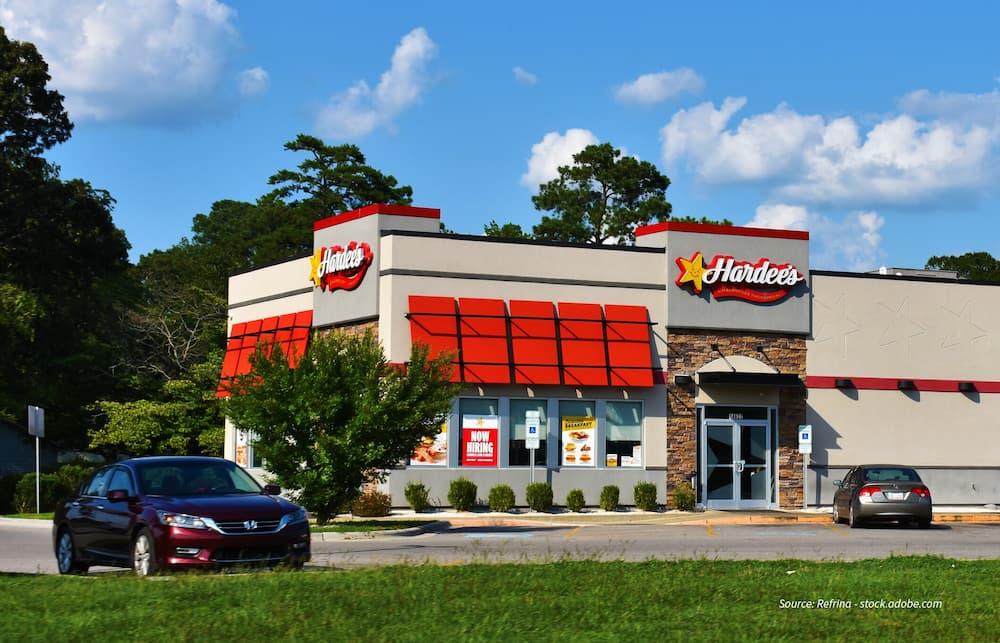
Commercial property investors often evaluate restaurant assets by examining tenant strength, location quality, lease structure, property condition, and long term adaptability. Within this segment, hardees real estate can attract attention because restaurant properties can combine established commercial sites with specialized buildings, parking, signage, and customer access. The franchise system requires franchisees to acquire their own real estate and provides assistance with site selection and restaurant design. This structure can create opportunities for investors to evaluate properties based on both current occupancy and underlying real estate fundamentals.
Strategic Location Can Support Property Value
Location remains one of the most important factors when evaluating restaurant properties because visibility and accessibility can influence customer activity and future marketability. Properties positioned along busy roads, near established shopping centers, employment areas, or growing residential communities may benefit from consistent traffic. Investors should examine roadway access, traffic patterns, surrounding businesses, demographics, signage visibility, and future development plans. The broader site selection process considers population, demographics, competition, and other market characteristics, demonstrating why location analysis is central to evaluating restaurant property opportunities.
Tenant Relationships Can Influence Investment Appeal
Tenant quality can play an important role in commercial property valuation, particularly when investors are considering single tenant restaurant assets. A recognized restaurant operation may provide established customer awareness and an existing use for the property, although investors should never rely on recognition alone. Financial strength, lease obligations, operating performance, remaining lease term, renewal provisions, and tenant responsibilities should all be examined. The franchise system generally uses long term agreements, with current franchise information identifying a 20 year initial agreement term, subject to applicable renewal requirements.
Property Size and Building Functionality Matter
Restaurant properties can possess substantial physical infrastructure that influences both current usefulness and future marketability. Building size, kitchen areas, customer space, parking, access drives, signage, utilities, and other improvements should be reviewed carefully during due diligence. Current franchise development information identifies unit sizes between approximately 2,500 and 3,037 square feet, while estimated investment requirements also include significant building and site improvement costs. Investors should determine whether the existing improvements remain competitive and whether the building could support another restaurant or alternative commercial use if the current tenant eventually leaves.
Lease Structure Affects Investment Returns
Lease structure can directly influence the income characteristics and risk profile of a restaurant property. Investors should carefully review rental rates, remaining lease duration, renewal options, rent increases, taxes, insurance, maintenance responsibilities, repair obligations, assignment provisions, and termination rights. A longer lease can provide greater income visibility, but the underlying property must also justify its acquisition price. Investors should understand whether the property is owned by the tenant, leased from a third party, or involved in another ownership arrangement. The exact contractual structure can significantly affect cash flow, operating responsibilities, and long term valuation.
Demographics Help Determine Market Strength
Local demographics can provide important insight into the potential performance of a restaurant property. Population density, household income, daytime population, employment activity, residential development, traffic patterns, and consumer spending can influence demand. Investors should also evaluate competing restaurants and other businesses serving similar customer groups. The franchise system states that market potential is assessed using population, demographics, competition, and other factors when determining development opportunities. This demonstrates why investors should examine both current conditions and projected market growth before determining whether a particular property has sustainable commercial potential.
Development Opportunities Can Create Additional Value
Restaurant development can create opportunities for property owners and investors when suitable sites become available in growing markets. Franchisees are responsible for acquiring real estate and contracting construction, while the franchisor provides assistance with site selection, design, and construction requirements. Investors controlling well positioned land may therefore evaluate whether a site could support a new restaurant development or redevelopment project. Important considerations include zoning, utilities, traffic access, construction costs, parking requirements, signage regulations, permitting timelines, and surrounding commercial activity. These factors can determine whether a development opportunity is financially practical.
Site Accessibility Can Strengthen Marketability
Accessibility is particularly important for restaurant properties because customers generally expect convenient entry and exit from the site. A property with strong roadway visibility but difficult access may not perform as well as a slightly less prominent location with efficient traffic circulation. Investors should examine turning movements, intersections, driveway placement, parking configuration, pedestrian access, and nearby transportation infrastructure. Site selection materials emphasize high visibility and accessibility as important characteristics for restaurant development. These characteristics can also contribute to future marketability because properties that are easy to access may appeal to a wider range of potential commercial users.
Alternative Use Potential Should Be Considered
Investors should evaluate alternative use potential before purchasing any specialized restaurant property. A building designed for food service may have valuable infrastructure for another restaurant, but conversion to retail, service, office, or other commercial uses could require significant modifications. Zoning, building codes, parking, utility capacity, environmental conditions, and local demand can affect repositioning costs. A property with a strong location and adaptable layout may provide greater residual value than one that depends entirely on continued restaurant occupancy. Assessing replacement tenant demand can therefore help investors understand potential downside protection and make more informed acquisition decisions.
Due Diligence Protects Investment Value
Comprehensive due diligence is essential when evaluating restaurant properties because physical and financial issues can materially affect investment performance. Investors should review the roof, structure, mechanical systems, paving, drainage, kitchen infrastructure, utilities, signage, parking, environmental history, zoning, title records, insurance, taxes, and lease documents. Financial analysis should also account for acquisition costs, financing expenses, future capital expenditures, and potential vacancy. The franchise development process itself requires site information and financial documentation before a location can receive approval, highlighting the importance of detailed evaluation before development or acquisition decisions are finalized.
Long Term Investment Potential
The long term potential of a restaurant property depends on the combined strength of its tenant relationship, location, physical improvements, lease economics, and surrounding market. Investors should avoid assuming that a recognizable restaurant operation automatically creates a strong real estate investment. Instead, each property should be evaluated according to its purchase price, expected rental income, capitalization rate, remaining lease term, operating responsibilities, and alternative use potential. Strong demographics and convenient access can support demand, while adaptable buildings and well maintained improvements can strengthen residual value. A balanced analysis can help investors identify properties with sustainable commercial potential.
Conclusion
Restaurant properties can provide investors with opportunities to acquire established commercial locations supported by recognizable tenancy, specialized improvements, customer access, and potentially long term leases. The value of each asset ultimately depends on location, demographics, property condition, lease structure, tenant performance, development potential, and future marketability. Investors who conduct careful due diligence and evaluate the underlying real estate independently can make more informed decisions while managing tenant and market risks. Continued franchise development can also create opportunities for strategically positioned sites in suitable markets. NNN Trends by Equity CRE can provide valuable insights for investors researching commercial real estate and net lease investment opportunities.
 Romaian
 English
 Arabic
 French
 Spanish
 Portuguese
 Deutsch
 Turkish
 Dutch
 Italiano
 Russian
 Portuguese (Brazil)
 Greek