


Advanced Treatment Options Offered by Santa Monica Oral Surgeons
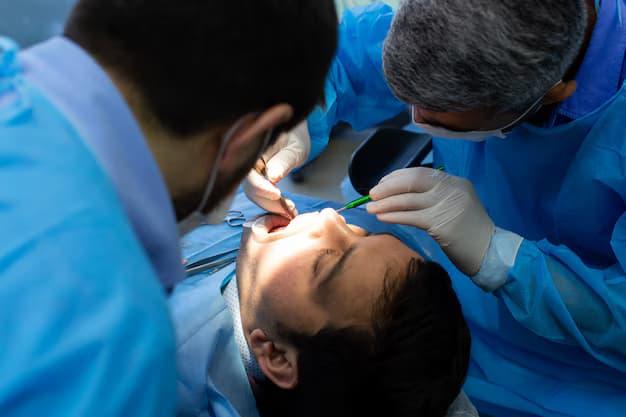
Maintaining healthy teeth and gums often involves more than routine examinations and preventive care. When complex dental concerns affect the jaw, gums, teeth, or surrounding structures, specialized surgical care may become necessary. Patients seeking advanced treatment can benefit from understanding the procedures, technology, and professional expertise available through santa monica oral surgeons when their dental needs require a higher level of specialized attention.
Understanding the Role of Oral Surgeons
Specialized Dental Expertise
Oral surgeons are dental specialists trained to diagnose and treat conditions involving the mouth, jaw, face, and related structures. Their education includes extensive surgical training that allows them to manage complex dental conditions that may extend beyond routine general dentistry. Depending on a patient's needs, an oral surgeon may provide surgical treatment for impacted teeth, jaw disorders, facial injuries, or missing teeth. This specialized knowledge helps ensure that patients receive carefully planned treatment based on their oral health, medical history, and individual circumstances.
When Specialized Treatment May Be Needed
Some dental conditions require more advanced care because they involve difficult tooth positioning, extensive infection, bone loss, or structural concerns. A general dental examination may identify a problem that requires consultation with an oral surgery specialist. In such situations, an oral surgeon can evaluate the condition in greater detail and determine whether surgical treatment is appropriate. Early evaluation may also help prevent a developing problem from becoming more complicated, particularly when discomfort, swelling, difficulty chewing, or changes in the bite are already present.
Wisdom Teeth Removal
Managing Impacted Wisdom Teeth
Wisdom teeth removal is one of the most recognized procedures performed by oral surgeons. These teeth may become impacted when there is insufficient space for them to emerge properly. Impacted wisdom teeth can remain partially beneath the gum or become trapped against neighboring teeth. This situation may contribute to discomfort, inflammation, infection, or damage to adjacent teeth. An oral surgeon evaluates the position of each tooth through examination and appropriate imaging before developing a treatment plan that considers the patient's age, tooth position, overall health, and potential surgical risks.
Supporting Comfortable Recovery
Advanced planning can make wisdom teeth treatment more predictable and comfortable. Oral surgeons consider factors such as the depth of impaction, root position, surrounding bone, and proximity to important nerves. After removal, patients typically receive detailed instructions regarding eating, cleaning, activity, and medication use. Following these instructions carefully can support healing and reduce the possibility of complications. Professional follow up may also be recommended when the procedure involves significant impaction or when the patient experiences unusual swelling, persistent discomfort, bleeding, or other concerning symptoms during recovery.
Dental Implant Surgery
Replacing Missing Teeth
Dental implant surgery provides an option for replacing missing teeth while supporting long term oral function. Implants are positioned within the jawbone and can provide a stable foundation for replacement teeth. Oral surgeons assess the amount and quality of available bone before recommending implant placement. They may also evaluate the health of surrounding teeth and gums to determine whether additional treatment is needed. Careful planning is important because successful implant treatment depends on healthy tissues, appropriate implant positioning, adequate bone support, and proper maintenance after treatment.
Bone Grafting and Related Procedures
Some patients who have experienced tooth loss may not have enough bone volume to support an implant immediately. Bone grafting can sometimes help rebuild areas of the jaw that have lost density or structure. The procedure involves placing suitable grafting material in the affected area to encourage new bone development. In selected cases, other procedures may also be considered to improve the foundation for implant placement. An oral surgeon evaluates the patient's anatomy and develops a treatment sequence designed to provide appropriate support before the final restoration is placed.
Corrective Jaw Surgery
Addressing Jaw Development Concerns
Corrective jaw surgery may be considered when the upper and lower jaws do not align properly and the problem cannot be adequately addressed through orthodontic treatment alone. Jaw misalignment can affect chewing, speech, facial balance, and overall oral function. Oral surgeons work closely with dental and orthodontic professionals when planning these complex procedures. Detailed imaging and treatment planning help determine the position of the jaws and the movements required for improved function. Because corrective jaw surgery involves significant planning, patients generally receive extensive information about preparation, recovery, and expected outcomes.
Improving Oral Function
The goal of corrective jaw surgery is not simply to change facial appearance. Proper jaw alignment can contribute to improved chewing efficiency, bite function, and overall oral stability. Some patients may also experience difficulty speaking or maintaining comfortable jaw movement because of structural differences. Treatment is customized according to the underlying condition and the patient's functional needs. When surgery is recommended, careful coordination among specialists can help establish a comprehensive treatment plan that addresses both the surgical procedure and the orthodontic care that may accompany it.
Treatment for Facial and Jaw Injuries
Managing Traumatic Dental Conditions
Oral surgeons can also provide specialized treatment for injuries affecting the jaw, facial bones, and oral structures. Accidents, sports injuries, and falls can sometimes cause fractures or damage that requires surgical attention. Evaluation may include physical examination and advanced imaging to identify the location and extent of the injury. Treatment depends on the severity and type of fracture. In more complex cases, surgical stabilization may be required to restore proper alignment and support healing while protecting important nerves, blood vessels, teeth, and surrounding tissues.
Restoring Function After Injury
Treatment following facial or jaw trauma focuses on restoring function while supporting proper healing. Depending on the injury, care may address fractured bones, damaged teeth, soft tissue concerns, or changes in the bite. Oral surgeons carefully evaluate how the jaw moves and how the teeth meet before deciding on treatment. Follow up appointments may be important because healing can change over time. Patients are generally advised to follow dietary and activity restrictions during recovery so that treated areas have sufficient opportunity to heal without unnecessary stress.
Treatment of Oral Pathological Conditions
Evaluating Abnormal Growths
Oral surgeons may evaluate unusual lumps, cysts, lesions, or other abnormalities affecting the mouth and jaw. While many oral changes may have harmless causes, persistent or unexplained abnormalities deserve professional assessment. Depending on the findings, an oral surgeon may recommend observation, imaging, biopsy, or surgical removal. Tissue removed during a biopsy can be examined to help determine its nature. Early evaluation is valuable because identifying an abnormal condition promptly can allow appropriate treatment to begin before the problem becomes more difficult to manage.
Removing Cysts and Other Lesions
Cysts and other pathological growths can sometimes develop within the jawbone or surrounding tissues. Some may remain unnoticed until they become larger, while others can cause swelling, discomfort, tooth displacement, or changes in the surrounding bone. Oral surgeons use diagnostic imaging to understand the location and extent of these conditions before selecting a treatment approach. Surgical removal may be recommended when a growth poses a risk to nearby structures or requires examination. Treatment is based on the specific diagnosis, size, location, and overall oral health of the patient.
Advanced Diagnostic and Surgical Technology
Detailed Treatment Planning
Modern oral surgery increasingly relies on advanced diagnostic technology to improve treatment planning. Digital imaging can provide detailed views of teeth, jawbone, nerves, and surrounding anatomical structures. Three dimensional imaging may be especially useful when an oral surgeon is planning implant placement, complex tooth removal, or corrective jaw surgery. These tools allow specialists to examine anatomy from multiple perspectives and identify important structures before treatment begins. More detailed planning can help improve surgical precision while allowing patients to understand the procedure and expected stages of care.
Supporting Surgical Precision
Technology can also support precision during complex oral procedures. Digital planning tools may help specialists determine appropriate implant positioning or evaluate the relationship between impacted teeth and nearby nerves. The information gained from imaging can contribute to more individualized treatment decisions. However, technology works alongside professional expertise rather than replacing it. An oral surgeon must still interpret diagnostic findings, consider the patient's overall health, and select an appropriate approach. Combining advanced equipment with specialized surgical knowledge can provide a more comprehensive foundation for complex dental treatment.
Sedation and Patient Comfort
Options for Managing Dental Anxiety
Some patients experience significant anxiety when they learn that oral surgery may be necessary. Depending on the procedure and the patient's circumstances, sedation options may help create a calmer treatment experience. The appropriate method depends on factors such as medical history, procedure complexity, age, medications, and individual comfort needs. Before treatment, the oral surgeon reviews relevant health information and explains what the patient can expect. Clear communication helps patients understand preparation requirements, the effects of sedation, and the importance of following post treatment instructions.
Preparing for a Safe Recovery
Recovery planning is an important part of advanced oral surgery. Patients may receive instructions regarding food choices, oral hygiene, medication, physical activity, and follow up visits. Following these recommendations can support proper healing and help identify potential complications early. Patients are also encouraged to report symptoms that seem unusual or worsen instead of improving. Recovery times differ according to the procedure and individual health factors. A personalized recovery plan allows patients to understand what is expected and when professional evaluation may be necessary.
Choosing Specialized Surgical Care
Evaluating Experience and Treatment Approach
When patients need complex oral surgery, selecting an appropriately trained specialist is an important consideration. Patients may review the surgeon's qualifications, experience with the recommended procedure, treatment planning methods, and approach to patient communication. A thorough consultation should provide an opportunity to discuss the diagnosis, available options, potential risks, expected recovery, and alternatives. Patients can also ask how their existing dental care will be coordinated with surgical treatment. An informed decision can help patients feel more prepared and confident about the care process.
Considering Comprehensive Care
Advanced oral surgery is often one component of a broader dental treatment plan. A patient receiving an implant may require restorative care afterward, while someone undergoing corrective jaw surgery may need orthodontic treatment before or after the procedure. Effective communication among dental professionals can help ensure that each stage supports the overall treatment goal. Patients benefit when their surgical care is planned around their broader oral health rather than treated as an isolated procedure. Comprehensive planning can contribute to better coordination, clearer expectations, and a more organized treatment experience.
Conclusion
Advanced oral surgery can address a wide range of complex dental and facial conditions, from impacted wisdom teeth and missing teeth to jaw disorders, facial injuries, and oral abnormalities. Specialized evaluation, detailed imaging, individualized planning, and appropriate follow up can help patients receive treatment suited to their specific needs. Anyone considering advanced dental surgery can benefit from discussing symptoms, treatment goals, health history, and available options with a qualified specialist. For patients seeking comprehensive dental care and specialized treatment guidance, Clove Dental Santa Monica can be considered as part of their search for appropriate oral healthcare.
Click here to explore gentle dental services for comfortable care.
 Dutch
 English
 Arabic
 French
 Spanish
 Portuguese
 Deutsch
 Turkish
 Italiano
 Russian
 Romaian
 Portuguese (Brazil)
 Greek