


What Is Discipleship in Christianity? A Guide to Following Jesus
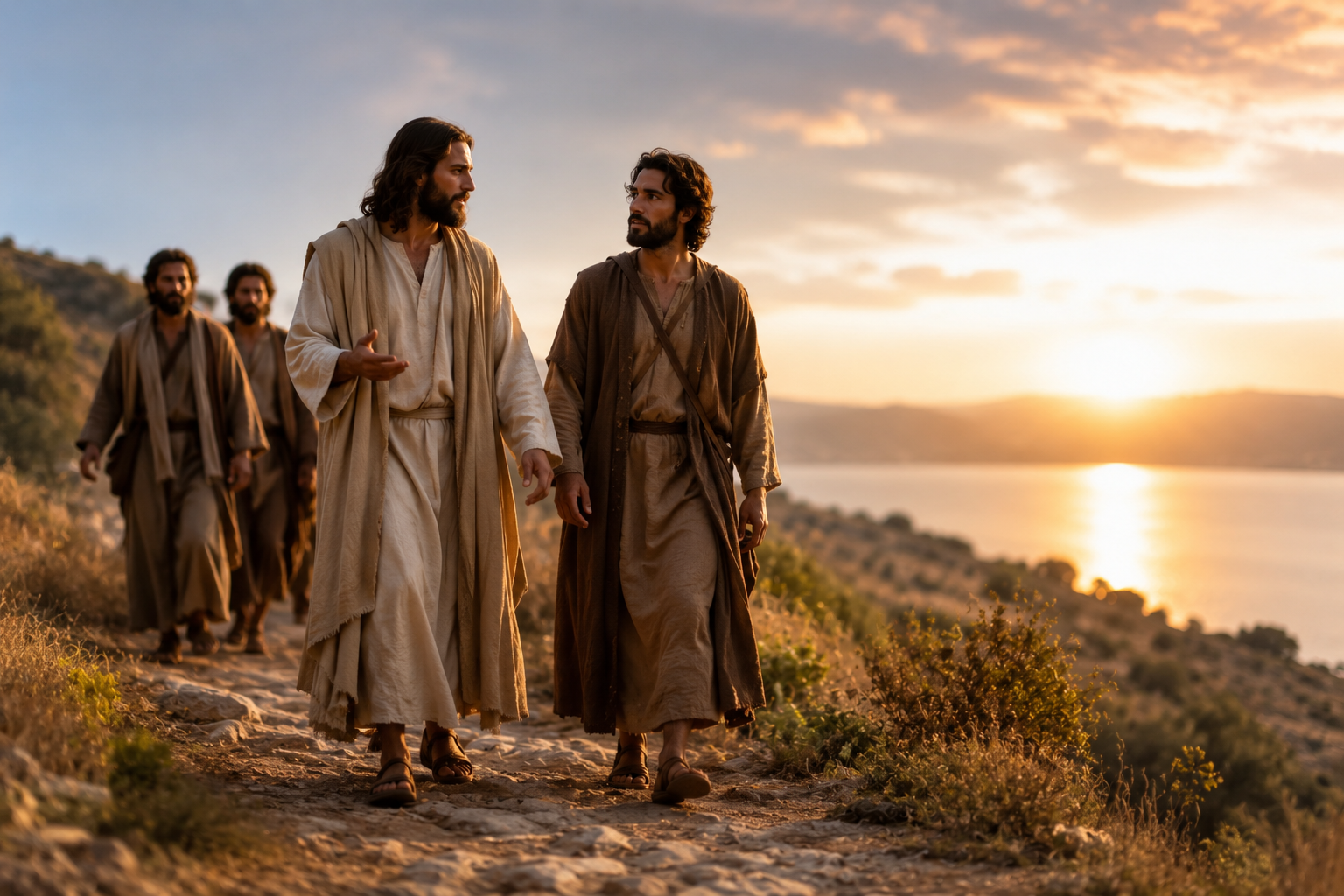
Christianity is more than agreeing with a set of beliefs. At the heart of the Christian life is a call to follow Jesus, learn from His teachings, develop Christlike character, and share His message with others. This process is commonly described as discipleship.
Discipleship is a lifelong journey. It involves spiritual growth, Bible study, prayer, obedience, service, relationships, and a willingness to allow faith to influence everyday decisions. For new believers and longtime Christians alike, understanding discipleship can provide a clearer picture of what it means to follow Jesus.
What Is a Disciple?
The word disciple refers to a learner, follower, or student. In the New Testament, Jesus called people to follow Him and become His disciples.
Jesus' disciples did more than listen to His teaching. They traveled with Him, observed His ministry, asked questions, witnessed His miracles, and learned how He treated people. Eventually, they were commissioned to take His message to others.
Christian discipleship follows this same basic principle. A disciple seeks to know Jesus, understand His teachings, and put those teachings into practice.
Being a disciple is therefore not simply about gaining information. It is about transformation.
Jesus' Call to Follow Him
Jesus repeatedly called people to follow Him. In the Gospels, following Jesus involved commitment and sacrifice.
Jesus taught that anyone who wanted to follow Him should deny themselves, take up their cross, and follow Him. This language demonstrates that discipleship can involve difficult choices.
Following Jesus may require Christians to reconsider priorities, relationships, attitudes, ambitions, and habits. It means placing faith and obedience at the center of life rather than treating Christianity as something separate from everyday decisions.
Learning Through Scripture
Bible study is fundamental to Christian discipleship. Scripture provides the primary written source for learning about God, Jesus, salvation, Christian character, and the mission of the church.
The Gospels are especially important because they record Jesus' life and teachings. Reading Matthew, Mark, Luke, and John can help disciples understand how Jesus taught, served, confronted hypocrisy, demonstrated compassion, and called people toward repentance and faith.
The New Testament letters also provide practical guidance for Christian living. They address subjects such as relationships, worship, forgiveness, generosity, leadership, suffering, morality, and community.
Regular Bible study allows disciples to continually evaluate their lives in light of God's Word.
The Apostles and Christian Discipleship
The early apostles played an important role in demonstrating what discipleship looks like after Jesus' resurrection.
The apostle Paul is one of the most significant examples. Paul initially opposed the early Christian movement but later became one of its most influential missionaries and teachers.
His letters address many aspects of Christian discipleship. He encouraged believers to develop spiritual maturity, practice love, serve others, remain faithful during suffering, and live according to the gospel.
Paul also described Christian growth using images such as running a race, fighting the good fight, and growing toward maturity. These illustrations communicate that discipleship requires perseverance.
Discipleship and Spiritual Transformation
Christian discipleship involves transformation of character.
The New Testament encourages believers to develop qualities such as love, joy, peace, patience, kindness, goodness, faithfulness, gentleness, and self-control.
These qualities do not develop simply because someone identifies as a Christian. They require intentional growth and dependence on God.
Discipleship therefore involves examining how faith affects everyday behavior. How do we respond when someone hurts us? How do we treat people who disagree with us? How do we handle money, success, failure, conflict, and temptation?
These practical questions demonstrate why discipleship is a lifelong process.
Discipleship and Prayer
Prayer is another essential part of following Jesus.
Jesus taught His disciples to pray and demonstrated the importance of communicating with God. Prayer allows Christians to express gratitude, confess sin, seek wisdom, ask for help, and develop a deeper relationship with God.
Prayer also teaches dependence. Christians recognize that spiritual growth is not accomplished entirely through personal effort.
A consistent prayer life can therefore complement Bible study and help believers develop greater awareness of God's presence and guidance.
Discipleship Happens in Community
Christian discipleship is not intended to be completely isolated.
The New Testament presents believers as members of a community that worships together, encourages one another, serves others, resolves conflicts, and grows in faith.
Church gatherings, Bible studies, small groups, mentoring relationships, and Christian friendships can all contribute to spiritual development.
Learning to live with other believers can be challenging, but it is also an important part of discipleship. Patience, forgiveness, humility, and service are easier to understand when they are practiced in real relationships.
Discipleship and Serving Others
Jesus demonstrated leadership through service. He taught His followers that greatness in God's kingdom is connected with serving others.
Christian discipleship therefore includes practical service. This may involve helping people in need, encouraging someone who is struggling, serving within a church, sharing the gospel, or simply showing compassion in everyday situations.
Service shifts the focus away from personal achievement and toward loving God and others.
Discipleship as a Journey
Spiritual growth rarely happens overnight. Christians experience seasons of confidence, uncertainty, success, failure, learning, and change.
The book Journey of the Soul can provide an opportunity to reflect on the personal dimensions of faith and spiritual development. Resources that encourage reflection can complement Bible study by helping believers consider where they are in their own spiritual journey.
Discipleship is ultimately a journey of becoming more like Christ. Each stage provides opportunities to learn, grow, serve, repent, and deepen one's relationship with God.
Continue Growing as a Disciple
Christian discipleship is a lifelong commitment to following Jesus. It involves learning His teachings, studying Scripture, praying consistently, developing Christlike character, serving others, and participating in Christian community.
Illumination Publishers provides Christian resources covering discipleship, Bible study, Jesus, theology, apologetics, and Christian living. These resources can support individual study and group discussions for believers at different stages of their faith journey.
At Illumination Publishers, continued Christian learning can help readers explore Scripture and develop a deeper understanding of what it means to follow Jesus.
Discipleship ultimately moves Christianity from belief into practice. It asks Christians not only what they believe about Jesus, but also how those beliefs influence the way they live.
Following Jesus is a lifelong journey. Through Scripture, prayer, community, service, and spiritual growth, Christians can continue becoming more mature disciples and reflecting the character of Christ in their everyday lives.

 Arabic
 French
 Spanish
 Portuguese
 Deutsch
 Turkish
 Dutch
 Italiano
 Russian
 Romaian
 Portuguese (Brazil)
 Greek