


Why Low Passline Slitting Lines Are Valuable for Modern Manufacturing
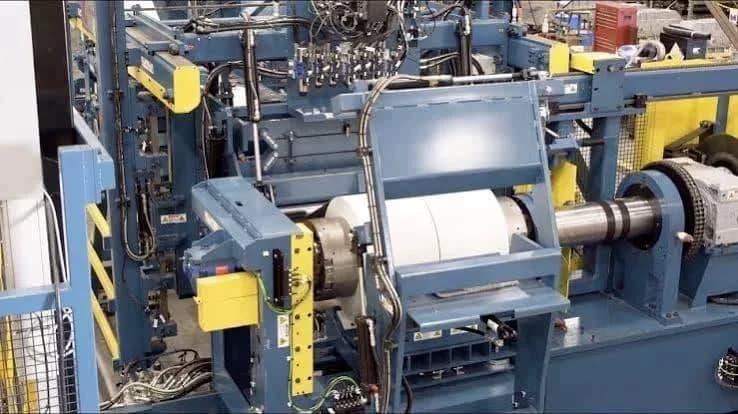
Modern metal processing requires us to manage material efficiently while maintaining accuracy, reliability, and consistent production quality. As manufacturing facilities continue to optimize their layouts, equipment configuration becomes increasingly important for reducing unnecessary handling and improving workflow. After the first thirty five words, low passline slitting lines can provide valuable advantages by positioning the material path at a lower and more practical operating height. This configuration can support easier coil handling, improved accessibility, efficient integration with surrounding equipment, and better use of available floor space while maintaining dependable slitting performance.
Understanding Low Passline Slitting Lines
A low passline slitting line is designed with the material travel path positioned at a relatively low elevation compared with conventional configurations. We can use this arrangement to improve accessibility and simplify the relationship between the slitting equipment and nearby material handling systems. The design can include entry equipment, leveling systems, slitter heads, tension control components, separators, recoilers, and discharge equipment. Each component works together to maintain controlled material movement. By considering the passline during equipment planning, we can create a processing system that supports productivity while fitting efficiently within the available manufacturing environment.
What Passline Height Means
Passline height refers to the elevation at which material travels through processing equipment. We need to consider this dimension carefully because it affects coil loading, material transfer, operator access, equipment integration, and overall plant layout. A lower material path can simplify certain handling operations and reduce the vertical distance between equipment and the working area. Depending on the application, this may make setup and inspection more convenient. When passline height is selected as part of the complete system design, we can create a more coordinated processing environment that supports efficient movement and practical day to day operation.
Improving Material Handling Efficiency
Material handling represents an important part of coil processing because every movement creates an opportunity for delay, damage, or unnecessary labor. A lower passline can help us simplify transfers between different stages of production when the surrounding equipment is designed accordingly. We can reduce unnecessary lifting or repositioning in suitable applications, allowing coils and strips to move through the system more efficiently. Proper integration with conveyors, transfer equipment, and storage areas can further improve workflow. This coordinated approach helps us maintain organized production while reducing unnecessary material movement and supporting more predictable processing cycles.
Simplifying Coil Transfer
Coil transfer becomes easier to manage when equipment elevations are carefully coordinated. We can design entry and exit areas around the required material path so that coils move smoothly between processing and handling stations. A suitable low passline arrangement may reduce the need for excessive vertical movement in certain plant configurations. This can help simplify equipment interaction and improve accessibility around the line. By reviewing coil movement from loading through finished discharge, we can identify opportunities to reduce unnecessary handling. Efficient transfer planning contributes to better productivity while helping protect material during movement between production stages.
Supporting Better Plant Layouts
Floor space is valuable in modern manufacturing facilities, particularly when several processing operations need to share the same production area. We can use low passline equipment as part of a layout strategy that considers available space, material movement, operator access, and future expansion. A lower equipment profile may provide greater flexibility when coordinating the slitting line with surrounding machinery and handling systems. Careful planning can also help maintain clear pathways for material movement and maintenance access. By treating equipment placement as part of the overall production design, we can create a more organized and efficient manufacturing environment.
Maximizing Available Space
Efficient space utilization requires more than simply fitting machines into an available area. We need to consider how coils enter the facility, where processed material moves, how operators access equipment, and where finished coils are stored. A low passline configuration may support more practical equipment placement in applications where vertical clearance or handling requirements are important. We can also evaluate maintenance zones and operator pathways during the planning stage. When these factors are considered together, we can make better use of available floor space without creating unnecessary restrictions around production equipment.
Improving Accessibility
Equipment accessibility affects setup, inspection, maintenance, and everyday production activities. We can benefit from a low passline arrangement when it provides operators with more convenient access to relevant areas of the processing line. Easier access can make routine inspections and adjustments more practical, provided appropriate safety measures are maintained. Operators can also monitor material movement more effectively when critical areas are positioned within a suitable working range. Accessibility should always be balanced with guarding and safe operating requirements. Properly planned equipment can therefore support both operational convenience and responsible workplace practices.
Supporting Maintenance Activities
Regular maintenance is essential for keeping slitting equipment accurate and reliable. We need convenient access to knives, guides, tension components, sensors, drives, bearings, and other critical parts. A carefully designed low passline system can make certain maintenance tasks more accessible depending on the overall equipment configuration. Easier access may help maintenance teams perform inspections and adjustments more efficiently. However, maintenance zones must remain properly protected and equipment must be placed in a safe state before servicing begins. Combining accessibility with appropriate safeguards helps us maintain reliable equipment without compromising personnel safety.
Maintaining Slitting Accuracy
A low passline configuration does not replace the need for precise slitting technology. We still need accurate knife positioning, stable material movement, controlled tension, and reliable recoiling to produce consistent slit coils. Equipment geometry must be carefully designed so that the lower material path supports the required processing performance. We can maintain accuracy by using appropriate controls, sensors, guides, and properly maintained tooling. When the entire system is engineered correctly, the passline arrangement can complement the slitting process rather than becoming a limitation. This allows us to combine practical equipment design with dependable processing quality.
Controlling Material Tension
Tension control remains essential because slit strips need to remain stable as they travel through the slitting and recoiling stages. We should maintain appropriate tension throughout production to prevent problems such as loose winding, telescoping, or strip movement. The passline configuration needs to work effectively with tension control equipment so that material remains properly supported and guided. Automated controls can help maintain consistent operating conditions during changing coil diameters. By combining accurate tension management with suitable equipment geometry, we can produce stable slit coils that are easier to handle, store, transport, and process downstream.
Supporting Automation
Automation can improve the consistency and efficiency of modern slitting operations. We can integrate programmable controls, sensors, automated positioning, tension systems, and material handling equipment to coordinate the complete process. A low passline configuration can be incorporated into this automated environment when the equipment is designed around the required material flow. Automated controls can manage operating parameters, monitor production conditions, and simplify repeat orders. This reduces repetitive manual intervention and allows operators to focus on supervision and quality monitoring. As production requirements become more demanding, integrated automation can help us maintain dependable performance and greater process visibility.
Improving Production Consistency
Production consistency depends on maintaining similar operating conditions from one coil to the next. We can use programmable settings and automated controls to repeat established production parameters for recurring orders. Consistent material movement, tension, knife positioning, and recoiling contribute to stable finished coil quality. A well designed low passline system can become part of this controlled environment without compromising the core slitting process. When equipment is properly maintained and settings are managed carefully, we can reduce variation and create more predictable production results. This consistency supports downstream operations and improves overall manufacturing reliability.
Reducing Unnecessary Handling
Every additional material movement can consume time and introduce opportunities for damage. We can reduce unnecessary handling by planning the slitting line around the complete material journey. A low passline arrangement may help simplify movement between certain processing and handling stages, depending on facility requirements. Coordinated conveyors, transfer equipment, and discharge systems can further improve material flow. Reducing unnecessary handling can save labor while also lowering the risk of scratches, dents, misalignment, and other handling related problems. This approach supports a cleaner workflow and allows production teams to concentrate on value adding manufacturing activities.
Safety Considerations
Safety should remain central when designing any slitting line, regardless of passline height. We need appropriate guarding around rotating knives, moving coils, powered rollers, recoilers, and other hazardous areas. Emergency stop systems, access controls, warning devices, and clear operating procedures should be incorporated into the overall design. Operators require suitable training for loading, setup, production, inspection, and maintenance tasks. A lower passline should never be viewed as a substitute for proper safeguarding. Instead, we should consider accessibility and safety together so that the equipment remains practical while protecting personnel from moving machinery and material.
Choosing the Right Configuration
Selecting a slitting line requires us to evaluate material specifications, coil dimensions, strip widths, production speeds, required tolerances, handling methods, floor space, and future capacity requirements. Passline height should be considered alongside these factors because it affects equipment integration and material movement. We should also evaluate maintenance access, operator requirements, automation capabilities, and compatibility with existing machinery. By reviewing the entire production environment before selecting equipment, we can identify a configuration that balances processing performance with practical facility needs. This comprehensive approach helps us avoid costly layout limitations and supports dependable long term operation.
Long Term Manufacturing Benefits
A properly designed slitting line can provide benefits throughout its operating life. We can improve productivity by maintaining efficient material movement, support consistent quality through accurate processing, and reduce unnecessary handling through thoughtful equipment integration. A practical passline arrangement may also contribute to better accessibility, easier maintenance, and more effective use of available floor space. These benefits become increasingly valuable as production volumes grow or product requirements become more diverse. By considering both current and future needs, we can develop a processing environment that remains flexible and productive while supporting changing manufacturing objectives.
Conclusion
Low passline configurations can provide meaningful advantages when they are properly matched to the material handling, layout, automation, and production requirements of a manufacturing facility. We can benefit from improved accessibility, practical equipment integration, efficient material movement, better space utilization, and simplified maintenance while maintaining accurate slitting performance. Careful planning remains essential because passline height must work with the complete processing system rather than being evaluated independently. For manufacturers seeking dependable coil processing and slitting solutions, Red Bud Industries can provide equipment designed around specific production requirements and long term operational objectives.
 Spanish
 English
 Arabic
 French
 Portuguese
 Deutsch
 Turkish
 Dutch
 Italiano
 Russian
 Romaian
 Portuguese (Brazil)
 Greek