


Key Features to Consider When Choosing Fire Pump Controllers
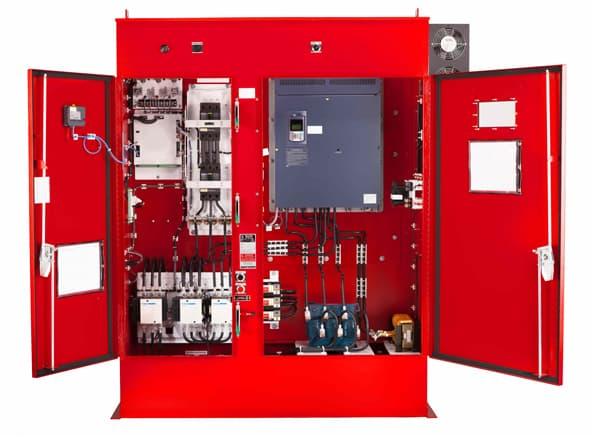
Fire pump controllers are essential components of many fire protection systems because they monitor operating conditions and help control the starting and stopping functions of the pump. Choosing an appropriate controller requires careful consideration of system requirements, power characteristics, operating environment, monitoring capabilities, and equipment compatibility. Understanding the important features of fire pump controllers can help facility managers make informed decisions and avoid selecting equipment based solely on price or basic specifications. A properly selected controller can support dependable pump operation, simplify monitoring, and contribute to the overall readiness of a building’s fire protection system.
The controller must work correctly with the fire pump, driver, power source, sensing equipment, and other connected components. Different facilities can have different electrical configurations, operating conditions, and fire protection requirements, making application specific selection important. A controller designed for one installation may not be appropriate for another. Facility managers should therefore review technical requirements carefully before purchasing equipment. Professional guidance can also help identify important considerations that may otherwise be overlooked. A complete evaluation supports better compatibility, reliable operation, easier maintenance, and appropriate performance throughout the controller’s service life.
Understanding the Role of a Fire Pump Controller
Controlling pump operation
A fire pump controller is responsible for managing important aspects of pump operation. Depending on the system configuration, it can initiate pump operation when pressure conditions indicate that additional water pressure is required. It also provides a means of monitoring operating conditions and responding to specific system signals. Because the controller is directly involved in pump activation, reliable operation is essential. A controller that does not respond correctly could affect the availability of the fire pump during an emergency. Proper selection should therefore consider both normal operation and the conditions that may occur during an actual fire event.
Connecting multiple system components
The controller interacts with several parts of the fire protection system. These may include the fire pump driver, pressure sensing equipment, power supply, alarms, monitoring devices, and other associated components. Compatibility between these elements is essential for reliable operation. Before selecting a controller, facility personnel should identify the equipment already installed and understand how the proposed controller will communicate with or control it. Reviewing the complete system rather than considering the controller independently can reduce compatibility problems and help ensure that all connected equipment operates as intended.
Power Supply Compatibility
Matching electrical requirements
One of the first considerations when selecting a controller is the available electrical supply. Voltage, phase, frequency, current characteristics, and other electrical requirements must correspond with the controller and associated pump equipment. An incorrect electrical configuration can create operational problems and may result in equipment damage or installation complications. Facility managers should obtain accurate electrical information before selecting a controller. Reviewing these details with qualified personnel can help confirm that the proposed equipment is suitable for the installation. Proper electrical matching is fundamental to dependable controller operation.
Considering available power conditions
Electrical conditions within a facility can vary, and the controller should be suitable for the power environment in which it will operate. Voltage fluctuations, supply interruptions, and other conditions may affect equipment performance. The overall electrical arrangement should therefore be reviewed during controller selection. A suitable controller should be capable of operating within the required conditions and supporting the associated fire pump equipment. Facility managers should also consider the electrical infrastructure available at the installation site. Early evaluation can identify potential limitations before equipment is purchased or installation work begins.
Pressure Sensing Capabilities
Reliable pressure monitoring
Pressure sensing is an important function because the controller may need to recognize changes in system pressure and initiate pump operation. Accurate sensing helps ensure that the pump responds when pressure falls to a level requiring additional support. The sensing arrangement should be compatible with the system design and controller requirements. Poorly selected or incorrectly adjusted sensing equipment can cause delayed starting, unnecessary cycling, or other operational problems. Facility managers should therefore consider the controller’s pressure sensing capabilities and how the sensing equipment will be installed, adjusted, tested, and maintained.
Adjustable settings
Controllers may provide adjustable pressure settings that allow the equipment to respond appropriately to the system configuration. These settings should be established according to the requirements of the fire protection system and should not be adjusted casually. Incorrect settings can affect when the pump starts or how it responds to changing pressure conditions. Qualified personnel should verify the appropriate settings during installation and testing. A controller with suitable adjustment capabilities can provide flexibility while still allowing the system to be configured according to its intended operating characteristics.
Manual and Automatic Starting
Automatic operation
Automatic starting is one of the most important controller functions because the fire pump may need to operate without waiting for manual intervention. The controller should respond appropriately to pressure changes or other signals that indicate a demand for pump operation. Reliable automatic starting supports emergency readiness and reduces dependence on human response. Facility managers should confirm that the controller is compatible with the pump driver and sensing arrangement. Testing should also verify that automatic starting occurs as intended. This function deserves particular attention because a controller may remain unused for long periods before an emergency requires operation.
Manual operation
Manual starting provides an additional method for activating the fire pump when required. The controller should provide appropriate manual controls that are clearly identified and accessible to authorized personnel. Manual operation can be useful during testing, maintenance, or specific emergency conditions. Controls should be straightforward enough for trained personnel to understand without unnecessary complexity. Proper labeling and accessibility can improve usability and reduce confusion. Facility managers should evaluate the controller interface to ensure that manual controls are practical for the installation and suitable for the personnel responsible for operating the equipment.
Monitoring and Alarm Features
Identifying operating conditions
A controller should provide useful information about the condition of the fire pump and associated equipment. Depending on the configuration, monitoring features may indicate power availability, pump operation, faults, pressure conditions, or other important status information. Clear status information can help facility personnel recognize whether the system is operating normally. It can also assist technicians during troubleshooting and maintenance. When selecting equipment, facility managers should consider which operating conditions need to be monitored and how the information will be presented. Effective monitoring can improve awareness of equipment condition.
Alarm capabilities
Alarm functions can provide important notifications when certain abnormal conditions occur. These may include power problems, controller faults, pump operation, or other conditions relevant to system monitoring. Clear alarms can help facility personnel recognize situations requiring attention. The specific alarm functions required will depend on the fire protection system and applicable requirements. Facility managers should evaluate whether the controller provides the necessary indications and whether those signals can be integrated with other monitoring arrangements. Proper alarm functionality supports quicker recognition of problems and can contribute to better maintenance response.
Display and User Interface
Clear information
The controller interface should provide information in a manner that trained personnel can understand quickly. Displays may show operating status, pressure information, alarms, event information, or other system conditions. Clear presentation can make routine inspections and troubleshooting more efficient. Facility managers should consider the visibility of the display, the organization of information, and the ease of identifying important conditions. A complicated interface may increase the time required to understand an issue. A well designed interface can support better operational awareness while helping maintenance personnel identify problems more efficiently.
Ease of operation
Controls should be intuitive enough for authorized personnel to use after appropriate training. Buttons, indicators, switches, and other controls should be clearly identified and logically arranged. Ease of operation can become especially important during stressful conditions when personnel need to understand the controller quickly. Facility managers should consider whether the interface is appropriate for the environment and the people responsible for operating it. Training remains essential, but a clear interface can reduce unnecessary confusion. Good usability supports both routine maintenance activities and emergency preparedness.
Event and Status Recording
Maintaining useful information
Some controllers can record operational events, alarms, starts, and other information that may help facility personnel understand equipment history. Such records can be valuable when investigating recurring problems or reviewing system performance. A controller that provides useful event information can help technicians determine when a problem occurred and what conditions were present. Facility managers should consider how much historical information is available and how it can be accessed. Better records can support troubleshooting and provide useful documentation for maintenance planning.
Supporting maintenance decisions
Historical controller information can help identify patterns that might otherwise go unnoticed. Repeated starts, recurring alarms, power interruptions, or other events may indicate developing problems. Reviewing these records as part of routine maintenance can help facility managers recognize trends before they become serious. Event information can also help technicians understand the circumstances surrounding a reported problem. This can make troubleshooting more efficient and support better corrective decisions. Controller records therefore have value beyond immediate monitoring because they can contribute to long term equipment management.
Enclosure and Environmental Protection
Selecting the appropriate enclosure
The controller enclosure should be suitable for the environment where it will be installed. Factors such as moisture, dust, temperature, physical exposure, and available installation space can influence the appropriate enclosure configuration. An unsuitable enclosure may increase the risk of component deterioration or operational problems. Facility managers should evaluate the installation environment before selecting the equipment. The enclosure should provide appropriate protection for the internal components while also allowing authorized personnel to access controls and perform necessary maintenance. Environmental suitability is an important consideration for long term reliability.
Temperature considerations
Fire pump controllers may operate in environments where temperature conditions vary significantly. Excessive heat or cold can affect electrical components and controller performance. The installation location should therefore be reviewed to ensure that the equipment is appropriate for the expected temperature range. Ventilation and environmental conditions may also need consideration. Facility managers should consult applicable equipment specifications and installation requirements before finalizing the controller location. Proper environmental planning can help protect components and reduce the possibility of temperature related performance problems.
Durability and Construction
Robust components
A fire pump controller should be constructed to withstand the operating conditions associated with its intended application. Robust internal components, secure connections, suitable enclosure construction, and quality materials can contribute to long term reliability. Facility managers should consider how the controller is expected to operate over many years rather than evaluating only its initial appearance. Durable construction can reduce the likelihood of premature component deterioration. While no equipment is immune to failure, selecting appropriately constructed equipment can support more dependable operation and reduce unnecessary maintenance concerns.
Connection quality
Electrical connections are important to controller reliability. Loose, damaged, or improperly installed connections can create heat, electrical faults, or intermittent operation. The controller installation should therefore be completed by qualified personnel who can verify wiring and connections according to applicable requirements. During maintenance, connections should be inspected for signs of deterioration or damage. Proper connection practices can help prevent avoidable electrical problems and support stable controller performance. Facility managers should consider installation quality as part of equipment reliability rather than treating the controller purchase as the only important decision.
Communication and Remote Monitoring
Integration with building systems
Some facilities may require the fire pump controller to communicate with other monitoring or building management systems. Communication capabilities can allow important status or alarm information to be shared with authorized personnel. Before selecting a controller, facility managers should determine whether integration is required and what information needs to be communicated. Compatibility with the existing monitoring infrastructure should be confirmed before purchase. A controller with appropriate communication capabilities can improve visibility into system status and help facility personnel respond more effectively when an abnormal condition is detected.
Remote visibility
Remote monitoring can provide additional convenience for facilities where personnel are not always located near the pump room. Depending on the system configuration, important status information may be available through a connected monitoring arrangement. Remote visibility does not replace local inspection, testing, or maintenance, but it can provide an additional source of information. Facility managers should evaluate whether remote monitoring provides meaningful value for their particular building. Where it is appropriate, the communication method should be reliable, secure, and compatible with the facility’s existing infrastructure.
Compatibility With the Fire Pump Driver
Electric motor applications
When a controller is used with an electric motor driven fire pump, the controller must be compatible with the motor and electrical supply. Motor characteristics, starting requirements, voltage, phase, and other electrical factors should be reviewed during selection. A mismatch can create operational difficulties or installation complications. Facility managers should provide accurate motor information when evaluating controller options. Qualified personnel can then verify whether the controller is appropriate for the application. Proper compatibility supports reliable starting and operation while helping prevent avoidable electrical problems.
Engine driven applications
Engine driven fire pumps require controllers designed for the specific characteristics of engine starting and monitoring. Battery systems, starting circuits, engine signals, and other components may need to be considered. The controller should provide appropriate functions for monitoring and managing the engine driven arrangement. Facility managers should review the complete system requirements before selecting equipment. Because engine driven systems have different operational characteristics from electric motor driven systems, using a controller designed for the correct application is essential. Proper selection supports dependable starting and monitoring during both testing and emergency operation.
Maintenance and Serviceability
Easy access to components
Fire pump controllers require periodic inspection, testing, and maintenance. A controller that allows qualified personnel to access relevant components efficiently can make service activities more manageable. Facility managers should consider the arrangement of internal components, accessibility of connections, and availability of useful diagnostic information. Serviceability can affect the time and labor required for maintenance. Equipment that is difficult to inspect may create additional challenges during routine service. Considering maintenance requirements during the purchasing stage can support better long term ownership and reduce avoidable service complications.
Replacement component availability
Like other electrical equipment, controllers may eventually require replacement components. Facility managers should consider whether commonly serviced components can be obtained within reasonable timeframes. Availability becomes particularly important as equipment ages. If a critical component is difficult to source, a relatively small failure can create extended downtime or complicate repairs. Establishing access to suitable replacement components can support maintenance continuity. Facility managers should retain controller identification information and documentation so that technicians can accurately identify replacement components when service is required.
Documentation and Training
Complete documentation
Technical documentation is important for installation, operation, troubleshooting, and maintenance. Facility managers should ensure that relevant manuals, wiring information, equipment specifications, and service records are retained and accessible. Good documentation can help technicians understand the controller configuration and reduce troubleshooting time. It also supports continuity when personnel change or when outside service professionals become involved. Documentation should be updated when significant modifications or repairs occur. A well documented controller installation is easier to maintain and can support better long term equipment management.
Training authorized personnel
Personnel responsible for the fire pump system should receive appropriate training on controller operation and basic status indications. Training can help staff recognize normal conditions and identify situations that require professional attention. Operators should understand the meaning of important alarms and know how to respond according to established procedures. Training should not encourage unauthorized adjustments or repairs. Instead, it should provide personnel with enough knowledge to monitor the system effectively and communicate problems accurately. Proper training complements good controller design and supports safer, more informed facility operations.
Considering Future System Needs
Planning for facility changes
A building's fire protection requirements can change because of renovations, expansions, changes in occupancy, or modifications to water based protection systems. A controller selected today should be appropriate for the current application while allowing consideration of anticipated changes where practical. Facility managers should discuss planned modifications before purchasing equipment. This can help identify whether additional monitoring, different capacity, or other controller features may become necessary. Considering future requirements can reduce the risk of replacing equipment prematurely because the original controller no longer supports an updated system configuration.
Evaluating long term support
A controller is a long term equipment investment, so facility managers should consider the support available after installation. Technical assistance, replacement components, maintenance resources, documentation, and service capabilities can all influence the practical value of a controller. A low initial price may not provide good long term value if support is difficult to obtain. Facility managers should evaluate the complete ownership picture before making a decision. Reliable long term support can make maintenance easier and help facilities respond more effectively when controller problems eventually arise.
Importance of Proper Installation and Testing
Professional installation
Even an appropriately selected controller can experience problems if it is installed incorrectly. Wiring, connections, sensing equipment, grounding, settings, and associated components must be installed according to applicable requirements. Qualified professionals should complete the installation and verify that the controller is properly connected to the fire pump system. Careful installation reduces the risk of electrical faults and operational problems. Facility managers should therefore consider installation expertise when planning a controller project. Equipment selection and installation quality should be viewed as connected parts of the same reliability strategy.
Testing after installation
Testing is necessary to verify that the controller and connected fire pump respond correctly. Testing can confirm automatic starting, manual operation, pressure sensing, alarms, indications, and other relevant functions. Results should be documented so that future maintenance personnel have a baseline for comparison. If a problem is identified during testing, it can often be corrected before the system is placed into normal service. Proper commissioning and testing provide greater confidence that the controller performs as intended and that the complete fire pump system is ready for its required operating conditions.
Evaluating Cost and Long Term Value
Initial cost is not everything
Price is an important purchasing consideration, but it should not be the only factor. A controller that appears inexpensive may become more costly if it requires frequent service, has limited parts availability, or does not integrate well with the existing system. Facility managers should consider installation, maintenance, replacement components, testing, and expected service life when comparing options. Looking at total ownership value provides a more balanced basis for decision making. The objective should be to obtain equipment that provides suitable performance and support throughout its expected service life.
Balancing features with actual needs
More features do not automatically mean that a controller is better for every application. Facility managers should identify the functions genuinely required by the fire protection system and avoid selecting unnecessary capabilities solely because they are available. A controller should provide appropriate monitoring, control, communication, and service features without creating unnecessary complexity. Matching the equipment to actual needs can support easier operation and maintenance. A carefully specified controller can provide the right balance between functionality, reliability, usability, and long term value.
Conclusion
Choosing the right fire pump controller requires careful consideration of electrical compatibility, pressure sensing, automatic and manual starting, monitoring, alarms, display functionality, environmental protection, communication capabilities, maintenance access, parts availability, documentation, and long term support. The controller should be selected as part of the complete fire protection system rather than as an isolated electrical component. Professional installation, commissioning, testing, and regular maintenance are equally important for dependable operation. By evaluating both current requirements and future needs, facility managers can make more informed purchasing decisions. Steven Brown & Associates, Inc. can assist facilities seeking knowledgeable support for fire pump controllers and related fire protection equipment requirements.
 Spanish
 English
 Arabic
 French
 Portuguese
 Deutsch
 Turkish
 Dutch
 Italiano
 Russian
 Romaian
 Portuguese (Brazil)
 Greek