Hair transplantation is a well-established option for people experiencing permanent hair loss, but some patients and specialists also consider regenerative treatments as part of a broader restoration plan. One such option is PRP Hair Treatment, which uses platelet-rich plasma prepared from the patient's own blood.
Combining PRP with a hair transplant may be considered in selected cases. The two approaches work differently: a transplant moves healthy hair follicles from a donor area to areas affected by hair loss, while PRP is intended to support existing follicles and the surrounding scalp environment.
Whether combining them is appropriate depends on the patient's hair loss pattern, scalp health, donor hair availability, and overall treatment goals.
How Does Hair Transplantation Work?
A hair transplant involves taking healthy hair follicles from a donor area and placing them into areas where hair has become permanently thin or absent.
Common techniques include follicular unit extraction and other transplant approaches. The transplanted follicles are selected because they are generally more resistant to the factors responsible for pattern hair loss.
Once successfully established, transplanted follicles can produce hair over time. However, the surrounding native hair may continue to thin, which is why long-term hair management remains important.
What Is the Role of PRP?
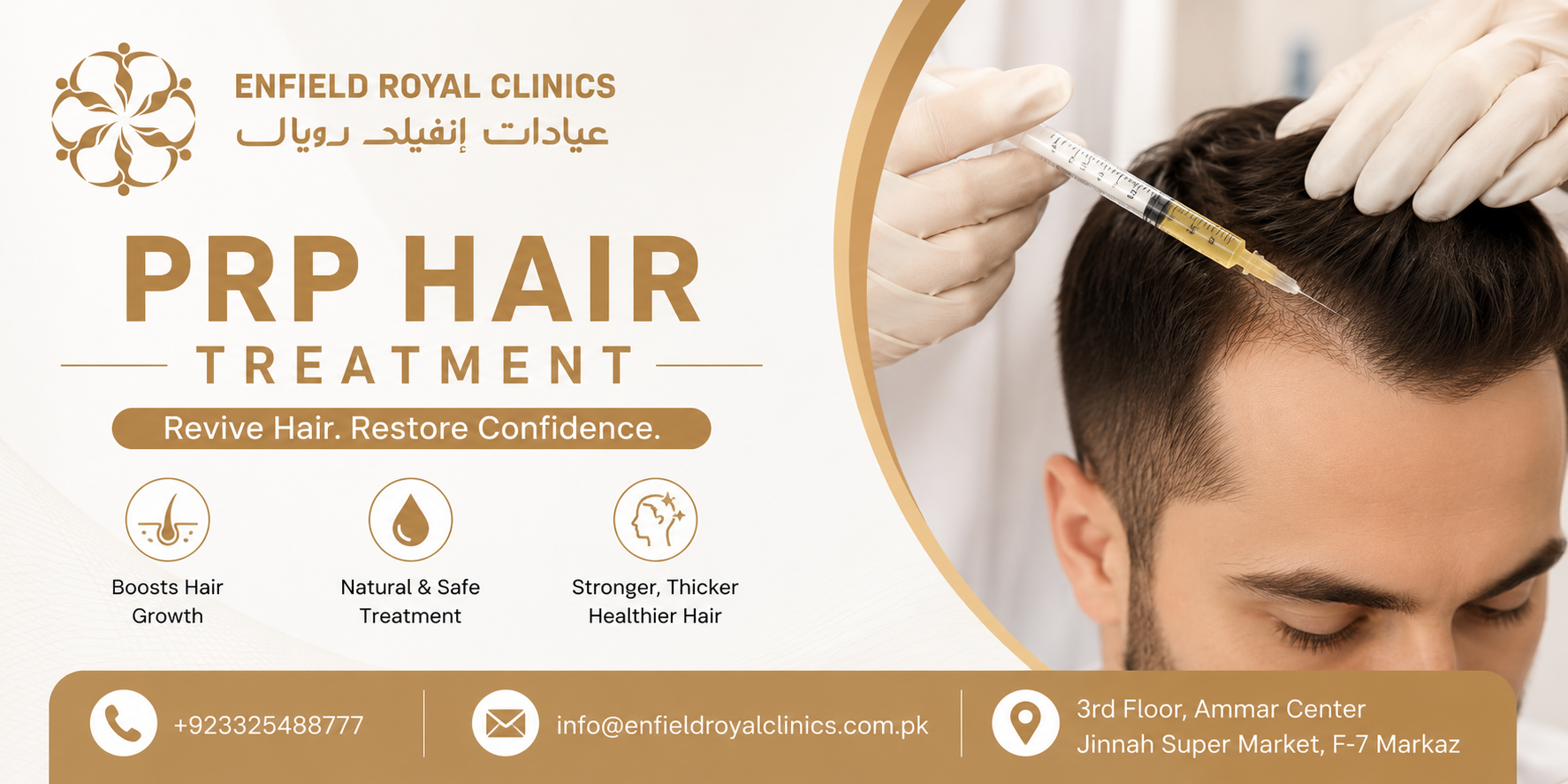
PRP uses a small sample of the patient's blood. The sample is processed to concentrate platelets, and the resulting plasma is introduced into selected areas of the scalp.
Platelets contain growth factors and other biological substances involved in natural tissue repair and cellular communication.
In hair restoration, the treatment is generally intended to support existing follicles rather than replace follicles that have already been permanently lost.
This difference makes PRP and transplantation potentially complementary rather than identical treatments.
Why Combine the Two Treatments?
The main reason for combining approaches is that they address different aspects of hair loss.
A transplant can provide follicles to areas where hair has been permanently lost. PRP may be used to support the existing follicles around the treated area or elsewhere on the scalp.
For example, someone may have significant thinning in the front of the scalp while still having weaker native hair around the crown. A transplant could address areas requiring additional follicles, while regenerative treatment may be considered to support existing hair.
However, combination treatment is not necessary or beneficial for everyone.
Can PRP Be Used During a Hair Transplant?
Some clinics may use platelet-rich plasma during or around the time of transplantation, while others may recommend it before or after surgery.
The purpose can vary depending on the treatment protocol. Some providers use it with the intention of supporting the scalp environment and transplanted follicles during the recovery process.
There is ongoing research into the potential benefits of combining regenerative approaches with transplantation, but treatment methods and evidence can vary.
Patients should ask their provider exactly how PRP would be incorporated into their individual transplant plan.
Can It Be Used Before Surgery?
In some situations, a provider may consider treatment before transplantation. The objective may be to support the condition of existing hair and the scalp before surgery.
However, there is no universal requirement to receive PRP before a transplant.
The decision should be based on the patient's hair condition, diagnosis, and treatment goals. A consultation can determine whether pre-treatment offers any meaningful advantage.
What About PRP After a Hair Transplant?
Post-transplant treatment may also be considered. The scalp goes through a healing process after surgery, and the transplanted follicles need time to establish themselves.
Some providers use PRP after transplantation as part of their aftercare or broader restoration protocol.
However, patients should not assume that additional treatment is automatically necessary. The timing and frequency should be determined by the treating specialist.
Can the Combination Improve Hair Density?
The potential benefit depends on what type of density the patient needs.
A transplant can increase the number of follicles in an area by moving donor follicles. PRP, on the other hand, does not add new follicles.
Instead, it may help support existing follicles that are still capable of producing hair. If native hairs are miniaturized but viable, improving their condition could potentially contribute to a fuller overall appearance.
The degree of improvement varies significantly between individuals.
Who May Be a Suitable Candidate?
Combination treatment may be considered for patients who have permanent areas of hair loss alongside existing thinning hair.
A suitable candidate generally needs an adequate donor supply and a realistic understanding of what transplantation can achieve.
Patients with active scalp conditions, unexplained sudden hair loss, or certain medical issues may need additional evaluation before undergoing treatment.
A professional examination is essential before planning either procedure.
Are There Any Limitations?
Combining treatments does not guarantee faster or fuller hair growth. PRP cannot recreate follicles that have been permanently destroyed, and a transplant cannot stop every underlying cause of ongoing hair thinning.
The success of a transplant also depends on factors such as donor hair quality, surgical technique, follicle survival, and individual healing.
Similarly, response to PRP varies from patient to patient.
For these reasons, treatment plans should be personalized rather than based on promises of guaranteed results.
How Long Do Results Take?
Neither treatment produces a completely immediate final result.
After transplantation, newly placed follicles require time to establish themselves and enter their natural growth cycle. Visible growth develops gradually over subsequent months.
PRP also works gradually. If a patient responds to treatment, changes in shedding, thickness, or density may become noticeable over time.
Regular follow-up appointments and standardized photographs can help track progress more accurately.
Final Thoughts
So, can PRP be combined with hair transplantation? Yes, in selected patients, PRP Hair Treatment may be incorporated before, during, or after a hair transplant as part of a broader restoration strategy.
The two treatments have different roles. Transplantation adds follicles to areas affected by permanent hair loss, while PRP is intended to support existing follicles and the scalp environment.
Combination treatment is not automatically necessary for every patient. The most appropriate approach depends on the cause and stage of hair loss, donor hair availability, scalp health, and individual goals.
A consultation with a qualified hair restoration professional can help determine whether combining these treatments is suitable and what results can realistically be expected.



 Spanish
 English
 Arabic
 French
 Portuguese
 Deutsch
 Turkish
 Dutch
 Italiano
 Russian
 Romaian
 Portuguese (Brazil)
 Greek