


Pool Supplies That Help Maintain Clean Swimming Water
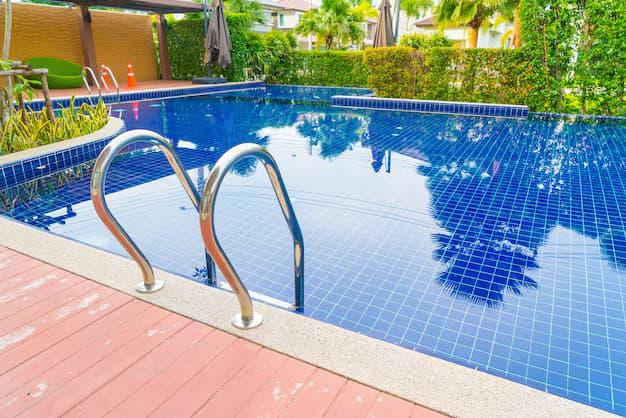
Maintaining clean swimming water requires more than occasional skimming or adding chemicals when the water looks cloudy. A properly maintained pool depends on a combination of equipment, cleaning tools, testing products, and treatment solutions that work together consistently. Quality pool supplies give homeowners practical ways to control water balance, remove debris, support filtration, and protect swimmers from harmful contaminants. When the right products are selected and used according to their intended purpose, routine maintenance becomes more manageable while the pool remains inviting, clear, and comfortable throughout the swimming season.
Water Testing Products
Water testing supplies are among the most important tools for maintaining a healthy swimming environment. Test strips and liquid testing kits can help homeowners monitor chlorine, pH, alkalinity, and other water conditions. Regular testing allows imbalances to be identified before they become more noticeable problems. A pool with incorrect chemical levels may develop cloudy water, irritation, scaling, or equipment concerns. Testing on a consistent schedule provides useful information that helps determine whether adjustments are necessary. Accurate testing also prevents unnecessary chemical use by showing what the water actually needs.
Sanitizing Products
Sanitizers play a central role in keeping swimming water clean because they help control bacteria, algae, and other unwanted microorganisms. Chlorine remains a common choice, while other sanitation systems may use different treatment methods. Regardless of the approach, sanitizer levels need to remain within an appropriate range for the pool. Too little sanitation can allow contaminants to multiply, while excessive levels may create an uncomfortable swimming environment. Proper storage and careful handling are also important because many sanitizing products require protection from heat, moisture, and direct sunlight.
Cleaning Tools for Everyday Maintenance
Skimmers and Nets
Leaves, insects, grass, and other floating debris can enter a pool even when surrounding areas are kept clean. A durable skimmer net provides a simple way to remove this material before it sinks or begins affecting water quality. Regular surface cleaning also reduces the workload placed on the filtration system. When debris is removed promptly, the pool can maintain a cleaner appearance and circulation can operate more effectively. A skimmer pole with suitable reach can make this task easier, particularly for larger pools where some areas are difficult to access comfortably.
Pool Brushes
Pool brushes help remove dirt, algae, and residue from walls, steps, corners, and other surfaces. Different brush designs may be suited to different pool finishes, so selecting an appropriate brush can help protect the surface while providing effective cleaning. Brushing should be part of a regular maintenance routine rather than something reserved for visibly dirty conditions. Areas with limited water movement deserve particular attention because contaminants can accumulate there more easily. Consistent brushing helps loosen buildup so that the filtration and sanitation systems can remove or neutralize it more effectively.
Pool Vacuums
A pool vacuum helps collect debris and settled particles that cannot be removed with a surface skimmer. Manual vacuums can provide direct control over cleaning, while automatic options can reduce the amount of hands on work required. Vacuuming is especially useful after storms, heavy outdoor activity, or periods when debris has accumulated on the pool floor. The appropriate vacuum should match the pool size, surface, and cleaning system. Regular vacuuming can contribute to clearer water while reducing the amount of material that eventually reaches the filtration system.
Filtration Equipment and Replacement Parts
Filter Maintenance Supplies
The filtration system is responsible for capturing suspended particles that would otherwise remain in the water. Filters require regular inspection and cleaning to maintain proper performance. Depending on the system, useful maintenance supplies may include replacement cartridges, filter media, cleaning solutions, pressure gauges, and other compatible components. A clogged or neglected filter can reduce circulation and make it harder to maintain clear water. Monitoring pressure readings can provide an early indication that cleaning or servicing may be necessary, helping homeowners address filtration problems before water quality declines.
Pump and Circulation Components
Effective circulation helps distribute treated water throughout the entire pool rather than allowing stagnant areas to develop. Pump baskets, lids, seals, valves, and other replacement components can support reliable circulation when existing parts become worn or damaged. Pool owners should inspect these components periodically and address visible problems promptly. Proper circulation also helps distribute chemicals more evenly and allows filtered water to return to the swimming area. When pumps and circulation equipment operate efficiently, the overall maintenance system can perform its functions with greater consistency.
Chemicals That Support Water Balance
pH and Alkalinity Products
Balanced water chemistry is essential for swimmer comfort and equipment protection. pH determines how acidic or alkaline the water is, while alkalinity helps stabilize pH and reduce sudden changes. Products designed to raise or lower these levels can be useful when testing reveals an imbalance. Maintaining appropriate ranges helps sanitation products work effectively and can reduce problems such as scaling, corrosion, cloudy water, and skin discomfort. Chemical adjustments should always be based on current test results rather than assumptions, since every pool can respond differently depending on water conditions and usage.
Algae Control Products
Algae can become a persistent concern when water circulation, sanitation, or chemical balance is inadequate. Algae control products can provide additional support when used correctly as part of an overall maintenance routine. They should not replace regular filtration, brushing, circulation, and sanitation. Preventive care is generally easier than dealing with extensive algae growth after the water has already changed color or surfaces have developed visible buildup. Pool owners should follow product directions carefully and understand whether a treatment is intended for prevention, active treatment, or occasional supplemental use.
Water Clarifiers
Water clarifiers can help improve the appearance of water when very small particles remain suspended and are difficult for the filtration system to capture efficiently. These products work by encouraging tiny particles to gather into larger particles that filtration equipment can remove more easily. Clarifiers are most useful when the underlying cause of cloudy water has also been addressed. Poor circulation, chemical imbalance, excessive debris, and inadequate filtration can all contribute to cloudy conditions. Identifying the cause first helps prevent repeated reliance on clarifying products without resolving the underlying maintenance issue.
Supplies for Special Cleaning Needs
Tile and Surface Cleaners
Waterline areas can collect oils, lotions, dirt, and mineral deposits over time. Specialized surface cleaning products can help remove this buildup while keeping the surrounding pool finish looking cleaner. The cleaning product should always be compatible with the specific surface because aggressive formulas may damage certain materials. Routine attention to the waterline can prevent residue from becoming increasingly difficult to remove. Cleaning these areas during regular maintenance also helps maintain a more polished appearance and reduces the amount of accumulated material that can eventually enter the pool water.
Leaf and Debris Removal Tools
Pools located near trees or landscaped areas may require additional debris removal tools. Leaf bags, deeper collection nets, and other accessories can help manage heavier amounts of organic material. Removing leaves promptly is important because decomposing debris can consume sanitizer and contribute to cloudy or discolored water. Organic material can also place additional demands on filtration equipment. Regular debris removal becomes particularly important following windy conditions, storms, and seasonal changes. A well stocked maintenance area makes it easier for homeowners to respond quickly when debris enters the pool.
Pool Covers and Protection Accessories
Benefits of Pool Covers
A suitable pool cover can reduce the amount of leaves, insects, dust, and other debris that enters the water between swimming sessions. Covers can also limit exposure to sunlight, which may influence sanitizer levels and water temperature. Using a cover consistently can reduce cleaning demands and help maintain water quality between routine treatments. The cover should be properly fitted and maintained to ensure it performs as intended. Homeowners should also follow appropriate safety practices, particularly when children or pets have access to the pool area.
Storage and Maintenance Accessories
Keeping maintenance products organized can improve consistency and reduce the chance of using the wrong product. Storage containers, measuring tools, chemical handling equipment, and cleaning tool holders can all contribute to a more efficient routine. Chemicals should be stored according to manufacturer instructions and kept away from incompatible materials. Measuring tools should be clean and used only for their intended purposes. Organized storage also makes it easier to notice when essential supplies are running low, allowing replacements to be obtained before an important maintenance task is interrupted.
Choosing the Right Pool Supplies
Matching Products to Pool Needs
Every pool has different maintenance requirements based on size, construction, water volume, surrounding landscape, equipment, and frequency of use. Therefore, homeowners should avoid assuming that the same collection of products will work equally well for every swimming pool. The right supplies should complement the existing filtration and sanitation systems. Product compatibility is particularly important for replacement parts and equipment accessories. Reviewing pool specifications and following manufacturer recommendations can help ensure that selected supplies perform effectively without creating unnecessary maintenance complications.
Buying Quality Over Convenience
Low quality maintenance products may appear attractive because of lower initial costs, but unreliable tools or incompatible components can create additional expenses over time. Durable brushes, dependable testing kits, suitable replacement parts, and effective cleaning equipment can provide better long term value. Quality does not always mean choosing the most expensive option. Instead, it means selecting products that are appropriate for the pool and designed to perform their intended function reliably. Careful purchasing decisions can reduce repeated replacements and make regular maintenance more predictable.
Creating a Consistent Pool Maintenance Routine
Daily Maintenance Tasks
Some maintenance tasks can be completed quickly and frequently to prevent small problems from becoming larger ones. Skimming the surface, checking the water appearance, observing equipment operation, and removing visible debris can all support cleaner conditions. During periods of heavy use or challenging weather, these checks may need to occur more often. Consistency is more valuable than allowing debris and chemical imbalances to accumulate before taking action. A simple routine helps homeowners notice changes early and respond before water quality becomes difficult to restore.
Weekly Maintenance Tasks
Weekly maintenance can include testing water chemistry, brushing surfaces, vacuuming the pool, checking baskets, and inspecting filtration equipment. The exact schedule can vary depending on pool usage and environmental conditions. High temperatures, frequent swimming, heavy rainfall, and nearby vegetation may increase maintenance requirements. Keeping a written record of test results and maintenance activities can also help homeowners identify patterns. If water chemistry repeatedly becomes unbalanced, those records may reveal whether changes in usage, weather, circulation, or treatment practices are contributing to the problem.
Seasonal Maintenance Tasks
Seasonal maintenance involves preparing the pool for changes in weather and usage. Before periods of heavy swimming, equipment should be checked and water chemistry should be balanced. During periods of reduced use, covers and protective measures can help limit debris and environmental exposure. When warmer conditions return, equipment should be inspected before regular swimming resumes. Seasonal planning allows homeowners to address maintenance needs before they become urgent. It also helps protect equipment and surfaces from unnecessary wear caused by neglect or prolonged exposure to unsuitable water conditions.
Conclusion
Clean swimming water depends on consistent care rather than a single product or occasional cleaning session. Testing supplies, sanitizers, brushes, skimmers, vacuums, filters, circulation components, clarifiers, and protective accessories each contribute to a broader maintenance strategy. When homeowners understand the purpose of different pool supplies, they can select products that match their pool and establish routines that support clear, balanced water. With thoughtful product selection and regular attention, maintaining a clean swimming environment becomes more manageable. Allstar Pool Company LLC can serve as a resource for homeowners seeking professional guidance related to pool care and maintenance needs.

 English
 Arabic
 French
 Spanish
 Portuguese
 Deutsch
 Dutch
 Italiano
 Russian
 Romaian
 Portuguese (Brazil)
 Greek