


Audio Visual Alarm: A Practical Solution for Clear Equipment Alerts
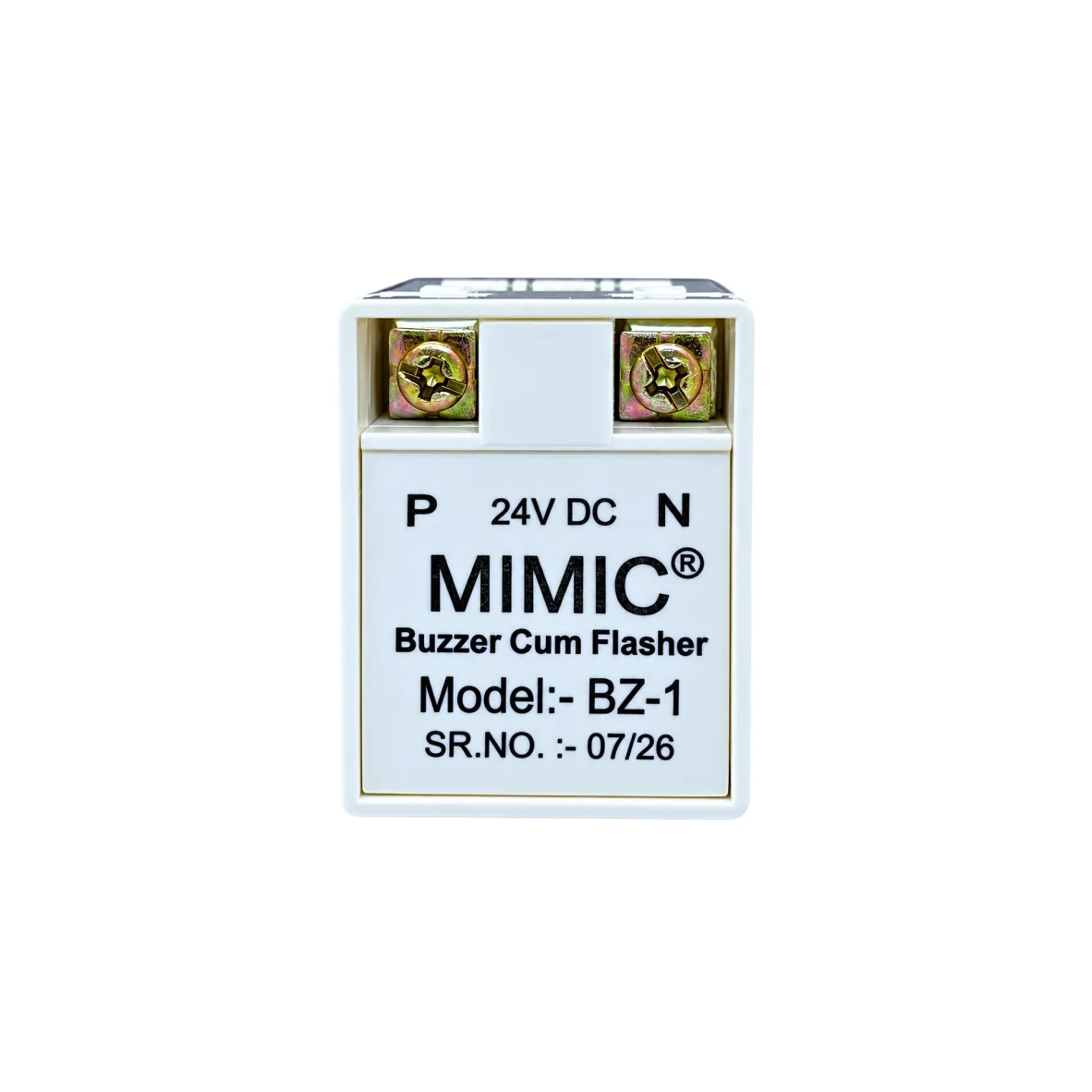
A factory floor can be a challenging place to monitor. Motors are running, machines are producing noise, operators are moving between workstations, and control panels may be positioned away from the people responsible for them. In such conditions, an important equipment notification can easily be overlooked.
An Audio visual alarm offers a simple approach to this problem by combining a sound signal with a flashing light. Instead of depending on only one type of indication, the device provides both audible and visual notification when the connected system activates it.
Understanding the Role of an Audio Visual Alarm
The purpose of an audio-visual warning device is to make a particular equipment condition noticeable to an operator. It can be connected to a control circuit and activated when a predefined event occurs.
For example, a machine fault, process interruption, or equipment status change may trigger the warning. The buzzer draws attention through sound, while the flashing element provides a visual indication.
This type of arrangement can be especially helpful when operators are not constantly looking at the control panel.
Why Simple Warning Systems Still Matter
Modern factories may use sophisticated automation and monitoring systems, but basic indication remains important. Operators still need to know when something requires their attention.
A complicated monitoring system is not always necessary for every notification. For many panel-based applications, a clearly noticeable buzzer and flashing indicator can provide a straightforward way to communicate a condition.
The simplicity of the concept is one of its practical advantages.
Important Features to Consider
When selecting a warning device, several factors deserve attention.
Audible Indication
The sound should be suitable for the surrounding environment. In a relatively quiet area, a modest audible signal may be sufficient, while a busy production area may require a more noticeable alert.
Flashing Visual Signal
The visual element provides a clear indication that the warning circuit is active. Its effectiveness depends partly on its placement and the visibility of the panel.
Electrical Compatibility
The device must be suitable for the voltage and electrical characteristics of the control circuit. This is one of the first specifications to verify during product selection.
Compact Design
Panel-mounted signaling products are generally useful where installation space is limited. A compact device can provide two forms of indication without requiring separate components.
Product Options From Mimic Products
Mimic Products provides buzzer-cum-flasher products for electrical switchgear and industrial signaling applications. Its product category includes different voltage variants intended for different control-panel requirements.
Depending on the model, the range covers applications involving options such as 110V DC, 110V AC, 12–24V AC/DC, 230V AC, and 24V DC.
When choosing a particular model, users should always confirm the specifications provided for that product and match them with their electrical system.
Common Industrial Applications
These warning devices can be useful in many situations where an operator needs to recognize an equipment condition quickly.
Control Panels
A warning device can indicate a fault or status change within an electrical control cabinet.
Manufacturing Machinery
Production equipment may use audible and visual alerts to notify operators about specific machine conditions.
Automation Systems
Automated processes can use panel-mounted indicators to communicate events that require operator attention.
Electrical Equipment
Electrical systems can incorporate warning devices as part of their indication and monitoring arrangements.
Production Lines
In a production environment, a noticeable alert can help operators identify interruptions or conditions requiring inspection.
How to Choose the Right Product
Selecting a suitable unit should begin with the application rather than simply choosing a product based on appearance.
First, determine the voltage available in the control circuit. Next, consider where the device will be installed and how easily operators need to see or hear it.
The surrounding environment also matters. A device installed in a noisy production area has different requirements from one installed in a quieter control room.
It is also useful to consider whether the alarm will be used for a fault, process condition, machine status, or another specific notification.
Installation Considerations
The device should be installed according to its product specifications and the electrical design of the control system. Connections should be checked carefully before energizing the circuit.
The mounting position should allow the flashing signal to remain visible. Avoid placing the indicator where machinery, covers, or other equipment could block the light.
Electrical installation and maintenance should be carried out by appropriately qualified personnel and according to applicable safety procedures.
How It Can Support Faster Attention
Consider a situation where an operator is inspecting a machine several metres away from its control panel. A small indicator lamp may not be visible from that position.
If the control system activates an audible and flashing signal, the sound can draw attention toward the equipment. The flashing light then provides a visual confirmation when the operator looks toward the panel.
This does not eliminate the need for proper monitoring procedures, but it can make a notification more noticeable.
Maintaining Reliable Indication
Even a simple warning device benefits from periodic inspection. Operators or maintenance teams can check that the unit activates correctly when the associated control circuit is tested.
The panel should also be kept clean enough for the visual signal to remain visible. Wiring and connections can be inspected during scheduled maintenance according to the site's maintenance procedures.
Regular checks help ensure that an alert system is available when it is needed.
Summary
Clear equipment indication is an important part of industrial monitoring. An Audio visual alarm combines sound and light to make predefined equipment conditions more noticeable to operators.
Its applications can include control panels, machinery, automation systems, electrical equipment, and production environments. The right product should be selected according to voltage, installation conditions, visibility, sound requirements, and the intended application.
Mimic Products offers a range of buzzer-cum-flasher products with different voltage options for industrial electrical and signaling requirements.
Frequently Asked Questions
1. What is the main purpose of an Audio visual alarm?
Its main purpose is to provide audible and visual notification when a connected control circuit activates the device.
2. Can it be installed on a control panel?
Yes. Buzzer-cum-flasher devices are commonly used for panel-based indication and industrial signaling applications, subject to the product's mounting and electrical specifications.
3. Why is flashing light useful?
A flashing light provides a visual indication that can remain noticeable while an alarm condition is active, particularly when positioned where operators can easily see it.
4. What voltage should I select?
The required voltage depends on the control circuit. Always match the selected model's rated voltage with the electrical requirements of the application.
5. Are these devices suitable for noisy factories?
They can be useful in noisy environments because they combine an audible signal with a visual indication. The appropriate model should be selected according to the conditions of the installation.
6. What products are available from Mimic Products?
Mimic Products' buzzer-cum-flasher category includes different voltage options for electrical switchgear and industrial signaling applications. Users should review individual product specifications before purchasing.
7. Is an alarm device enough for machine safety?
No. An alarm provides indication and notification. It should work alongside appropriate machine guards, control systems, emergency devices, operating procedures, and other required safety measures.
 Romaian
 English
 Arabic
 French
 Spanish
 Portuguese
 Deutsch
 Turkish
 Dutch
 Italiano
 Russian
 Portuguese (Brazil)
 Greek