


From Booking Errors to Vehicle Downtime: How Rental Fleet Software Solves Common Problems
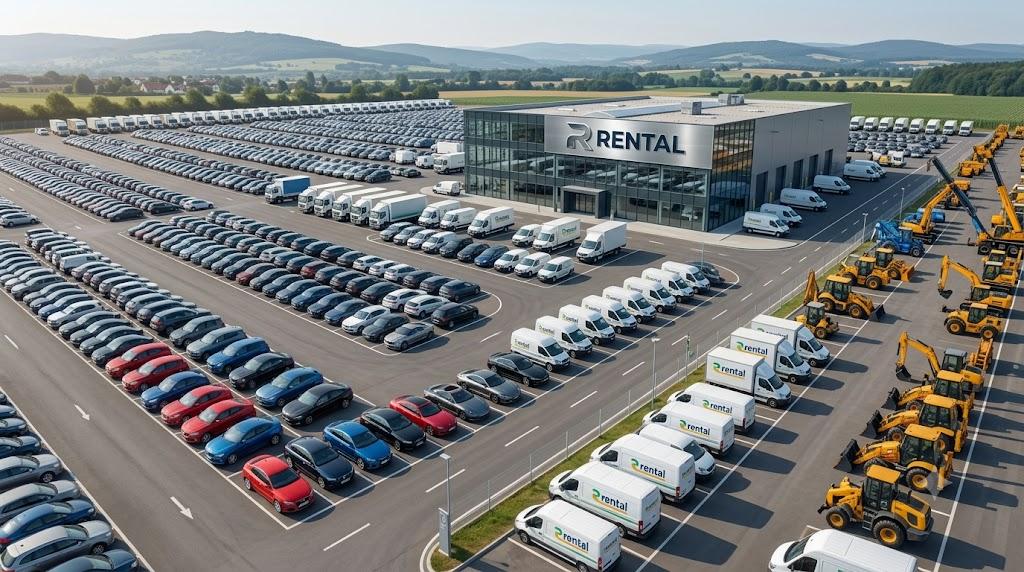
Running a rental fleet sounds straightforward: get vehicles booked, hand them over to customers, collect the payment, and get them back.
But anyone managing a rental business knows it is rarely that simple.
A booking gets entered incorrectly. A vehicle is accidentally double-booked. A customer returns a car late. A service is overdue. A vehicle sits in the workshop for days. A payment is missed. Then someone has to search through spreadsheets, emails, messages, and paperwork to figure out what happened.
As the fleet grows, these small problems can quickly become expensive.
This is where rental fleet management software can help. By bringing bookings, vehicles, customers, payments, inspections, maintenance, and reporting into one system, rental businesses can reduce manual work and get better control over daily operations.
1. Booking Errors Can Create a Chain Reaction
One of the most common problems in rental operations is booking management.
When bookings are managed manually, it is easy to make mistakes. A vehicle may be booked for two customers at overlapping times, the wrong vehicle may be assigned, or a booking may not be updated when plans change.
These errors can affect the entire rental process.
For example, if a vehicle is incorrectly shown as available, a customer may make a booking only for the team to discover later that the vehicle is already being used.
How software helps:
A centralised booking system gives staff a clearer view of vehicle availability, booking dates, customer information, and vehicle status.
Instead of checking several spreadsheets or calendars, the team can manage bookings from one place.
This is one of the main reasons businesses move from spreadsheets to fleet rental management software.
2. Manual Vehicle Tracking Makes Fleet Visibility Difficult
Do you know exactly where every vehicle in your fleet stands right now?
Is it:
- Available?
- Currently rented?
- Due back today?
- Under maintenance?
- Awaiting inspection?
- Unavailable because of damage?
When this information is spread across different systems, getting a clear answer can take time.
How software helps:
Fleet rental software can centralise vehicle information and show the current status of each vehicle.
This gives rental teams better visibility and makes it easier to allocate vehicles, plan bookings, and identify vehicles that are not available for rental.
3. Vehicle Downtime Means Lost Rental Opportunities
A vehicle sitting in a workshop is not generating rental revenue.
Downtime can happen because of regular servicing, unexpected repairs, accidents, inspections, or other maintenance requirements.
The problem becomes bigger when maintenance is not planned properly.
A service might be missed, a repair may take longer than expected, or a vehicle may remain unavailable because nobody has updated its status.
How software helps:
Rental fleet software can help businesses track maintenance schedules, service history, inspections, and vehicle availability.
Automated reminders can also alert teams when important maintenance or compliance dates are approaching.
This allows businesses to plan maintenance before a small issue becomes a bigger operational problem.
4. Missed Maintenance Can Become an Expensive Problem
Rental vehicles usually experience more frequent use than privately owned vehicles.
That means maintenance needs to be carefully monitored.
If servicing is forgotten or delayed, the business could face:
- Unexpected repair costs
- Longer vehicle downtime
- Customer complaints
- Safety concerns
- Lower vehicle resale value
Manually checking maintenance schedules for a large fleet can become difficult.
How software helps:
A rental fleet management system can store service records and provide reminders for upcoming maintenance.
Managers can see which vehicles need attention and plan servicing around upcoming bookings where possible.
5. Manual Inspections Can Lead to Missing Damage
Vehicle inspections are an important part of the rental process.
Without a proper inspection process, existing damage can be missed or new damage may be difficult to identify.
This can create disputes between rental businesses and customers.
How software helps:
Digital inspection tools can allow staff to record vehicle condition, capture photos, document damage, and keep inspection records connected to the relevant rental.
This creates a more consistent process before and after a vehicle is rented.
6. Late Returns Can Disrupt the Next Booking
A customer returning a vehicle late does not only affect that one booking.
If another customer is scheduled to collect the same vehicle shortly afterwards, the delay can create a chain reaction.
The next customer may have to wait, the vehicle may not be inspected on time, and staff may need to reorganise other bookings.
How software helps:
A centralised rental system can give staff better visibility into upcoming returns and bookings.
With clearer booking schedules and vehicle status information, teams can identify potential conflicts earlier and manage the next booking more effectively.
7. Payment Tracking Becomes Difficult as Bookings Increase
Rental businesses have to keep track of deposits, rental charges, extensions, additional fees, outstanding payments, and invoices.
Managing all of this manually can become time-consuming.
It can also be difficult to quickly identify which customers have outstanding balances.
How software helps:
Rental software can connect booking and customer information with payment and invoicing processes.
This gives businesses a central place to monitor rental charges and outstanding payments instead of relying on separate spreadsheets or manual records.
8. Too Much Time Is Spent on Repetitive Administration
One of the biggest hidden costs in rental fleet management is administrative work.
Staff may spend hours every week:
- Updating spreadsheets
- Sending booking confirmations
- Checking vehicle availability
- Following up on payments
- Checking service dates
- Updating customer records
- Preparing reports
- Managing paperwork
None of these tasks directly puts another vehicle on the road.
How software helps:
Automation can reduce repetitive work by handling reminders, notifications, documents, reports, payment processes, and other routine tasks.
This allows staff to spend more time on customers and actual fleet operations.
9. Poor Fleet Data Makes Decision-Making Harder
Rental businesses generate a lot of data.
But having data is not the same as having useful information.
If booking data, vehicle information, maintenance records, and financial information are stored separately, it can be difficult to understand how the fleet is actually performing.
For example:
- Which vehicles are generating the most revenue?
- Which vehicles are spending too much time off the road?
- Which vehicles are being underutilised?
How software helps:
A good rental fleet management platform can bring operational information together and provide reports that help managers understand fleet performance.
This can support better decisions around vehicle utilisation, maintenance, replacement, and fleet growth.
10. Growing Fleets Can Outgrow Spreadsheets
Spreadsheets can be useful when managing a small number of vehicles.
But as the fleet grows, spreadsheets can become harder to maintain.
More vehicles mean more bookings, customers, maintenance records, payments, inspections, and data.
At some point, adding more rows to a spreadsheet is not the solution.
How software helps:
A centralised system can give rental businesses a scalable way to manage their operations.
Whether a business has a small fleet or is managing hundreds of vehicles, the software should make it easier to manage information as the operation grows.
What Should You Look for in Rental Fleet Software?
Not every system is designed specifically for rental businesses.
When comparing the best fleet rental management software, look beyond the number of features and consider whether the software actually solves your biggest operational problems.
Important features to consider include:
- Vehicle and booking management
- Customer and driver management
- Digital rental agreements
- Vehicle inspections
- Maintenance tracking
- Registration and insurance reminders
- Payment and invoice management
- Fleet reporting and analytics
- Mobile access
- Automation
- Accounting and payment integrations
Most importantly, the software should be easy for your team to use. A system with hundreds of features is not useful if staff struggle to use it every day.
Fleet Rental Software Australia: What Local Businesses Should Consider
For businesses searching for fleet rental software Australia, local requirements should also be considered.
Australian rental businesses may need to manage vehicle registration, insurance, inspections, payments, rental agreements, customer information, and other operational requirements.
It is also worth checking whether the platform supports Australian payment methods and integrations used by your business.
The right solution should fit your existing rental workflow rather than forcing your team to completely change how it operates.
How Software Helps Rental Businesses Move From Reactive to Proactive
Without the right systems, rental teams often end up reacting to problems.
A vehicle breaks down, so someone deals with it.
A payment is missed, so someone follows it up.
A booking conflict appears, so someone tries to fix it.
A service date is missed, so the vehicle suddenly needs attention.
Software can help businesses become more proactive.
Automated reminders, centralised records, booking visibility, maintenance tracking, and reporting can help teams identify problems earlier.
That means fewer surprises and better control over daily operations.
Final Thoughts
Booking errors, vehicle downtime, missed maintenance, late returns, payment issues, and administrative overload can all affect the profitability of a rental business.
The good news is that many of these problems can be reduced with the right technology.
A modern rental fleet management system can bring bookings, vehicles, customers, payments, inspections, maintenance, and reporting together in one place.
Instead of spending hours trying to find information or fix avoidable mistakes, rental teams can focus on keeping vehicles available, serving customers, and growing the business.
The goal of rental software is not simply to digitise existing processes. It is to make the entire rental operation easier to manage, more visible, and more efficient.

 English
 French
 Spanish
 Portuguese
 Deutsch
 Turkish
 Dutch
Dutch
 Italiano
 Russian
 Romaian
 Portuguese (Brazil)
 Greek
Greek