


What BPC-157 Is and Why Researchers Study It
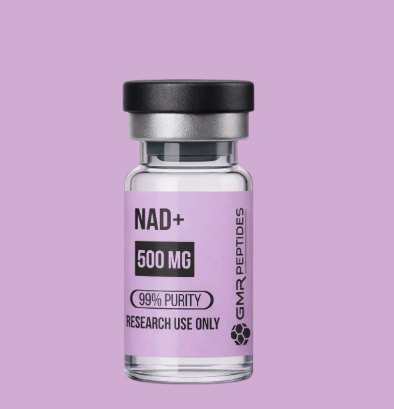
BPC-157 is a synthetic peptide that has drawn steady interest in laboratory and preclinical research because of how often it appears to influence tissue repair, inflammation, and recovery-related pathways. In simple terms, it is a short chain of amino acids modeled after a protein fragment naturally found in the stomach. Researchers study it because early findings suggest it may interact with several biological systems at once, which makes it an unusual and scientifically interesting compound. For readers first encountering the topic, even a quick look at a bpc157 research overview can show why the compound has become so widely discussed in scientific circles.
Interest in BPC-157 has grown because modern research often looks for substances that help explain how the body manages healing, inflammation, and cellular signaling. Rather than acting like a single-target molecule, BPC-157 appears to have broad activity in experimental settings. That does not mean it is fully understood or approved for medical use, but it does explain why scientists continue to examine it carefully. The more researchers learn, the better they can map its possible mechanisms and limitations.
This article explains what BPC-157 is, where it comes from, why it is being studied, and what current research can and cannot tell us. It also addresses common questions people ask when they first hear about it.
Key Points
- BPC-157 is a synthetic peptide based on a fragment found in gastric juice.
- Researchers study it for possible roles in tissue repair, inflammation control, and recovery processes.
- Most of the available data comes from laboratory and animal studies, not large human trials.
- Its appeal comes from the possibility that it may affect multiple biological pathways at once.
- Even with promising early findings, its exact mechanisms and real-world effects are still being investigated.
What BPC-157 Actually Is
BPC-157 stands for Body Protection Compound-157. It is a peptide, which means it is made of a short sequence of amino acids. Peptides are smaller than proteins, but they can still have important biological effects because they interact with receptors, enzymes, and signaling pathways inside the body.
What makes BPC-157 especially notable is its origin. It was derived from a protective protein sequence found in gastric secretions. Because of that background, early research focused on how it might help protect or repair tissues under stress. Scientists have since explored its effects in many different contexts, including connective tissue, muscles, tendons, nerves, and the digestive system.
It is important to understand that BPC-157 is not the same as a vitamin, mineral, or traditional supplement. It is a research peptide. That distinction matters because peptides are typically studied in controlled environments where researchers can observe their effects carefully before drawing conclusions about broader use.
Why Researchers Are Interested in It
Researchers study BPC-157 for one main reason: it appears to show more than one effect in experimental models. Many compounds are useful because they target one pathway. BPC-157 is interesting because it may influence several processes that matter during repair and recovery.
1. Tissue repair
One of the most discussed areas of research involves tissue healing. In preclinical studies, BPC-157 has been observed in models related to muscle injury, tendon stress, ligament strain, and wound recovery. Scientists are interested in whether it may help the body organize repair signals more efficiently, especially in tissues that normally heal slowly.
2. Blood flow and vessel signaling
Some studies suggest BPC-157 may interact with pathways involved in blood vessel formation and circulation. This matters because healing often depends on getting oxygen and nutrients to damaged tissue. If a compound influences vascular signaling, it may help explain why it shows up in recovery research.
3. Inflammation regulation
Inflammation is part of the body’s natural defense and repair process, but too much or prolonged inflammation can interfere with recovery. Researchers have looked at whether BPC-157 may help moderate inflammatory responses in experimental settings. This is one reason it remains a topic of interest in studies involving injury and tissue stress.
4. Digestive system research
Because BPC-157 was originally derived from a stomach-related protein fragment, it has also been studied in gastrointestinal models. Researchers have examined possible effects on the lining of the digestive tract and on conditions where tissue integrity is disrupted. This area is especially important because the gut plays a central role in overall health and immune balance.
How Scientists Study BPC-157
Most of what we know about BPC-157 comes from laboratory and animal research. That means scientists test it under tightly controlled conditions to see how tissues, cells, and biological pathways respond. These studies are useful because they help identify patterns and possible mechanisms, but they do not automatically translate into confirmed effects in humans.
Researchers may look at markers such as healing speed, inflammation signals, blood vessel activity, tissue structure, and pain-related responses. They also compare BPC-157 with untreated controls to understand whether the peptide changes outcomes in a measurable way. This kind of work is foundational. It helps determine whether a compound deserves further study and what questions should come next.
Human research is still limited compared with the volume of preclinical work. That means it is too early to make broad claims about effectiveness, safety, or ideal use. Good science requires caution, especially when the evidence base is still developing.
What Makes It Different From Other Research Peptides
BPC-157 stands out because of its broad range of observed effects in early studies. Some peptides are studied for one narrow purpose, while BPC-157 appears in research across several systems. That has made it popular among scientists who want to understand how one molecule can influence healing-related pathways in different tissues.
Another difference is its stability profile. In research discussions, BPC-157 is often noted for showing activity under conditions that can be challenging for some other peptides. This has led to further interest in how it behaves in experimental models and why it may remain active in certain environments.
Still, being interesting does not mean being fully understood. A compound can show promising results in a lab and still require years of careful testing before its practical value is clear. That is where BPC-157 currently sits: promising enough to keep researchers engaged, but not yet fully defined.
Limits of Current Knowledge
One of the most important things to know about BPC-157 is that the research is still incomplete. Preclinical findings can point toward possible mechanisms, but they cannot answer every real-world question. Human biology is more complex than a cell dish or animal model, and outcomes may differ when variables such as age, health status, and dosing conditions come into play.
There is also the issue of consistency. Different studies may use different methods, tissues, or measurement tools, which can make results harder to compare. That is not unusual in early-stage research, but it is one reason scientists avoid overstatement.
For readers, the safest takeaway is this: BPC-157 is scientifically interesting, but it should be viewed as a subject of ongoing research rather than a settled solution. That mindset keeps expectations realistic and supports better decision-making.
Why the Topic Keeps Growing
BPC-157 continues to attract attention because it sits at the intersection of healing, inflammation, and regenerative biology. Those are major areas of medical science, especially as researchers look for better ways to understand injuries that recover slowly or incompletely.
It also reflects a broader trend in biomedical research. Scientists increasingly want to know not just whether something works, but how it works across multiple systems. Peptides like BPC-157 are useful for that kind of inquiry because they can reveal connections between signaling pathways that were not obvious before.
In that sense, BPC-157 is more than just a single research topic. It is part of a larger effort to understand how the body repairs itself and what can support that process under stress.
Practical Takeaway for Readers
If you are new to the topic, the most useful way to think about BPC-157 is as an experimental peptide with intriguing early data and unresolved questions. Its popularity comes from research suggesting it may support several repair-related processes, but science has not yet reached a final conclusion.
For students, researchers, or curious readers, the key is to focus on the evidence, not the hype. Look for study design, sample size, model type, and whether findings come from animals, cells, or humans. Those details matter far more than broad claims.
Conclusion
BPC-157 has become a major point of interest because it may help scientists better understand how the body responds to injury, inflammation, and tissue stress. Its origins in gastric protein fragments, combined with its broad effects in preclinical studies, make it a unique subject of research. At the same time, the evidence is still developing, and much remains unknown about how it behaves in humans.
That balance of promise and uncertainty is exactly why researchers keep studying it. BPC-157 may eventually help clarify new pathways in healing science, but for now it remains a compound best understood through careful, unbiased research.
FAQ
What is BPC-157 made from?
BPC-157 is a synthetic peptide made from a sequence related to a protein fragment found in gastric juice. It is created for research purposes so scientists can study its biological effects.
Why do researchers study BPC-157?
Researchers study it because early experiments suggest it may affect tissue repair, inflammation, circulation, and digestive tract integrity. Its broad range of possible effects makes it scientifically interesting.
Is most of the evidence from human studies?
No. Most of the available evidence comes from laboratory and animal studies. Human research is still limited, so conclusions about real-world effects remain cautious.
Does BPC-157 work the same way in every tissue?
Not necessarily. Different tissues may respond differently, and scientists are still exploring how its effects vary across the body.
Is BPC-157 fully understood?
No. Researchers have identified several promising areas of activity, but its exact mechanisms, long-term effects, and practical applications are still being studied.
Why is BPC-157 often mentioned in recovery research?
It appears in recovery research because it has shown possible effects on healing-related pathways in preclinical studies. That has made it a useful topic for investigating how the body repairs damaged tissue.
 Greek
 English
 Arabic
 French
 Spanish
 Portuguese
 Deutsch
 Turkish
 Dutch
 Italiano
 Russian
 Romaian
 Portuguese (Brazil)