


TL-15 Gun Safe: Understanding Security Ratings, Construction, and Storage
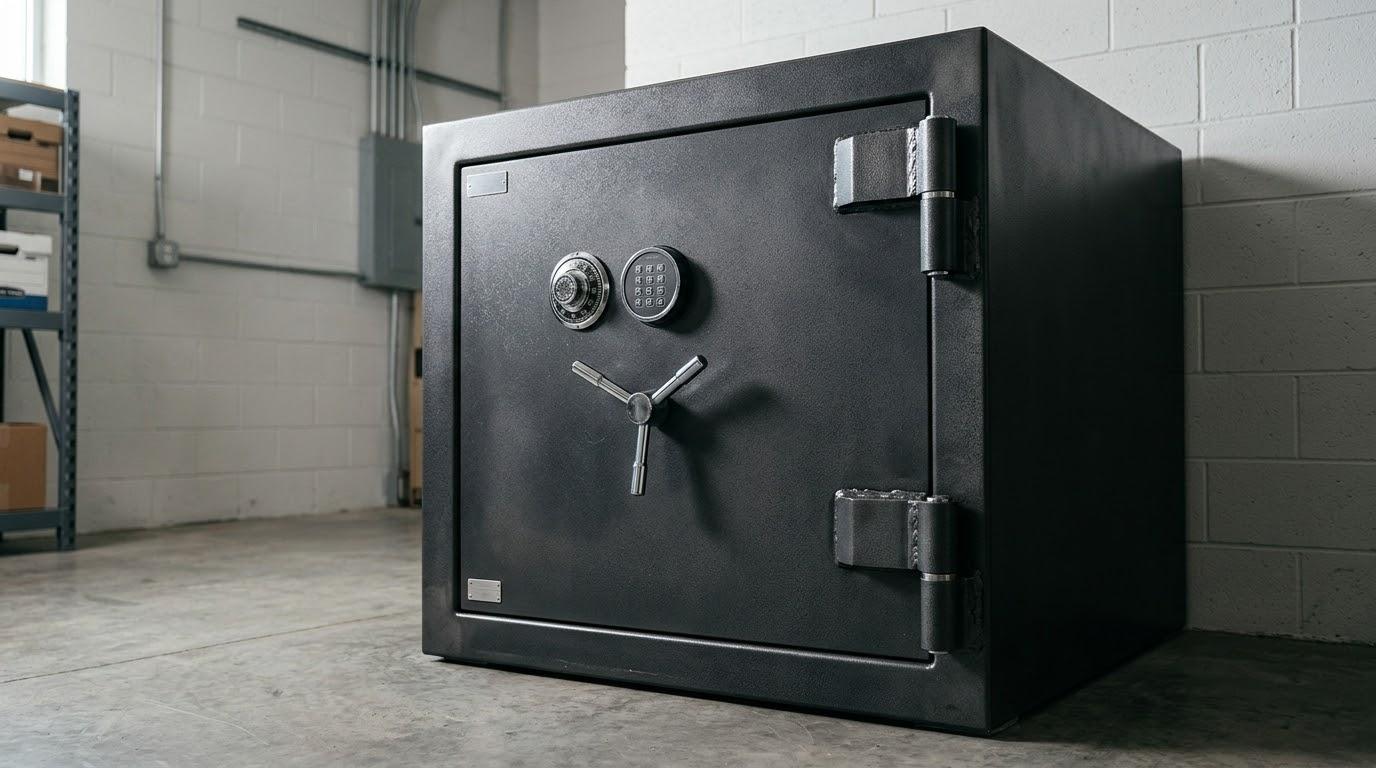
Choosing a high-security safe requires more attention than simply checking its size, weight, or locking mechanism. For buyers researching a TL-15 gun safe, the most important consideration is its independently tested resistance to burglary attempts. This rating provides useful information about how a safe performs under a defined set of testing conditions. However, it does not automatically guarantee protection against fire, water, or every possible break-in method. Understanding the certification, construction, locking system, and intended use helps buyers select a safe that suits their property, storage requirements, and security expectations.
What Is a TL-15 Gun Safe?
A TL-15 safe is a high-security safe designed to resist a specified burglary attack. The TL classification is associated with Underwriters Laboratories (UL) testing under its safe burglary-resistance standards. The number 15 refers to the required net working time during the standardized tool-attack test, rather than the total duration of every stage of the testing process.
This distinction matters because the rating describes performance under controlled conditions. It does not mean that a safe will necessarily resist every attack for exactly 15 minutes in a real-world situation. Results can vary according to the tools used, the attack method, the safe's installation, and other circumstances.
TL-15 safes are commonly considered for commercial premises, professional environments, and properties where the value of stored contents justifies a higher level of security. Some models can also accommodate firearms, documents, jewelry, cash, and other valuables, depending on their internal dimensions and configuration.
How the TL-15 Security Rating Works
The TL-15 classification indicates that a safe has met a defined resistance standard during testing with specified tools and procedures. This makes it different from a product description that merely calls a safe heavy-duty, reinforced, or burglary-resistant without identifying an independent certification.
When evaluating a model, buyers should confirm that the certification applies to the exact product being considered. A manufacturer's general statement about security may not establish that every model in its product range carries the same rating.
The scope of the certification also deserves attention. The TL-15 rating generally concerns the door and front face of the safe. Buyers should review the manufacturer's documentation to understand the certified configuration and any limitations.
A safe's rating is one important part of a broader security assessment. Installation, access control, the surrounding building, and the value of the stored property all affect the overall level of protection.
Construction and Materials
Construction quality plays a significant role in the performance of a high-security safe. Manufacturers may use substantial steel plates, reinforced door assemblies, internal locking components, and specialized barrier materials to achieve their intended security standards.
Steel thickness alone, however, does not establish a safe's complete resistance. Door construction, body design, locking hardware, manufacturing quality, and the results of independent testing must be considered together.
Buyers should examine the product's technical specifications rather than relying exclusively on phrases such as heavy steel or reinforced body. Clear documentation makes it easier to distinguish verified features from general marketing descriptions.
The door deserves particular attention because it contains the locking system and forms a major part of the safe's security structure. Hinges, locking bolts, and the surrounding frame also contribute to the overall design.
A well-built safe should have documented specifications, consistent manufacturing quality, and a certification appropriate to its intended use.
Locking Systems and Access Control
TL-15 safes may be supplied with mechanical combination locks or electronic locking systems, depending on the model. Both options can be suitable when properly specified, installed, and maintained.
Mechanical combination locks do not depend on batteries or electronic power. Some owners appreciate their straightforward operation, although opening them requires remembering the correct combination and following the manufacturer's instructions.
Electronic locks may offer convenient access management and features such as programmable combinations or audit functions on selected models. Their capabilities vary, so buyers should verify which functions are actually included rather than assuming every electronic lock provides the same features.
Regardless of the lock type, combinations and access credentials should remain private. Access should be limited to authorized individuals, and any change in ownership or access permissions should be handled according to the manufacturer's guidance.
Before purchasing a safe, review the lock's certification, warranty, service requirements, and available support. The locking mechanism should be appropriate for the safe's security classification rather than selected solely for convenience.
TL-15 Rating Versus Fire Protection
Burglary resistance and fire resistance are separate considerations. A safe carrying a TL-15 burglary rating should not automatically be described as fireproof.
Fire protection depends on the safe's construction, insulation, seals, and tested performance under specified temperature conditions. Some safes have a separate documented fire rating, while others may provide limited or unverified protection against heat.
Anyone storing important documents, digital media, or other heat-sensitive items should review the fire-protection specifications independently. Pay attention to the stated test duration, temperature, and the type of contents covered by the manufacturer's claims.
Water protection is another separate feature. A safe may provide some resistance to water exposure, but this should be supported by relevant product documentation rather than inferred from its burglary rating.
Understanding these differences helps buyers avoid paying for a security feature they assume is included when it may not be.
Choosing the Right Size and Interior Layout
The appropriate size depends on what needs to be stored and how much room is available at the installation location. A safe designed for documents or jewelry may have a different interior arrangement from one configured for firearms.
Check both external and internal dimensions. Exterior measurements determine whether the safe will fit through entrances and into the intended room, while interior measurements determine how much usable storage space is available.
Shelves, drawers, and adjustable compartments can make a safe more practical for mixed storage. However, internal fittings may reduce the space available for larger items. Buyers should also consider whether the door swing and opening clearance will work in the chosen location.
For firearm storage, follow applicable laws and the manufacturer's instructions. Keep firearms secured against unauthorized access, and store ammunition according to local requirements and the safe manufacturer's guidance.
Planning the interior before purchase can prevent unnecessary rearrangement and help ensure that the safe remains useful as storage needs change.
Installation and Placement Considerations
A high-security safe is only one part of a property's security arrangements. Its placement and installation should be planned carefully, with attention to the building structure, floor capacity, access routes, and the manufacturer's requirements.
TL-15 safes can be heavy, and moving one may require professional delivery and installation services. Before ordering, confirm that the intended location can support the unit's weight and that doorways, stairs, and corridors provide adequate clearance.
Some certified safes must meet specific weight or anchoring requirements to qualify under the applicable standard. Installation instructions and certification documentation should therefore be reviewed before making assumptions about placement.
Professional installers can help assess practical constraints and ensure that the safe is positioned according to the manufacturer's recommendations. Any anchoring or structural work should be performed appropriately for the building.
The location should also support controlled access. Avoid giving unnecessary individuals access to the safe's combination, keys, or electronic credentials.
Understanding Cost and Long-Term Value
TL-15 safes generally occupy a higher security category than basic residential storage containers. Their cost can reflect tested construction, locking hardware, manufacturing quality, interior configuration, delivery, and installation.
The purchase price alone does not show the complete cost of ownership. Buyers may also need to account for professional delivery, installation, maintenance, and potential lock servicing.
Warranty terms deserve careful review. Confirm which components are covered, how long coverage lasts, whether labor is included, and whether particular installation conditions affect the warranty.
A higher price does not automatically establish that a product is better suited to a particular situation. The most appropriate choice is one whose verified security rating, size, access controls, and installation requirements match the intended use.
For businesses, insurers may specify particular security standards for certain stored assets. Confirming those requirements before purchasing can prevent an expensive mismatch.
Common Mistakes When Selecting a TL-15 Safe
One frequent mistake is treating the TL-15 designation as a guarantee against every type of damage. The rating concerns a specific burglary-resistance test and does not replace separate assessments of fire or water protection.
Another mistake is relying on steel thickness or total weight as the only measures of security. These details can provide useful context, but they do not substitute for the relevant certification.
Buyers should also avoid assuming that every safe from a particular manufacturer carries the same rating. Certifications and features can differ between models, even when their exterior designs appear similar.
Ignoring delivery and installation can create further problems. A safe that cannot be moved safely into its intended location or installed according to its requirements may become difficult to use as planned.
Finally, do not overlook access management. Strong physical construction is less effective when combinations are shared carelessly or unauthorized individuals can access the safe.
Conclusion
A TL-15 gun safe can be a suitable choice for people who require documented burglary resistance beyond that offered by basic storage containers. Its value depends on verified certification, sound construction, an appropriate locking system, and correct installation.
Before buying, confirm the rating for the exact model, review its internal and external dimensions, and assess fire protection separately if it is needed. Delivery requirements, warranty coverage, and access management also deserve attention. A careful evaluation of these factors helps buyers select a safe that meets their security needs without relying on unsupported marketing claims.
Frequently Asked Questions
What does TL-15 mean on a safe?
TL-15 identifies a safe that has met a specified burglary-resistance test involving 15 minutes of net working time against the prescribed tool attack. It is a defined test rating, not a guarantee of resistance to every possible break-in attempt.
Is a TL-15 safe fireproof?
Not necessarily. TL-15 is a burglary-resistance classification. Fire protection must be verified through separate documentation or a distinct fire-resistance rating.
Are all TL-15 safes designed for firearms?
No. The classification concerns burglary resistance, not the intended contents. Some models can accommodate firearms, while others are designed primarily for cash, documents, jewelry, or commercial valuables.
Should a TL-15 safe be professionally installed?
Professional installation may be advisable because these safes can be heavy and may have specific placement or anchoring requirements. Follow the manufacturer's instructions and check the building's capacity before installation.
What should buyers verify before purchasing?
Confirm the exact model's certification, construction specifications, lock type, internal dimensions, separate fire rating if needed, warranty, and installation requirements. These details provide a clearer basis for a purchasing decision than appearance or weight alone.
 Dutch
 English
 Arabic
 French
 Spanish
 Portuguese
 Deutsch
 Turkish
 Italiano
 Russian
 Romaian
 Portuguese (Brazil)
 Greek