


Decorative Panel Layouts for Symmetrical Wall Design
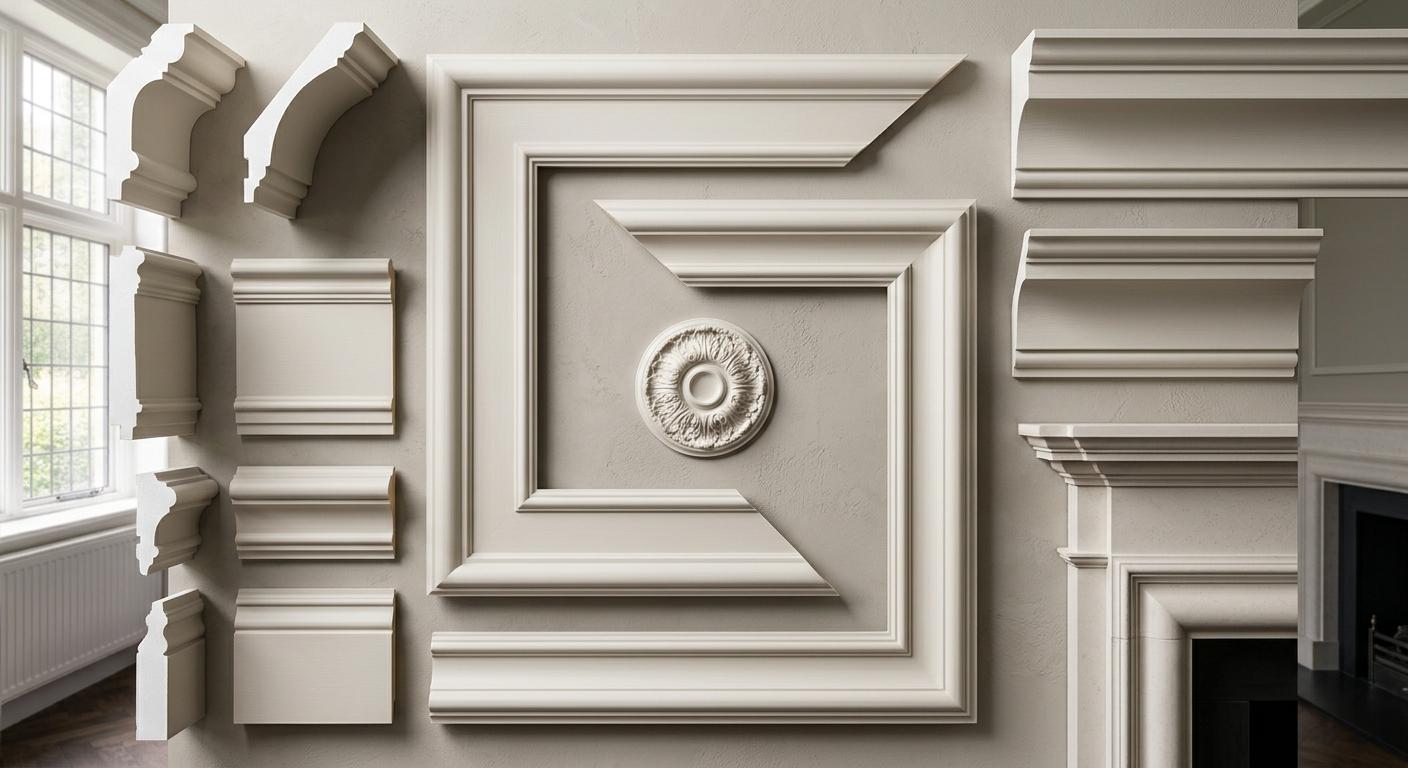
A well-designed interior often feels balanced because its decorative elements follow a clear and consistent arrangement. Symmetry is one of the most effective ways to achieve this effect, particularly when designing walls in living rooms, dining areas, bedrooms, and hallways. Decorative wall frames introduce structure and depth, helping plain surfaces become attractive architectural features without requiring major changes to the room.
Using panel molding is a practical way to create symmetrical wall designs that suit both traditional and contemporary interiors. By arranging rectangular frames evenly, maintaining consistent spacing, and choosing suitable profiles, homeowners can achieve a polished appearance that complements their furniture and overall decorating style. The key is to understand how proportion, alignment, and repetition work together.
Understanding Symmetry in Wall Design
Symmetrical design involves arranging decorative elements so that both sides of a central point appear balanced. On a wall, this may mean placing matching panels on either side of a fireplace, positioning equal frames behind a bed, or creating a repeated pattern across a large living room surface.
This approach works particularly well in formal interiors because it creates a sense of order and harmony. However, symmetry can also enhance modern spaces when the frames are simple and the layout avoids unnecessary decoration.
Before selecting a design, identify the wall's natural center. Architectural features such as fireplaces, large windows, or central furniture arrangements can provide useful reference points. Planning around these elements helps ensure that the panels look intentional rather than randomly positioned.
Choosing the Right Panel Arrangement
The number and size of the panels should reflect the dimensions of the wall. Large walls can accommodate several rectangular frames arranged in a consistent sequence, while smaller walls may look better with two or three carefully proportioned sections.
For a living room, a central panel flanked by matching frames can create an attractive focal point. In a bedroom, symmetrical panels positioned behind the headboard can make the sleeping area feel more organized. Dining rooms often benefit from repeated rectangular frames that follow the length of the main wall.
Avoid choosing panel sizes before measuring the available space. Consider the distance between the ceiling, baseboards, corners, and nearby door frames. Leaving balanced margins around the layout is just as important as maintaining equal spacing between individual panels.
Maintaining Consistent Spacing and Alignment
Spacing plays a major role in the success of symmetrical wall designs. Evenly distributed frames create visual rhythm, while irregular gaps can make the arrangement appear unfinished.
Start by measuring the total wall width and deciding how many panels will fit comfortably. Account for the width of the molding itself, along with the spaces between frames. Repeat the same measurements across the wall wherever possible.
Vertical alignment also deserves attention. The tops and bottoms of matching panels should follow consistent horizontal lines, particularly when several frames appear side by side. A measuring tape, level, and marked layout can help maintain accuracy throughout the installation.
For complex walls, sketching the design on paper or marking the proposed frames with painter's tape can reveal proportion problems before materials are cut.
Selecting Profiles That Complement the Interior
The molding profile influences whether a symmetrical layout feels traditional, elegant, or contemporary. Decorative profiles with more pronounced details can complement classic furniture, ornate lighting, and traditional architectural features.
For modern interiors, narrow profiles and simple rectangular shapes often create a cleaner appearance. They provide definition without making the walls feel excessively decorative.
Polyurethane molding is one option for interior projects, offering a variety of profiles for different design preferences. When choosing a product, consider its width, depth, finish, and installation requirements to ensure it suits the intended layout.
Using Color to Strengthen the Design
Color can highlight symmetry or create a subtle architectural effect. Contrasting trim makes individual frames more visible, while matching the molding to the wall produces a softer appearance.
White frames against beige, gray, or muted green walls can create a timeless look. Monochromatic combinations are particularly effective in contemporary rooms, where shadows and surface depth provide the main decorative interest.
Choose colors that work with existing furniture, flooring, curtains, and lighting to maintain a cohesive interior.
Conclusion
Decorative panel layouts can bring structure, elegance, and visual balance to almost any room. By planning around a central point, choosing suitable frame proportions, maintaining consistent spacing, and selecting complementary molding profiles, homeowners can create symmetrical walls that feel refined and harmonious. Careful preparation ensures that the finished design enhances the room's architecture while remaining timeless and practical. Polyurethane Molding for Accent Walls and Feature Panels
#AccentWall #WallTrim

 Arabic
 French
 Spanish
 Portuguese
 Deutsch
 Turkish
 Dutch
 Italiano
 Russian
 Romaian
 Portuguese (Brazil)
 Greek