


How Do Vape Pods Differ from Traditional Vape Devices?
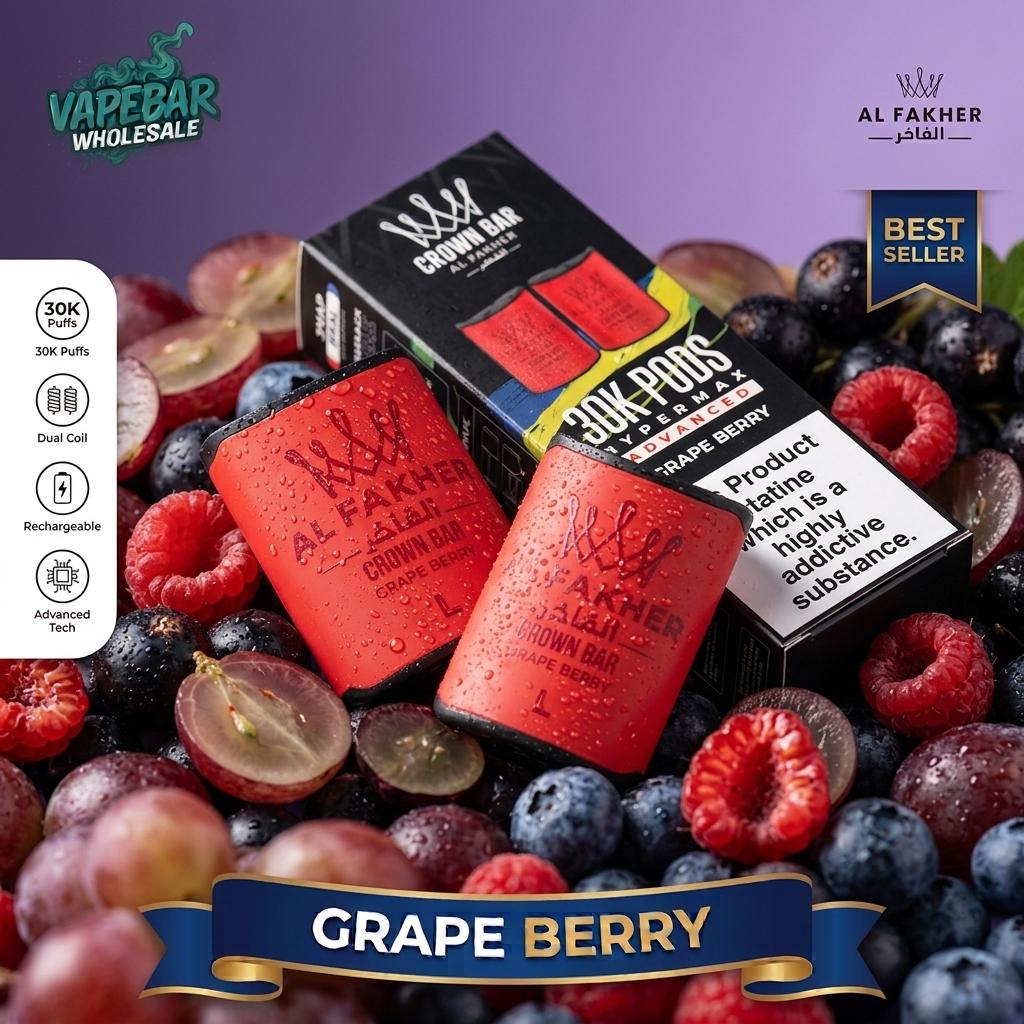
Vape pods differ from traditional vape devices mainly in how they hold and deliver e-liquid. Pod systems use a compact, replaceable cartridge or pod that clips into a slim battery, while traditional devices usually have a refillable tank, a replaceable coil and often a larger battery with more adjustable settings. Pods are simpler and more portable, and traditional kits offer more control. For UK wholesale buyers and retailers, knowing the difference helps with range planning and clear customer advice.
The Core Differences at a Glance
The easiest way to separate the two formats is to look at how much the user has to do. Pod systems are built around convenience, with fewer parts and less setup. Traditional devices are built around flexibility, with more components the user can change. Neither is better in every situation, and customers tend to choose based on how hands-on they want to be.
The main contrasts usually come down to these areas:
-
Size and portability of the device
-
How e-liquid is added or replaced
-
Level of adjustment available to the user
-
Ongoing maintenance and replacement parts
-
Learning curve for first-time customers
How Traditional Vape Devices Work
Traditional devices, often called tank or mod systems, have a battery section, a tank that holds e-liquid and a coil that heats it. The user fills the tank by hand and replaces the coil when the flavour starts to fade. This gives people more say over their setup, but it also means more steps and more parts to understand. Retailers who stock Vape kits often find that these customers ask detailed questions about coils and settings.
Refillable Tanks and Coils
The tank is the part most customers notice first. It is filled with loose e-liquid, which means users choose their own flavour and strength. Coils wear out over time and need replacing, so a customer who buys a tank system will also need a steady supply of compatible coils. Staff should be ready to confirm which coil fits which tank.
Adjustable Power and Airflow
Many traditional devices let users change power output or airflow. This suits experienced customers who like to fine-tune how the vapour feels. The trade-off is that beginners can find the options confusing, so a clear explanation at the counter or on the product page makes a real difference.
How Vape Pods Work
A pod system pairs a small battery with a pod that contains e-liquid and, in most designs, an built-in coil. The pod is pushed or clicked into place, and when it is empty or worn out, the user swaps it for a new one. There is no tank to fill and no separate coil to fit, which is why many first-time customers find pods approachable. Retailers can browse the Pod kits category to see how this format is typically presented.
Refillable Pods and Replacement Pods
Pod systems come in a couple of styles. Some use pods that the user refills with e-liquid, while others use replacement pods that arrive already filled. In both cases the pod is designed for a specific device, so compatibility is the key detail. A pod made for one system will not necessarily fit another.
Prefilled Pod Systems
Prefilled pods remove the need to handle loose liquid at all. The user inserts the pod and starts using the device. This tends to appeal to customers who value tidiness and speed, and the Prefilled Pod Kits range shows how these systems are commonly packaged for trade buyers.
Ease of Use and Maintenance
Pod systems usually win on simplicity. With fewer parts, there is less to clean, less to assemble and less that can go wrong. Traditional devices ask for more attention, including regular cleaning, coil changes and careful filling to avoid leaks. For a customer who wants something that just works, this gap matters a great deal.
That said, maintenance is not always a disadvantage. Some customers enjoy the process and like knowing how their device works. Retailers can help by asking one simple question: does the customer want convenience or control? The answer usually points to the right format.
Typical upkeep tasks differ in the following ways:
-
Pod systems: swap the pod, keep the contacts clean, recharge the battery
-
Traditional devices: refill the tank, replace coils, clean the tank, recharge or replace batteries
-
Both formats: store e-liquid and devices away from heat and direct sunlight
E-Liquid and Nicotine Options
The way e-liquid is supplied is one of the biggest practical differences. Traditional devices rely on bottled liquid, so customers can choose from a wide range of flavours and strengths and switch between them freely. Retailers supplying this market usually carry a broad selection of E-liquids to match different devices and preferences.
Pod systems often limit that choice, since the liquid is either sealed inside the pod or intended for use in one specific system. This keeps things simple but narrows the options. Customers who like to experiment with flavours may find pods restrictive, while those who settle on one favourite flavour may prefer the consistency.
Nicotine Strength in Pod Formats
Nicotine strength is normally shown on the pod or its packaging, so customers can see what they are buying at a glance. Anyone looking at stronger or lighter options can compare the Nico pods range, and retailers should always read the strength shown on the product itself rather than assuming. Within UK regulations, nicotine strength limits apply, and labelling should be clear.
Cost Over Time
Upfront cost and running cost do not always match. Pod systems can look inexpensive at the start because the hardware is small and simple, but the cost of regularly replacing pods adds up. Traditional devices usually cost more at the outset, yet bottled e-liquid and replacement coils can work out differently depending on how much the customer vapes.
Retailers should avoid promising that one format is always cheaper. Usage varies widely between customers, and a heavy user and a light user may get very different results from the same device. It is more helpful to explain how each format is paid for over time and let the customer decide.
Points worth sharing with customers include:
-
Pod systems have a recurring cost in replacement pods
-
Traditional systems have recurring costs in coils and e-liquid
-
Frequency of use has a bigger effect on spending than device type
-
Compatible spare parts should be easy to find before buying
Rechargeable and High-Puff Formats
Many UK buyers have moved away from single-use products and towards devices that can be recharged and used over a longer period. A Rechargeable Vape fits into this shift, and it sits somewhere between a simple pod system and a full tank setup in terms of how much the user needs to do.
Some products are positioned around a higher puff count, which can appeal to customers who dislike changing parts often. If you are reviewing that segment, the High-puff option shows the kind of detail worth checking on a product page. As always, rely on the manufacturer and supplier information rather than assumptions, and never repeat claims you cannot verify.
Pods in the Wholesale Context
For trade buyers, pods raise a stocking question that tank devices do not. Because a pod only works with its matching battery, a retailer who sells the device needs to keep the pods available, and the reverse is also true. A customer who cannot find replacement pods will not come back for the hardware. This is why range planning for pods tends to focus on matching pairs.
One example in this category is the Al Fakher Crown Bar 30K Hypermax Pods Box of 5, a box of five refill pods listed by Vapebar Wholesale. Before listing any pod product, retailers should confirm device compatibility, nicotine strength and pack contents using the supplier details.
Compliance Checks for Pod Products
Any vape product sold in the UK should be TPD compliant and MHRA notified for UK sale where relevant. Buyers should ask suppliers for confirmation and keep documentation on file. Vapebar Wholesale and other trade suppliers can answer product questions, but the retailer remains responsible for what is sold, so checking details at the buying stage saves problems later.
Which Format Suits Which Customer
Customers tend to fall into fairly predictable groups. People moving away from smoking often want something simple that they can pick up and use without reading a manual. Experienced vapers who like to adjust their setup are more likely to choose a traditional device. Occasional or social users often prefer something small that fits in a pocket.
Being able to match the customer to the format is a valuable retail skill. A short conversation about habits, budget and how much effort they are willing to put in usually leads to a sensible suggestion without any pressure to buy.
A quick guide to common preferences:
-
Wants simplicity and portability: pod system
-
Wants flavour variety and adjustment: traditional tank device
-
Wants less mess when handling liquid: prefilled pod system
-
Wants a longer-lasting device that can be recharged: rechargeable format
Responsible Selling Across Both Formats
Whatever the device type, the same responsibilities apply. Vapes cannot be sold to anyone under 18 in the UK, so age checks should be consistent in store and online. Product claims should stay factual, and retailers should not describe any device as risk-free or as a guaranteed way to quit smoking. Customers who want to stop nicotine altogether are best directed to a GP, pharmacist or local stop smoking service.
Regulations and product ranges change, so staying informed is part of the job. The Blog is one place to follow industry updates, and keeping a record of supplier documentation will help if questions arise later.
Frequently Asked Questions
What is the main difference between a vape pod and a traditional vape?
A pod system uses a small replaceable pod that clicks into a slim battery, while a traditional device uses a refillable tank and a separate coil. Pods are simpler and more portable, whereas traditional devices give users more control over settings and e-liquid choice.
Are vape pods easier to use than tank devices?
Most people find pods easier because there is less to assemble, fill or clean. Tank devices involve more steps, such as filling the tank and changing coils. Ease of use does depend on the individual, and some customers prefer the hands-on approach.
Can any pod be used with any vape battery?
No. Pods are designed for specific devices, so a pod made for one system may not fit another. Retailers should always confirm compatibility before selling or recommending a pod, and customers should check the device name on the packaging.
Which is cheaper to run, pods or traditional devices?
It depends on how often the customer vapes and which products they use. Pods involve the repeated cost of replacement pods, while traditional devices involve spending on e-liquid and coils. Neither is cheaper in every case, so it is best to compare based on actual usage.
What should UK retailers check before stocking pod products?
Retailers should confirm that products are TPD compliant and MHRA notified for UK sale where relevant, check nicotine strength and pack details, and make sure compatible devices are available. Keeping supplier documentation and applying age verification on every sale are also important.
 French
 English
 Arabic
 Spanish
 Portuguese
 Deutsch
 Turkish
 Dutch
Dutch
 Italiano
 Russian
 Romaian
 Portuguese (Brazil)
 Greek
Greek