


What Specifications Matter in a Small Lightweight Scooter?
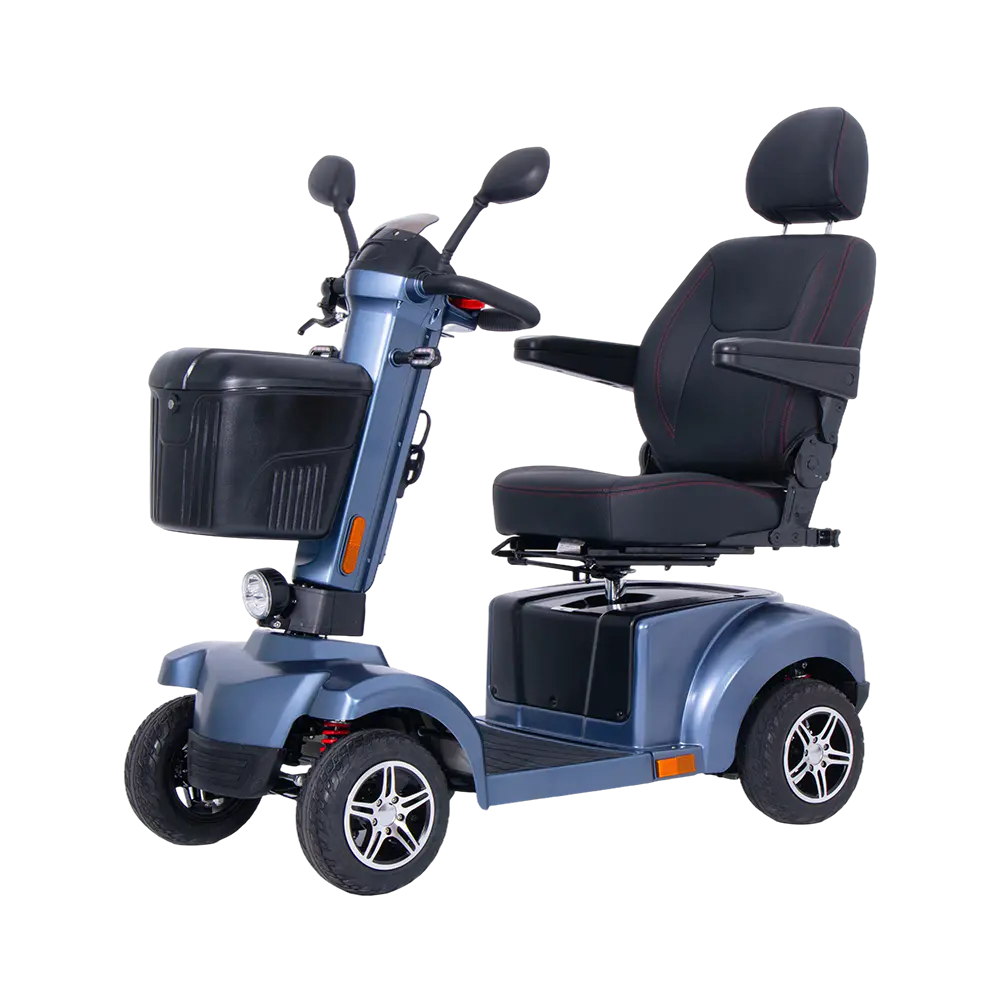
Choosing a Small Lightweight Scooter involves balancing several specifications that affect how the vehicle performs as a complete system. A smaller chassis can make storage and maneuvering easier, but the available space must still accommodate the rider, battery pack, motor, and other essential components.
Battery capacity is one of the main factors influencing this balance. A larger battery may support longer trips between charges, but it can also add weight and affect the vehicle's overall dimensions. Buyers should compare battery voltage and amp-hour ratings alongside stated travel range, charging time, and total vehicle weight. This gives a more useful picture of whether a particular configuration suits short local journeys or more frequent daily use.
The drive system needs similar consideration. Motor output affects how the scooter responds to rider load and changes in terrain, while the controller helps regulate power delivery. Higher wattage alone does not guarantee better suitability. Motor specifications need to be considered together with battery capacity, vehicle weight, wheel arrangement, and the conditions in which the scooter will operate.
Wheel dimensions also influence the way a compact scooter is designed. Wheel diameter affects ground clearance and chassis height, while the steering layout contributes to turning performance. For users navigating shops, residential entrances, and other confined spaces, turning radius can be particularly relevant. However, maneuverability should not be evaluated in isolation from stability, tire characteristics, and the intended riding surface.
Comfort presents another design challenge. A compact frame must provide sufficient seating space, practical handlebar positioning, and room for the rider's feet. Adjustable seating or handlebar arrangements can help accommodate different user needs, depending on the model. Buyers comparing specifications should check the actual dimensions and adjustment options instead of assuming that two scooters with similar exterior measurements offer the same riding position.
Load capacity is equally important. The stated maximum load indicates the intended weight limit, but buyers should also consider how the scooter's motor, tires, braking system, and battery configuration relate to its operating load. A lighter vehicle is not automatically the right choice if its capacity or range does not match the intended application.
For distributors and mobility equipment retailers, comparing these specifications as a group makes model selection more practical. A useful evaluation considers storage requirements, typical journey length, rider fit, terrain, and loading needs together. The right compact scooter is the one whose overall configuration matches its intended role, rather than simply the model with the lowest weight or smallest dimensions.
 Romaian
 English
 Arabic
 French
 Spanish
 Portuguese
 Deutsch
 Turkish
 Dutch
 Italiano
 Russian
 Portuguese (Brazil)
 Greek