


Why Customers Go Quiet: A Practical Look at BizModo’s CRM System
A prospective customer asks for a quotation. Your team sends it, answers a few questions and waits. A week later, nobody knows whether the customer needs more information, has delayed the purchase or has chosen another supplier.
The opportunity remains open, but the conversation has stopped.
For UAE businesses, this is a useful place to examine the sales process. Before spending more on generating enquiries, it makes sense to check what happens to the enquiries already arriving.
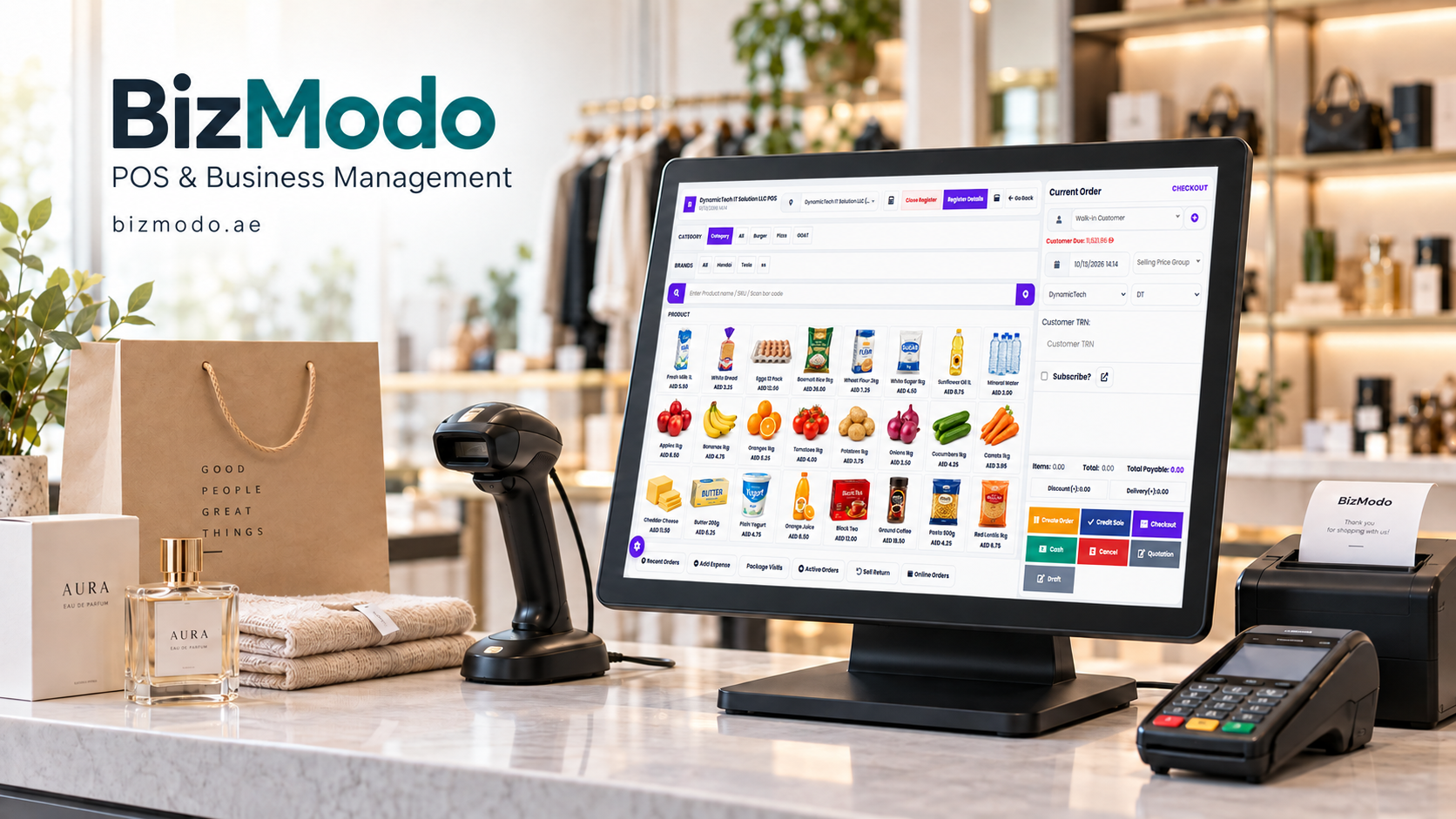
Customer relationship management software can bring structure to that work. BizModo’s CRM System is one option for businesses looking to organise customer information and give their teams a clearer view of ongoing relationships.
A Customer Record Should Explain the Relationship
A name and telephone number tell a salesperson how to reach someone. They do little to explain why that person contacted the business or what should happen next.
Consider a customer requesting equipment for a new office. One employee discusses quantities, another prepares the quotation, and a manager agrees to review delivery arrangements. If each person keeps separate notes, the next conversation may begin with questions the customer has already answered.
A useful customer record should help staff understand:
-
What the customer wants to achieve.
-
Which products or services have been discussed.
-
Who is involved in the buying decision.
-
What concerns remain unresolved.
-
What the business has promised to do next.
This context makes a handover more useful. It also gives employees a starting point for a relevant conversation.
Where BizModo’s CRM System Fits
According to its CRM product page, BizModo’s CRM System centralises customer information, including contact details, purchasing history and preferences. It also supports tracking customer interactions and analysing customer data. These functions give businesses a foundation for maintaining a shared understanding of their customers.
BizModo’s current buyer’s guide additionally describes lead stages and the ability to log calls, emails and meetings against customer records. Businesses evaluating the platform should ask to see these functions demonstrated using their own sales process.
The practical question is straightforward: can an employee open a record and understand what needs attention without asking three colleagues?
That is a more useful starting point than comparing the number of features on a pricing page.
Give Every Follow-Up a Reason
“Just checking in” rarely moves a sales conversation forward on its own. A stronger follow-up addresses something specific.
For example, a customer may be waiting for a delivery estimate before approving an order. Contacting them repeatedly about the quotation misses the actual obstacle. The next action belongs to the employee responsible for confirming delivery.
A simple working rule can help: every active opportunity should have an owner, a next action and a review date.
The action should be clear enough for another employee to understand. “Follow up soon” leaves room for interpretation. “Confirm installation availability before calling the customer on Thursday” gives the team a concrete task.
When evaluating BizModo’s CRM System, businesses can use this rule to assess whether their proposed setup makes responsibilities clear.
Make Customer Handovers Less Repetitive
Imagine a hypothetical commercial cleaning company in Sharjah. A prospective client discusses an office cleaning contract with a salesperson, then calls again while that employee is unavailable.
The colleague answering the call needs more than contact details. They need to know the proposed schedule, the areas included, whether a site visit has taken place and which questions remain open.
A well-maintained record helps that colleague continue the discussion with context.
This is where everyday recording habits matter. Notes should capture decisions, requirements and commitments. Long transcripts of every conversation can make important details harder to find.
A short entry such as “Client requested an evening schedule; operations team to confirm staffing before revised proposal” gives the next employee something useful to work with.
Use Customer History to Improve the Conversation
Personal service starts with remembering relevant details.
A returning business customer may prefer a particular product specification, delivery window or contact method. When those preferences are recorded accurately, employees can prepare more relevant questions and avoid making the customer repeat familiar requirements.
However, previous purchases should guide a conversation rather than determine it. A customer who ordered the same supplies for six months may now have different needs.
The useful approach is to acknowledge the history and check what has changed: “Would you like the same quantities this time, or has your requirement increased?”
That small distinction keeps customer information useful without turning it into an assumption.
Introduce the System Around One Real Workflow
A focused rollout gives a business a clearer way to judge results. Start with one process, such as handling new quotation enquiries.
Agree on the information employees should record, who reviews open opportunities and when records must be updated. Then test the process with a small team.
Review practical questions:
-
Can staff find the latest customer requirement?
-
Is responsibility for the next action clear?
-
Are unresolved questions visible?
-
Can a colleague continue the conversation during an absence?
-
Does updating the record fit naturally into daily work?
These checks reveal whether the system supports the team’s actual responsibilities.
Measure Whether Customer Handling Improves
After introducing BizModo’s CRM System, assess changes against a starting point. Useful measures include the time taken to respond to an enquiry, the number of opportunities without an assigned next action and the proportion of quotations that receive a recorded outcome.
Avoid judging success only by how many records employees create. A large database can still contain incomplete or outdated information.
The stronger test is whether the business can explain what happened to each opportunity and identify what should happen next.
Businesses considering the platform can request a demonstration built around a typical customer enquiry. Following that enquiry through qualification, discussion and the final decision will make the evaluation more meaningful.
Customers should not have to manage a supplier’s internal communication. A clear customer record and an accountable follow-up process help the business take responsibility for keeping the conversation moving.
 Portuguese (Brazil)
 English
 Arabic
 French
 Spanish
 Portuguese
 Deutsch
 Turkish
 Dutch
 Italiano
 Russian
 Romaian
 Greek